

Extracting 3D models from Overwatch is an intriguing endeavor, particularly for fans, content creators, and designers who seek creative inspiration. Developed by Blizzard Entertainment, Overwatch employs unique file formats and a custom engine, requiring specific tools, technical expertise, and a basic understanding of copyright implications for the extraction process. Generally, this involves utilizing third-party extraction applications such as CascView to access the game's data archives (.CAS and .IDX files). Once the desired models are located, tools like OverTool and Owmdl assist in extracting and converting these models into compatible OBJ or FBX formats for popular 3D modeling applications.
After extraction, it's common to need 3D model viewers such as Blender or Noesis to accurately import and render textures, skeletal structures, and animations. Many users refine these models further for personal projects or as sources of creative inspiration, ensuring they adhere to Blizzard’s guidelines for non-commercial use. If you're unfamiliar with this process, online forums and communities can offer helpful tutorials and troubleshooting resources.
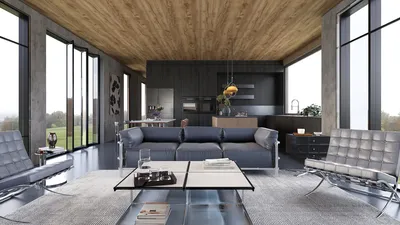
As a designer, I frequently delve into 3D game assets to kickstart my concept development. High-quality character and environment models from games can serve as a powerful springboard for brainstorming and inspire innovative spatial designs. If you're looking to utilize these extracted 3D models as a foundation for interior layouts or spatial design, consider leveraging advanced tools like Homestyler, which allow for the recreation and reimagining of game-inspired settings with remarkable accuracy and creativity.
Tips 1:
When extracting 3D models from video games, it’s crucial to honor intellectual property rights—these models should be used exclusively for educational or personal, non-commercial pursuits. You can elevate your design outcomes by importing and experimenting with various lighting conditions, materials, and environmental configurations within high-quality 3D software. Remember, combining virtual inspirations with practical design tools like Homestyler will ensure your next project is both technically sound and artistically compelling.
FAQ
Q: Can Overwatch 3D models be utilized for commercial projects?
A: No, assets from Overwatch belong to Blizzard Entertainment and their use is restricted to personal or educational purposes, prohibiting any commercial applications.
Q: What file formats are associated with Overwatch models?
A: While Overwatch employs proprietary formats, community tools can convert these into industry-standard formats such as OBJ or FBX for wider compatibility.
Q: Which tools are typically used for extracting Overwatch 3D models?
A: Commonly used tools include CascView, OverTool, and Owmdl, which are often paired with Blender or Noesis for viewing and modifying the extracted models.
Q: Is it feasible to extract textures and animations from Overwatch as well?
A: Yes, various community tools can successfully extract models, along with textures and skeletal animations when set up correctly.
Q: How can 3D models from games be incorporated into interior design projects?
A: Designers can draw inspiration from game assets, using them either as references or integrating them into conceptual renders, especially when pairing with advanced 3D floor planning tools like Homestyler for visualization and experimentation.

Modway EEI-6401-IVO Oasis Upholstered Fabric Sofa,
HIFIT Sofa Couches, 79” Mid-Century Modern Couch,

Yaheetech 56.5" W Modern Loveseat 2 Seater Sofa Lu
Homestyler is an outstanding online platform for anyone looking to design their home effortlessly. With its user-friendly design tool, stunning 3D renderings, a plethora of design projects, and helpful video tutorials, you can unleash your creativity and transform your space beautifully—all from the comfort of your home!
Design jetzt kostenlos
































