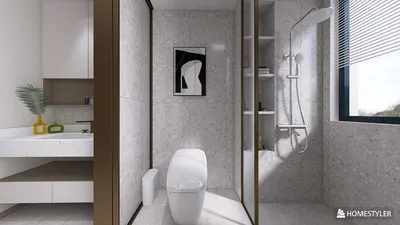


Extracting 3D models from games with the Dolphin Emulator, renowned for playing Nintendo GameCube and Wii titles, has become a popular activity among designers, modders, and passionate hobbyists. This practice allows individuals to gather in-game assets for a range of purposes, including educational projects, animation practice, or even for creating detailed room visualization mockups. Below is a comprehensive guide on how to safely and legally approach this process, taking into account both the technical aspects and the design considerations involved.
As a designer, I frequently observe enthusiasts integrating ripped 3D models into their design projects or renovation ideas. Utilizing an online 3D floor planner can significantly enhance this process, empowering users to visualize space arrangements using custom assets. It’s crucial to consider how these imported assets will enhance your interior designs rather than merely existing as isolated models. By incorporating distinctive 3D elements, you add character and realism to your virtual environments, provided that ethical usage standards are upheld.
Tips 1:
If you are faced with black screens or missing textures during the extraction process, experimenting with different versions of Dolphin or adjusting your graphics backend settings might help. Regularly updating your tools and engaging with fan forums or Discord channels will provide valuable platform-specific insights. Keep in mind that the extent of model extraction and subsequent cleanup required can vary depending on the complexity of the in-game scenes you are working with.
FAQ
Q: Is it legal to extract 3D models from the Dolphin Emulator?
A: Generally, extracting models for personal, educational, or non-commercial purposes from games you own is accepted within fan communities. However, redistributing these models or using them for commercial purposes is often prohibited by copyright laws.
Q: What file formats do these tools typically export the extracted models in?
A: Most extraction tools will export models in .obj or .3ds formats, while textures are usually available in .png or .bmp formats.
Q: Can I import ripped models effortlessly into popular interior design software?
A: Yes, you can import .obj files into various 3D design or interior design applications, but some tools may require additional cleanup for accurate texture mapping and effective mesh organization.
Q: Why do my extracted models appear cluttered or incomplete?
A: Scene extraction tools capture all visible elements, often leading to overlapping meshes, incorrect scaling, or missing components. Extensive post-processing in a 3D editing program is frequently necessary to achieve a polished result.
Q: Are there alternatives to Ninja Ripper and 3D Ripper DX when using Dolphin?
A: While these tools are widely regarded as the primary options, you may find some custom scripts or updated tools shared in community forums. Always check for recent user feedback, as compatibility can differ.
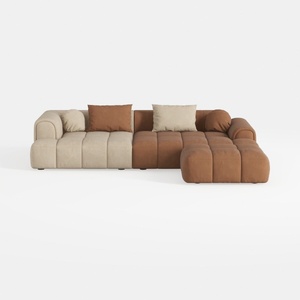
Modern Velvet Sectional Sofa, U Shape Minimalist M

Japanese Floor TableSmall Coffee Table & Tea Table
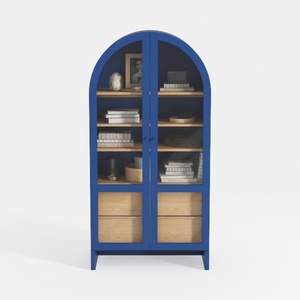
Arched Kitchen Pantry Cabinet with Glass Doors
Homestyler is your go-to online home design platform! With its user-friendly design tool, stunning 3D renderings, and a wealth of inspiring design projects and DIY tutorials, transforming your space has never been easier. Unleash your creativity and design your dream home today!
Diseño ahora GRATIS
































