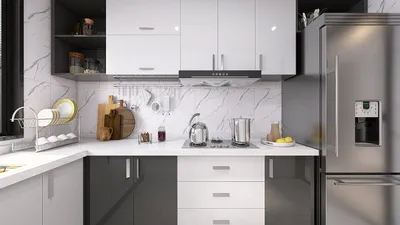


In a past project, I transformed a compact guest bathroom with a metallic wall treatment to fulfill the client's desire for an opulent ambiance. However, under intense ceiling lighting, the effect turned out to be less luxurious and more reminiscent of a tiny disco ball — a valuable lesson learned: always test both the gloss and lighting before proceeding. This experience demonstrated how metallic finishes can add a touch of magic when carefully applied, especially in small spaces where each gleam has significance. For effective visual planning, I frequently guide clients towards impressive 3D renderings that showcase different finishes, helping to avoid any unforeseen outcomes.
1. Create depth and drama with a single accent wall
I often recommend using a solitary metallic accent wall behind a bed or sofa; this approach conveys depth without saturating the entire room. One of the benefits is achieving dramatic impact at a minimal cost, though the challenge lies in selecting the appropriate sheen — too reflective, and the outlines of the furniture can get obscured.
save pin
2. Incorporate metallic trims instead of full wall coverage
Rather than painting entire spaces, applying metallic trims to niches, door frames, or the edges of shelves provides a designer flair with lower commitment. This technique is budget-friendly and easily reversible, but requires meticulous taping and touch-ups since metallic finishes can accentuate any irregular lines.
save pin
3. Envelop the room in a warm glow with metallic ceilings
Adding a subtle metallic shade to a small ceiling can promote a cozy, luxurious atmosphere; tones like satin bronze or champagne deliver fantastic results. If you wish to experiment with layouts before finalizing any decisions, consider using a planner that illustrates realistic finishes. I often direct clients to kitchen layout inspiration pages for comparable planning ideas, even if kitchens aren’t the focus — seeing finishes in context can significantly aid in visualizing scale.
save pin
4. Combine matte and metallic for striking texture contrast
Juxtaposing matte base walls with metallic panels or stripes can produce a modern and tactile contrast. The benefit is achieving a curated, upscale aesthetic with reduced metallic paint application; however, it may involve additional edging tasks and occasionally necessitate a second coat for uniform metal effects.
save pin
5. Enhance small kitchens and bathrooms with metallic backsplashes and cabinetry accents
In small kitchens and bathrooms, metallic splashbacks or cabinet toe-kicks can make a significant impact — even a subtle shimmer is effective. For more extensive remodeling projects, I explore AI-driven design solutions with clients to create palettes that harmonize metals with countertop choices; this expedites the decision-making process, although it's crucial to test actual material samples prior to placing orders.
save pin
FAQ
Q1: Is it appropriate to use metallic interior paint in small rooms?
A: Absolutely — metallic finishes can enhance small spaces, lending them richness and depth, especially when applied modestly as accents. It's recommended to test samples in the actual lighting conditions to prevent overwhelming the area.
Q2: Which sheen is most effective with metallic paints?
A: Lower-sheen metallics, such as satin or pearl, typically appear more subtle and forgiving compared to high-gloss options that reflect everything. The choice of sheen should reflect the lighting levels in the space: brightly lit rooms can accommodate higher reflectivity more effectively.
Q3: How can I avoid brush marks when using metallic paint?
A: Employ a high-quality roller or spray technique while adhering to the manufacturer's thinning guidelines. Since metallic particles layer differently, achieving thin, even coats is crucial to minimize streaking.
Q4: Are metallic paints robust enough for kitchens and bathrooms?
A: Many metallic paints are designed for interior use and perform well when sealed with an appropriate clear coat or varnish. For moist areas, choose formulas rated for moisture and ease of cleaning.
Q5: Will using metallic paint require more maintenance?
A: Slightly — metallic surfaces might exhibit fingerprints and micro-scratches more readily than matte finishes, so it's wise to plan for regular gentle cleaning and touch-ups. Adding a protective topcoat can help mitigate everyday wear.
Q6: Are metallic paints safe for indoor use in terms of VOCs?
A: Opt for low-VOC or water-based metallic formulations if indoor air quality is a concern; the EPA provides guidelines on indoor pollutants and VOCs at https://www.epa.gov/indoor-air-quality-iaq/volatile-organic-compounds-impact-indoor-air-quality. Proper ventilation during application is also key.
Q7: How should I adjust my budget for metallic finishes?
A: Anticipate that metallic paints and the required topcoats will be pricier than standard paint options — budget around 20–50% more for material costs and potential specialized application expenses. Sampling and patch testing can incur additional small costs but save money on mistakes in the long run.
Q8: Is it possible to repaint over metallic walls later?
A: Definitely — metallic finishes can be covered with standard primers and paints; however, a primer might be necessary for uniform coverage. Treat metallics like any specialized finish: plan transitions carefully to ensure even coverage without patchiness.
save pin
Homestyler is your go-to online home design platform! With its easy-to-use design tool, stunning 3D renderings, and a wealth of DIY video tutorials, you can effortlessly create and visualize your dream spaces. Transform your home design ideas into reality today!
Progetta ora GRATIS
































