

I once came close to ruining a small studio by painting every wall in a dark chocolate brown shade because the client desired a "cozy cocoon." The result was more cave-like than inviting at midday. This experience taught me the importance of visualizing any space in 3D before starting the painting process, experimenting with undertones, and valuing natural light prior to making any final decisions with a brush.
1. Cozy Layers with Light Wood
I enjoy combining warm mid-brown walls with pale oak flooring and rattan accents; it creates a welcoming embrace without confining the space. The benefit is an instantly cozy atmosphere that is budget-friendly; however, it’s essential to maintain contrast—consider incorporating white trims or shiny tile accents to prevent a flat appearance.
save pin
2. Using Brown as a Highlight, Not a Main Color
In a narrow hallway, I painted one feature wall in walnut brown, which produced a striking yet balanced effect—depth without heaviness. This technique is particularly advantageous in rental properties since it is easily reversible. However, it's important to be mindful of the gloss levels: satin finishes tend to appear warmer and camouflage marks better than flat browns.
save pin
3. Brown with Pastel Accents for a Modern Retro Feel
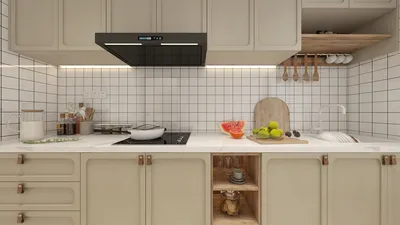
Looking for a lively, modern-retro style? Pair chocolate or cocoa walls with mint, soft peach, or buttery yellow highlights. I once implemented this combination in a small galley kitchen; the results were uplifting, making the mornings brighter and appliances stand out. If you're interested, check out a particular case study for a small kitchen that plays with unexpected color contrasts.
save pin
4. Dark Brown Ceilings to Lower High Spaces
In a loft with high ceilings, I chose to paint the soffit and a section of the ceiling deep brown, making the area feel more intentional and grounded. While this approach can become overwhelming if overused, pairing the brown with well-placed lighting and lighter walls helps maintain a balanced look. A great tip for staying within budget is to test a paint swatch at various times throughout the day before fully committing to the ceiling.
save pin
5. Textured Brown Finishes for Added Interest
Brown works particularly well with various textures—limewash, burnt umber washes, or suede finishes can introduce depth that a single-color paint cannot achieve. I often create a textured nook with brown paint and layered textiles; although this can be a bit pricier and requires more skill, the tactile warmth it offers is highly rewarding. When it comes to visualizing these finishes, I rely heavily on realistic 3D renders using tools like Homestyler to understand how light and textures will interact.
save pin
FAQ
Q1: Is using brown paint effective in small spaces?
I frequently apply brown in small areas to foster a sense of coziness; however, it is crucial to balance it with lighter components and sufficient lighting to avoid feeling claustrophobic.
Q2: What undertones should I consider when selecting brown paint?
Examine for red, yellow, or gray undertones in various lighting conditions; warmer undertones often convey coziness, while grayish browns can lend a modern and subdued aesthetic.
Q3: Can brown make a room feel smaller?
Yes, deep or matte browns can absorb light, potentially making a space appear smaller. It's best to use them strategically on a single wall, ceiling, or in conjunction with reflective surfaces.
Q4: Which colors complement brown most effectively?
Colors such as ivory, soft blues, muted greens, and pastels can provide contrast and elevate the presence of browns. Metallics like brass or antique gold can contribute a luxurious touch without overwhelming the overall color palette.
Q5: How can I determine the right finish for my brown paint?
Satin and eggshell finishes are forgiving and easy to maintain in living areas, while flat or matte is suited for textured feature walls. Be cautious with high gloss, as it can emphasize imperfections; sparing use is recommended.
Q6: Are there cost-effective methods for revamping a brown room?
Definitely! You can refresh the look by swapping out textiles, adding a large mirror to increase light, or simply repainting a single wall instead of the entire room.
Q7: What’s the best way to test brown paint at home?
Apply 2x2ft swatches on different walls and observe them over several days in both the morning and evening light; colors can shift significantly with natural light and adjacent finishes. For technical guidance on paint properties, I recommend consulting resources from Sherwin-Williams.
Q8: Is it possible to match brown with wood tones?
Absolutely! Coordinating the room's brown paint with existing wood tones can create a cohesive design, but aim for a contrast in temperature (warm versus cool) to avoid monotony within the space.
save pin
Homestyler is your go-to online home design platform! With its user-friendly design tool, stunning 3D renderings, and a wealth of DIY video tutorials, transforming your space has never been easier. Explore endless design projects and unleash your creativity today!
Design Now for FREE
































