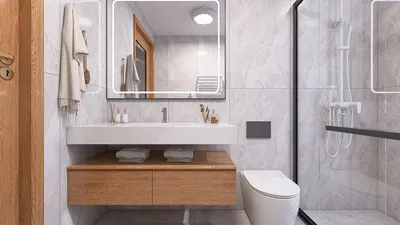


Once, a client was determined to have her small guest bathroom painted entirely in a vibrant teal—which included the walls, ceiling, and even the cabinet interiors—aiming for an ‘ocean vibes’ aesthetic. The outcome was visually stunning in photographs; however, she often remarked that at night it felt like being trapped inside a jewel. This experience taught me a crucial lesson about the power of color continuity: using the same color for both the ceiling and the walls can have transformative effects—either creating a stylish atmosphere or making the space sense of confinement depending on light, texture, and fixtures. Therefore, it is essential to visualize the final appearance before making any commitments, particularly in tight bathrooms. Incorporating tools like Homestyler can help make this visualization process more effective.
1. Create a seamless monochrome effect to soften edges
By painting both the ceiling and walls in a same mid-tone hue, you create an illusion of a single, continuous volume. The benefit of this approach is that it fosters a serene, spa-like ambience; however, if the chosen color is too dark without sufficient lighting, it may result in a cramped feel. One of my tips is to opt for lighter flooring or reflective tiles to draw the eye down and add a sense of depth to the space.
save pin
2. Choose a moisture-friendly matte finish for an inviting look
A flat or low-sheen paint can effectively conceal imperfections, giving a cozy and boutique feel when the ceiling color matches the walls. The downside is that some matte finishes may be more difficult to clean in humid conditions, so I suggest selecting a high-quality, washable matte specifically designed for bathrooms, accompanied by a robust exhaust fan. A smart budget strategy is to first test a small patch rather than repainting the entire area twice.
save pin
3. Embrace dark drama with different lighting
In a recent renovation where I painted both the walls and ceiling a deep charcoal, the room exuded luxury instead of feeling cramped. This was achieved by incorporating layered lighting and warm metallic fixtures. Borrowing ideas from open-plan designs—similar to some kitchen layouts—helps in deciding where to place light sources and mirrors, ensuring that darker colors evoke a sense of intimacy rather than oppression. The challenge lies in making sure that task lighting is bright and correctly positioned around the vanity.
save pin
4. Match tile colors on the ceiling for continuity
If your bathroom features a dominant tile color, painting the ceiling to match that tile (or grout accents) can eliminate awkward transitions and create an impression of height. This technique works exceptionally well in wet rooms, though caution is needed in areas prone to mold; mildew-resistant paint and proper sealing should be used where tiles meet the ceiling. A budget-friendly approach that I’ve successfully executed is painting only the ceiling and the upper third of the walls the same color to achieve a similar effect without the need for extensive retiling.
save pin
5. Achieve a boutique hotel feel with a matching ceiling and eye-catching fixtures
Having a ceiling painted in the same hue as the walls combined with contrasting metallic fixtures and warm LED strips creates an upscale ambiance even in a compact bathroom measuring 3 to 4 square meters. This upgrade is not only low-cost but also highly impactful. However, it can be unforgiving if the plumbing fixtures appear cheap, so it’s wise to allocate a bit of budget to enhance taps and lighting. To test combinations before making a purchase, I often create quick digital mockups and compare finishes in software like Homestyler to avoid costly mistakes.
save pin
Practical onsite tips
Lighting is more crucial than color: always plan your ceiling lights and mirror illumination before finalizing the paint choice. Proper ventilation is essential—if there’s a risk of mold, consider investing in better fans; paint selection alone won’t suffice. Small, gradual tests and mockups can save both money and emotional distress.
save pin
Frequently Asked Questions (FAQ)
1. Will painting the ceiling the same color as the walls make my small bathroom feel smaller?
Not necessarily—using mid-tone or lighter hues, reflective surfaces, and adequate lighting can create a continuous feel, making the space appear larger. Darker shades require careful lighting management but can provide a cozy depth without feeling closed off.
2. What type of paint finish should I select when matching ceilings and walls?
I recommend using a washable matte or low-sheen bathroom-grade paint for the walls, with a slightly glossier finish for the ceiling to facilitate easier cleaning and light reflection. Always opt for paints designated for high humidity environments or bathrooms.
3. Are there concerns about moisture or mold with matching ceilings?
Yes—humidity can lead to mold regardless of the wall colors used. It's vital to apply mildew-resistant paints and ensure proper ventilation, potentially considering a dehumidifying fan for especially small and enclosed bathrooms.
4. How can I test a color to avoid an oppressive ceiling feel?
Paint a large 1m by 1m sample that wraps from the wall to the ceiling, and observe it at various times during the day as well as under different artificial lighting. Smaller paint samples often do not showcase the true effect in confined areas.
5. Is it possible to use dark colors on both walls and ceilings in a rental or budget bathroom?
Yes, but keep in mind that dark colors can show dust more easily and require stronger lighting; selecting durable, washable paints and planning for touch-ups is advisable. If you're on a tight budget, painting just the ceiling and upper walls can mimic the desired effect.
6. Are special primers or undercoats needed when painting ceilings the same color?
If covering stains or shifting from a glossy finish, use a stain-blocking primer. For new drywall, a standard primer will suffice; in humid areas, always select primers and paints rated for bathroom use.
7. Will matching the ceiling to the walls impact the property's resale value?
Taste is subjective—some buyers may appreciate cohesive, bold choices, while others might favor neutral contrasts. If resale is a concern, sticking to classic neutrals or reversible options like colors that can easily be repainted is wise.
8. How crucial is ventilation when using darker or same-colored ceilings?
Very important—adequate ventilation mitigates moisture issues and prolongs the paint's durability. For detailed information regarding indoor air quality and ventilation standards, refer to the EPA’s resources on the matter (https://www.epa.gov/indoor-air-quality-iaq).
save pin
Discover your design potential with Homestyler! This user-friendly online platform offers an intuitive design tool, stunning 3D renderings, and a wealth of inspiring design projects. Plus, with DIY video tutorials at your fingertips, transforming your space has never been easier. Start creating today!
Дизайн сейчас бесплатно
































