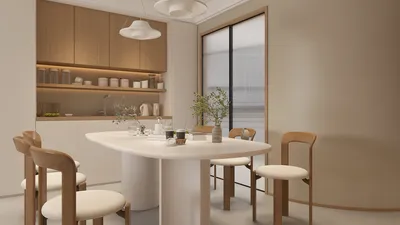


I had a memorable experience when I painted a client's red brick house white, inspired by the charm of coastal cottages. However, halfway through the project, it became apparent that the trim had a different undertone, causing the overall look to feel slightly misaligned. This taught me the vital importance of testing small areas and creating realistic color mockups before making a final decision. Even in modest spaces, small test patches can lead to significant creative outcomes.
1. Embrace a monochrome palette with textures
I’m a fan of a single-tone exterior, as it provides a clean and contemporary aesthetic. When it comes to brick, opting for one color while varying the finishes (like using matte for the body and satin for the trim) enhances depth without creating visual chaos. The advantage of this choice is a cohesive, low-maintenance facade; however, be aware that any imperfections will be more noticeable, making preparatory work like cleaning and minor repointing essential.
save pin
2. Accentuate mortar lines for character
Painting only the brick surfaces and leaving the mortar in a contrasting color can really highlight the structure’s pattern—it's akin to showcasing the brick's rhythm. This option is budget-friendly since you can accomplish it with a precision brush, though it may take time to achieve clean lines; I suggest using painter's tape and completing a test strip first to ensure satisfaction.
save pin
3. Implement a two-tone scheme for visual equilibrium
Houses with a two-tone brick facade convey a sense of balance, typically featuring a darker hue on the lower portion and a lighter shade above, or darker tones around windows and doors. This design approach visually reduces the mass of the structure and elegantly frames architectural attributes. Clients often express concerns about it appearing overly busy, but a carefully selected color palette ensures a refined look; be sure to determine the precise transition height and keep future landscaping considerations in mind.
save pin
4. Faux limewash for a timeless, aged appearance
If you desire that rustic, European charm, a limewash or diluted acrylic wash allows the underlying brick texture to shine through while altering its color. This breathable option suits older masonry well; however, be prepared for potential periodic updates as it doesn’t offer the durability of traditional paint. To set accurate expectations, I often utilize a quick design preview feature like Homestyler, allowing clients to visualize the subtle translucency prior to making a commitment.
save pin
5. Harmonize trim and landscaping hues
Always consider the brick in context—plan the colors of trim, doors, and landscaping in unison. A vibrant door can serve as a striking accent against neutral-painted brick. This strategy not only enhances curb appeal on a reasonable budget but may also require some coordination among elements before the project kicks off; sampling materials and making precise site measurements are essential steps for effective mockups.
save pin
FAQ
Q: Can I paint outdoor brick myself?
I often encourage DIY enthusiasts to tackle small areas, but remember that thorough cleaning, priming with a masonry primer, and using exterior-grade paint are critical to prevent peeling.
Q: What’s the best season to paint exterior brick?
The optimal time frame is from late spring to early fall—dry and moderate temperatures are key for proper paint curing, minimizing the risk of moisture-related damages.
Q: Is it necessary to use special paint for brick?
Absolutely, selecting paint specifically formulated for masonry or breathable acrylic latex is essential to allow moisture to escape and avoid blistering.
Q: How long can I expect painted brick to last?
With the right preparation and quality paint, you can anticipate a lifespan of 8 to 15 years before significant maintenance is required; however, limewash and washes necessitate more frequent updates.
Q: Should mortar be painted as well?
While it is possible to paint mortar, be cautious as it may trap moisture if not executed with breathable products; consulting a mason is advisable if the mortar shows signs of damage.
Q: What is the best method to test color accurately?
Always apply sizable test patches and evaluate them at various times throughout the day, as small swatches can be misleading due to variations in texture and light affecting perceived color.
Q: Is there any official guidance on painting masonry?
Sherwin-Williams provides comprehensive preparation and product guidance for painting brick; for detailed technical references, check their recommendations at https://www.sherwin-williams.com.
Q: Can painting brick enhance energy efficiency?
Lighter colors can reflect heat and may slightly lower surface temperatures, but paint alone won’t have a significant impact on insulation; combining paint choices with insulation upgrades will yield real benefits.
save pin
Looking to transform your space? Homestyler is your go-to online home design platform! With its user-friendly design tool, stunning 3D renderings, diverse design projects, and helpful DIY video tutorials, you can effortlessly create and visualize your dream home. Start designing today!
Design Now for FREE
































