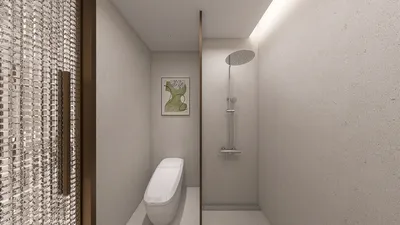


In the past, I accepted a project to paint a living-room mural that the client described as 'subtle'—which turned out to mean strikingly large. This experience taught me valuable lessons about scale, sightlines, and how a small sofa can make an expansive mural feel overwhelming. To effectively foresee how a mural will look in a confined area, it's beneficial to create a room mockup before committing to any paint colors. Using tools like Homestyler can facilitate this planning phase.
1. Emphasize One Wall While Keeping Others Neutral
I enjoy placing a bold statement mural on the longest wall to inject some drama into the room without oversaturating the space. The benefit is evident: you can achieve the impact of a large artwork while sparing yourself the hassle of repainting the entire room. However, it's crucial to select colors that harmonize with your existing furnishings.
Practical advice: choose two dominant colors for the mural and draw smaller accent tones from your cushions or upholstery. This approach ensures everything appears intentional. In a previous rental bedroom project, I implemented a vibrant mural alongside neutral bedding, and the result was a significant wow factor achieved with a limited budget and effort.
save pin
2. Leverage Murals to Enhance Odd Layouts
Certain rooms may feature awkward recesses or short walls that require thoughtful design. A mural that visually elongates a corner or simulates a faux window can deceive the eye and enhance the room’s flow. Although this is an intelligent solution, ensure the perspective appears convincing to avoid a forced look.
As a guideline: always assess the scale at eye level and take several steps back. When designating spaces, combining a mural with a rug or varied lighting can make the design feel more intentional rather than mere decoration.
save pin
3. Utilize Patterned Murals in Compact Environments
In petite areas such as a powder room or narrow hallways, I often suggest opting for a repeating patterned mural instead of a depicted scene. Patterns can introduce texture and depth, preventing the eye from fixating on a singular focal point – in fact, they can create the illusion of larger spaces. For planning perspective and spacing, I occasionally overlay the design onto a visual floor layout, ensuring installations and fixtures do not disrupt the pattern.
It's worth noting that patterns can become busy. I typically restrict the palette to two or three hues and test color samples at different times throughout the day to see how light impacts the overall feel.
save pin
4. Combine Painted Murals With Removable Features
One of my preferred strategies is to create a simplified mural and complement it with removable decals or framed artwork for seasonal updates. This setup is adaptable and suitable for renters—providing a permanent backdrop where desired while allowing flexibility elsewhere. The trade-off is that it requires a bit more planning to ensure the removable items are correctly positioned without damaging the painted surfaces.
Budget considerations: decals are affordable and a fantastic way to test ideas before committing to a permanent mural. I previously used this strategy to assist a client in gauging color intensity over a three-month period before finalizing the mural.
save pin
5. Functional Murals in Kitchens and Bathrooms
Murals can serve functional purposes while also being visually appealing. Consider a splashback-inspired mural for your kitchen or a moisture-resistant one for your bathroom. The right sealants and tile-safe paints can make this achievable, but be aware that moisture and cleaning requirements complicate matters compared to other living spaces. When planning for a kitchen mural, I often create a layout mockup to ensure adequate space around counters and appliances.
If you're working with a tight budget, consider a small, durable mural above prep areas while keeping maintenance-heavy zones bare. I previously executed this strategy for a client desiring a coastal scene above their stove—we applied strong sealants and avoided direct splatter areas.
save pin
FAQ
Q1: Which paints are ideal for wall murals?
For interior murals, high-quality latex or acrylic paints are your best bet; they dry quickly and are amenable to touch-ups. In kitchens and bathrooms, choose paints designed for high humidity, complemented with a protective topcoat.
Q2: How can I select colors that remain timeless?
Opt for a neutral base accompanied by one or two accent colors aligned with current trends; this strategy grounds the mural and facilitates future refreshes. Testing swatches directly on the wall can reveal how colors perform at various times of day.
Q3: Is it feasible to paint a mural in a rental?
Absolutely—just consult your landlord beforehand and think about using removable panels or decals if approval is a challenge. Another alternative is to use a painted canvas mural that hangs like artwork and can be taken with you when you relocate.
Q4: What budget should I expect for this project?
Budget ranges vary: a small patterned mural could cost less than $200 for DIY materials, while custom hand-painted works may run into thousands if you hire a professional. Don't forget to factor in costs for sealants and scaffolding for larger or higher walls.
Q5: Can murals negatively impact indoor air quality?
Certain paints release VOCs, particularly solvent-based types. To maintain safer indoor air, select low-VOC or zero-VOC paints and ensure adequate ventilation during and after painting. According to the U.S. EPA, considering VOC levels can help mitigate indoor air issues.
Q6: What is the typical duration for completing a mural?
Simple patterned murals can often be completed within a weekend by DIY enthusiasts; however, intricate scenes may very well take several days to weeks, depending on their size and complexity. It's advisable to account for extra time for primer and drying between paint layers.
Q7: Do murals diminish resale value?
Murals that appeal to specific tastes can be divisive, but a well-executed mural in neutral tones can enhance character and potentially serve as a selling feature. If concerns arise, consider removable options or restrict the mural to a single wall.
Q8: How can I visualize mural ideas prior to execution?
Creating mockups and utilizing 3D visualizations can provide invaluable insights into scale, color, and placement before making any commitment. Employ straightforward digital mockups or engage a designer to bring your concept to life, thus avoiding costly mistakes.
save pin
Looking to transform your space? Homestyler is your go-to online home design platform! With its user-friendly design tool, stunning 3D renderings, and a wealth of DIY video tutorials, you can effortlessly create and visualize your dream home. Start designing today!
Diseño ahora GRATIS
































