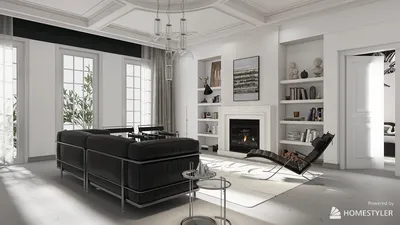


In contemporary interior design, grey is a dominant theme, and as a designer, I’ve discovered that decorating grey bedrooms can result in either a cold, impersonal atmosphere or a warm, inviting space depending on your choices. This is particularly true in small areas, which respond well to thoughtful design. I have successfully transformed many compact master bedrooms into tranquil sanctuaries, and I'm convinced that even small spaces can inspire significant creativity. In this article, I will share 10 tried-and-true decorating concepts for grey bedrooms, combining personal anecdotes, actionable advice, and expert insights to assist you in your next makeover with the help of tools like Homestyler to visualize changes.
1. Incorporate Warm Undertones Using Wood and Textiles
My Experience: Early in my career, I painted a small urban bedroom a cool dove grey. Although it looked stylish for photography, the homeowners felt it lacked warmth. We introduced a walnut headboard, cozy woven throws, and a sisal rug, instantly making the room feel more inviting. This taught me that incorporating warm textures is vital when working with grey.
Pros: Adding wooden furnishings and warm textiles is one of the most dependable grey bedroom decor strategies to enrich depth and comfort. The combination of warm wood tones and layered fabrics effectively neutralizes any chill from the grey paint, crafting a snug ambiance.
Cons: Real wood can be on the pricier side, and woven materials tend to attract dust—this requires a bit more maintenance. For those on a budget, I often say that a well-placed throw blanket can be a designer's secret weapon.
Tip: Select mid-toned woods like walnut or teak rather than very light or very dark finishes. Replacing a duvet with a textured quilt can enhance warmth without significant expense.
save pin
2. Introduce Contrast with Darker Accent Colors
My Experience: I enjoy incorporating a dramatic navy or forest green accent wall in grey bedrooms. For a renovation project where a client sought drama without feeling cramped, a charcoal wall paired with navy bedding achieved a serene yet sophisticated effect.
Pros: Dark accent colors serve as potent visual anchors among small grey bedroom decorating ideas, enhancing depth perception. A vivid headboard or contrasting trim combined with lighter greys draws attention and creates a purposeful design.
Cons: Bold colors can feel daunting if you're someone who likes to frequently update your decor. While paint is relatively inexpensive, redecorating with a different accent can be time-consuming—so opt for shades you'll appreciate for an extended period.
Tip: Start by testing large peel-and-stick swatches. If you're renting, think of a large fabric headboard or removable wallpaper for an impactful design without long-term commitment.
save pin
3. Layer Textures with Velvet, Linen, and Bouclé
My Experience: During a winter project, I replaced glossy satin cushions with bouclé and linen, instantly making the space feel cozier. I've noted texture swaps for grey bedrooms—velvet lends glamour, linen introduces a casual layer, and bouclé adds tactile variety.
Pros: Layering textures is essential for creating a rich atmosphere in grey bedroom decor, as different materials reflect light in varied ways, making the room more dynamic and visually interesting.
Cons: An abundance of high-maintenance fabrics can increase upkeep requirements. Velvet can show wear, and fragile linens require gentle washing—it's vital to balance tactile luxury with practicality for everyday life.
Tip: Maintain a neutral base with grey bedding and rotate in textured cushions and a standout throw seasonally. This method is both budget-friendly and stylish.
save pin
4. Harness Natural Light and Reflective Surfaces
My Experience: In a north-facing apartment, the owner wanted the grey hues to appear bright rather than dreary. We maximized daylight with sheer curtains and placed a gold-framed mirror across from the window, letting the grey tones stand out rather than fade into dullness.
Pros: Maximizing natural light is key in small grey bedroom decorating since grey thrives in well-lit environments. Mirrors and reflective elements like glass bedside lamps enhance daylight and enrich grey palettes, giving a luminous feel.
Cons: Mirrors can amplify clutter if the room isn’t tidy, so be strategic with their placement. Light-enhancing approaches might require careful curtain selection to ensure privacy.
Tip: If privacy is a concern, consider layered window treatments—sheers for daytime illumination and heavier curtains for night. A medium-sized mirror opposite a window tends to provide optimal light bounce in smaller rooms. For visualizing spatial arrangements that optimize light, utilizing platforms like Homestyler can be beneficial.
save pin
5. Add Metallic Accents for a Touch of Glamour
My Experience: I appreciate subtle metallic details—like brass lamps, a chrome-framed mirror, or a copper vase. One modern grey bedroom I designed transformed with a single brass rail shelf, dramatically changing its mood with a smart, small investment.
Pros: Metallic accents can significantly elevate grey bedroom decor by introducing shimmer and sophistication without substantial expense. They work particularly well with warm greys and tan leathers.
Cons: Overloading on metallics may create a showroom ambiance. I typically advise sticking to one metal family to avoid a look of indecision that can arise from mixing numerous metals.
Tip: Use metallic touches sparingly—elements like lamp bases, small picture frames, and decorative hooks suffice. For a contemporary edge, combine warm brass with matte black fixtures for stylish contrast.
save pin
6. Select the Right Shade of Grey—Undertones Matter
My Experience: I learned early on that not all greys work the same. I once suggested a trendy greige to a client who preferred cool shades; under their warm lighting, the paint appeared beige, leading to disappointment. Since then, I've made it a practice to test swatches under the actual lighting of the room.
Pros: Focusing on grey undertones ranks as the top advice in grey bedroom decorating. Cool greys with blue tones complement minimalist, contemporary styles, while greiges or warm greys blend beautifully with wood elements and leather for a snug ambiance.
Cons: Paint undertones can be subtle and often only become apparent in situ. This testing process may be time-consuming, but it’s less costly than repainting later on.
Tip: Paint three large swatches to observe them in morning, midday, and evening light. For a reliable guide, manufacturers like Sherwin-Williams and Benjamin Moore offer undertone resources and sample pots that justify a small investment.
save pin
7. Integrate Pattern Thoughtfully
My Experience: I adore a single patterned element, such as a geometric throw or floral cushion, to anchor a grey bedroom. For a client who treasured vintage scarves, I designed a gallery wall above the bed with framed fabrics against a neutral grey backdrop—the outcome was both personal and curated.
Pros: Patterns provide personality to neutral grey bedrooms and are amongst the most adaptable grey bedroom decorating ideas. They can be seasonal and replaced easily—consider cushions, runners, or accent chairs.
Cons: Busy patterns can overcrowd small spaces and create a cluttered feel if overused. I often recommend employing one dominant pattern alongside a few solid colors for balance.
Tip: Scale is important—utilize larger patterns in more spacious rooms and smaller prints in compact bedrooms. Framing a beloved fabric serves as a budget-friendly way to craft meaningful wall art.
save pin
8. Keep Storage Solutions Smart and Discreet
My Experience: I once tackled a micro-bedroom where visible clutter undermined even the most well-thought-out color schemes. We concealed storage under the bed, set up slender floating shelves, and utilized uniform storage bins to keep the grey walls as the focal point.
Pros: Intelligent storage is vital in small grey bedroom decor since tidy neutrals translate to sophistication. Utilizing built-in or under-bed storage keeps surfaces uncluttered, preserving the peaceful atmosphere that grey is meant to create.
Cons: Built-in solutions can be pricier; modular options may sometimes appear less polished. Renters might consider multifunctional furniture to mimic the efficiency of built-in designs.
Tip: A platform bed with drawers is often a top investment for small spaces. If you're contemplating layout adjustments, using tools like Homestyler can assist in visualizing various configurations.
save pin
9. Be Mindful of Furniture and Art Proportions
My Experience: Proportions can make or break a grey bedroom. An oversized headboard in a compact room can feel overpowering, but in one loft condo, a modest headboard paired with a large horizontal print created balance, adding to the illusion of space.
Pros: Appropriately sized furniture supports many grey bedroom decor ideas by maintaining flow and preventing visual clutter. A gallery wall that matches the width of the bed often presents a polished, intentional aesthetic.
Cons: Finding correctly scaled items can be a lengthy process; many showroom pieces are designed for larger spaces. Patience and careful measurement are key, so resist rushing.
Tip: Measure your room and tape the dimensions of major furniture pieces before purchase. Aim for at least 24 inches of space on one side of the bed to keep the area functional.
save pin
10. End with Thoughtful Lighting and Fragrance
My Experience: For my last project, I utilized three layers of lighting—ambient ceiling lights, bedside task fixtures, and a picture light for artwork—along with a signature scent. This combination turned a neutral space into a memorable retreat.
Pros: Lighting and scent are surprisingly affordable ways to activate grey bedroom decorating ideas. Warm bulbs (2700K–3000K) make grey feel inviting, and dimmers help you transition from bright daytime to cozy evening.
Cons: Poor lighting decisions can undermine even the most thoughtfully curated greys. Using excessively cool bulbs can counteract the warmth grey can offer, so be selective with your lighting choices.
Tip: Layer your lighting into ambient, task, and accent sources, and opt for a gentle signature scent to complete the room. Minor adjustments, like switching to warmer LED bulbs, can have a significant impact with minimal cost.
save pin
Summary
Decorating grey bedrooms revolves around harmonizing the inherent neutrality of grey with warmth, texture, and illumination. Whether it's selecting the perfect undertone, effectively layering textiles and lighting, or employing tools like Homestyler for visualization, small yet deliberate changes can turn grey into a cozy, personalized, and stylish retreat. If there's one key takeaway, it’s to test your greys in the light of the room, then add one warm texture and one deep accent to ground your palette. Are you leaning towards warm woods, dramatic accents, or a minimalist grey theme for your bedroom?
save pin
FAQ
Q1: How do I select the right paint undertone for a grey bedroom? A: Always test greys in the lighting of the room—cool undertones (blue) fit contemporary, airy designs, while greiges or warm greys complement wooden elements and warmer textiles. Sample pots from manufacturers can aid your decision-making.
Q2: Can small bedrooms look appealing in grey? A: Certainly—small grey bedroom decorating ideas often utilize contrast, layered textures, and clever lighting to make the space feel larger and more thoughtful.
Q3: What materials work best with grey? A: Natural wood, warm metals (like brass and copper), and tactile fabrics such as linen and bouclé are classic combinations that soften grey's neutrality.
Q4: How can I prevent a grey bedroom from feeling cold? A: Integrate warm undertones, layered fabrics, and colored accents like deep greens or navy to offset any chill.
Q5: Can vibrant colors work with grey bedrooms? A: Yes—used sparingly as accents (pillows, art, or a single chair), bright colors can invigorate a grey palette without overwhelming it.
Q6: What is the best lighting temperature for grey bedrooms? A: Warmer LED bulbs in the 2700K–3000K range create a cozy feel; steer clear of very cool lighting that can render grey sterile.
Q7: How expensive are these updates usually? A: Costs will vary—paint and textiles tend to be affordable, while built-ins and custom furniture are pricier options. A refresh with paint, a new rug, and bedding can often be accomplished on a modest budget.
Q8: Where can I find trustworthy design guidance to explore further? A: For insights on color choices and undertones, industry resources like Sherwin-Williams offer valuable technical information and sample tools. You can explore their color resources at https://www.sherwin-williams.com.
save pin
Looking to transform your home? Homestyler is your go-to online design platform, featuring an easy-to-use design tool and stunning 3D renderings. Explore countless design projects and learn through engaging video tutorials. Bring your vision to life effortlessly with Homestyler!
Progetta ora GRATIS
































