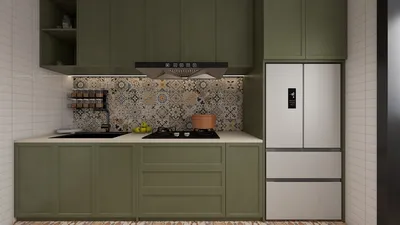


I once had a client who insisted on a neon purple kitchen, claiming it would "make coffee taste better" — I couldn't help but laugh. After testing various swatches, I quickly realized that sheen and lighting can often undermine even the boldest choices. To prevent any design blunders, I recommend visualizing paint colors in 3D with tools like Homestyler. This way, you can see how different hues and finishes will appear on walls and cabinets before applying any paint.
Small spaces necessitate decision-making, and I find this invigorating — constraints lead to more intelligent choices. Below, I outline five real-world ideas for selecting the perfect house paint: practical selections, where to splurge, and key trade-offs I've learned from on-site experiences.
1. Opt for low-VOC acrylic for interiors
For most homes, my preferred choice is a low-VOC acrylic latex paint. It is easy to clean, dries quickly, and is more considerate of indoor air quality. The benefit is minimal odor and impressive durability; however, some high-end alkyd finishes still outperform it on trim. Therefore, when you need added toughness, consider swapping finishes rather than base types.
save pin
2. Align sheen with function rather than merely aesthetics
While flat and eggshell finishes effectively conceal wall imperfections, avoid using flat paint in kitchens or bathrooms where moisture and scrubbing are common. I typically recommend eggshell for living rooms and satin for hallways and children's rooms because satin is resistant to scrubbing while still appearing soft. Budget-friendly tip: invest in a high-quality primer and use mid-range sheen for the main walls — save the premium finishes for trim and cabinetry.
save pin
3. Test small areas frequently with sample pots
I always order sample pots and paint 2–3 extensive swatches on the walls at various times during the day. Lighting can drastically change a color from warm to dull in an instant. To better understand how colors interact with your layout, I recommend quick floor planning and noting the orientation of windows — this simple step saved a client in a small studio from making a mauve mistake.
save pin
4. Employ high-hiding primers for striking colors
If you're daring enough to select bold colors like deep teal or duck-egg blue, factor in a high-hiding primer. This choice minimizes coats, enhances color accuracy, and provides that painterly depth that cheaper paints often fail to deliver. The downsides are that a quality primer may add time and initial expense; however, it’s still more economical than unnecessary topcoats and mishaps.
save pin
5. Think about washable finishes for busy households
For families and pet owners, I advocate for washable, stain-resistant formulas. Though they can be pricier and might appear glossier, their durability and ease of maintenance typically make them worth the investment. For a modern take, consider using washable paint on the lower walls and a flatter finish above; this contrast appears intentional and remains forgiving.
An additional tip: for precise color matching, explore AI-driven color suggestions, such as those provided by Homestyler. These tools learn from your preferences and images, offering quick alternatives that can validate bold choices when clients are unsure. While AI won't replace your unique style, it can help you avoid mistakenly painting an entire room the wrong color.
save pin
FAQ
Q1: What is the ideal paint for living rooms?
A1: I suggest using an eggshell or low-sheen acrylic for living rooms. This strikes a perfect balance between a soft appearance and ease of cleaning. Select a high-quality mid-range paint to ensure there are no patches.
Q2: Are low-VOC paints worth the investment?
A2: Absolutely — they minimize indoor odors and off-gassing, enhancing comfort after a painting job. Although they may come at a higher price, their benefits for bedrooms and small areas make them worthwhile.
Q3: How many coats are required for a vibrant color?
A3: Typically, you'll need two topcoats over a high-hiding primer; occasionally, three coats may be necessary if the color is particularly saturated. Proper priming reduces the total number of coats required and enhances color fidelity.
Q4: Which finish best conceals wall imperfections?
A4: Flat or matte finishes are the most effective at hiding imperfections, although they are more challenging to clean. Opt for flat paint in areas where appearance takes precedence over durability and satin where washability is essential.
Q5: What can I do to lessen paint odors?
A5: Use low-or zero-VOC paints, ensure good ventilation, and utilize air purifiers if necessary. Odors usually dissipate within a few days if airflow is maintained.
Q6: Is it possible to paint over wallpaper?
A6: You can attempt to paint over wallpaper only if it is securely adhered and clean; however, I generally recommend removing old wallpaper and repairing the walls for a more dependable finish. Painting over loose seams can lead to bubbling and disappointment.
Q7: Are there any health risks associated with household paint?
A7: Some paints may emit VOCs initially; therefore, it’s advisable to use low-VOC products and allow proper curing time. For more information on indoor air quality and VOCs, refer to the EPA guidance: https://www.epa.gov/indoor-air-quality-iaq/volatile-organic-compounds-impact-indoor-air-quality.
Q8: How can I select a paint color that remains stylish?
A8: I suggest using timeless neutral colors with an accent wall in a trendy hue. Neutrals help maintain resale value while accents fulfill current trends. Always test samples in various lighting conditions to ensure satisfaction.
save pin
Looking to transform your space? Homestyler is your go-to online home design platform! Utilize its user-friendly design tool, explore stunning 3D renderings, and dive into inspiring design projects and DIY video tutorials. Bring your dream home to life effortlessly with Homestyler!
Design Now for FREE
































