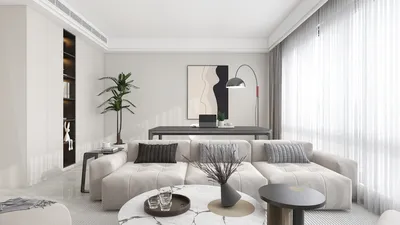


I once came close to ruining a dinner gathering by suggesting a massive 7-foot artwork that dominated the room—my client adored it, but the caterer was concerned it might seem to stare back. This experience taught me a valuable lesson: considerations like scale, sightlines, and ambiance outweigh merely being bold. Now, I create quick visual mockups using tools like Homestyler before making significant installations, which has saved both relationships and napkin supplies.
1. Bold Statement Art
I have a fondness for a singular large canvas or metallic artwork positioned above a sideboard; this not only anchors the table but also presents beautifully from across the room. The immediate appeal lies in the dramatic effect—no need for elaborate arrangements—but the downside is the necessity to commit to a single color palette. A budget-friendly approach: hire a local artist for a reasonably priced custom piece, or scale up a limited-edition print to achieve that striking look without the hefty museum price tag.
2. Layered Gallery Featuring a Central Focus
Rather than adhering to a uniform grid, I often initiate my wall art design with a large central piece and then complement it with smaller frames around it. This approach feels curated and personal; however, it does require careful attention to avoid visual clutter. A quick trick I employ: I lay everything out on the floor first and take a photo to evaluate the balance before making any alterations to the wall.
3. Mirrors, Metallic Elements, and Reflective Impact
A sizeable sculptural mirror or a metallic wall installation reflects light and can create an illusion of space in a narrow dining room. This aesthetic is fantastic for evening gatherings but requires thoughtful placement; avoid positioning a mirror directly in front of an entrance that showcases any disorder. If you're looking to alter your layout to incorporate a larger piece, consider sketching out the new dining flow on Homestyler to ensure movement remains comfortable.
4. Textile Murals and Wall Hangings
Textiles instantly bring warmth and can help soften noise—a huge advantage for those hosting lively dinners. They easily adapt to imperfect walls and are quite simple to swap out according to the season. However, they do tend to collect dust and require occasional professional cleaning. In one instance, I implemented a woven mural in a townhouse that transformed echoing sounds into cozy conversations, and my clients still rave about the improved acoustics.
5. Built-in Shelving as Artistry
Custom shelving that flanks a statement piece elevates storage to the level of décor. It provides display space for ceramics and creates a backdrop that evolves alongside your style. However, built-ins require a significant investment and commitment, so I ensure to create prototypes to assess scale and proportion and determine sightlines from the table before making any final decisions.
FAQ
1. What size should large wall art be for a dining area?
A general guideline is that artwork placed above a sideboard should measure about two-thirds to three-quarters of the width of the furniture. For full wall installations, make sure to assess the sightline from a seated position to ensure visual equilibrium.
2. Is a large mirror preferable to art in a compact dining room?
Mirrors enhance light and create the illusion of more space, making them ideal for smaller rooms. Art, on the other hand, injects personality and color into a space; choose what aligns better with your aim for brightness or character.
3. How high should I hang decorations above the dining table?
Hang the bottom edge of your artwork around 8 to 12 inches above a sideboard, ensuring that overhead fixtures do not cast glare on reflective surfaces. For art above the dining table, maintain a distance of at least 30 inches from the table's surface unless you have particularly high ceilings.
4. Can large wall decorations influence acoustics?
Indeed—hard surfaces tend to reflect sound, whereas textiles and layered displays absorb noise. If your dining area tends to echo, consider incorporating a large textile piece or utilizing shelves to display books and ceramics, which can effectively dampen sound levels.
5. What’s a cost-effective way to achieve the appearance of large artwork?
You can upscale prints, cluster multiple inexpensive canvases into an impactful presentation, or refurbish vintage frames with striking fabric. Often, commissioning emerging local artists can deliver high-impact art without breaking the bank.
6. Are gallery walls considered outdated?
Not at all if curated with thoughtfulness. A contemporary gallery wall features an array of sizes complemented by a dominant focal piece to avoid a boxed, monotonous look. I favor mixing different textures and frame styles to keep the display fresh.
7. How much space should I allow around a dining table?
Ensure at least 36 inches of clearance around the table for comfortable movement. The National Kitchen & Bath Association (NKBA) suggests 36 inches as the standard for single-cook kitchens and dining circulation.
8. Is it possible to change large wall decor with the seasons?
Definitely—updating textiles, rotating prints, or swapping accessories on built-ins can breathe new life into your space. Make sure to plan out mounting and anchors so you can switch pieces without risk to the wall's surface.
Homestyler is your go-to online home design platform! With its user-friendly design tool, stunning 3D renderings, and a wealth of DIY video tutorials, you can effortlessly create and visualize your dream spaces. Transform your home design ideas into reality today!
Concevez maintenant gratuitement
































