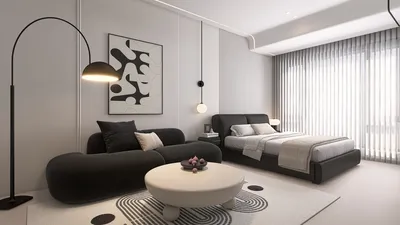


One of my clients once requested that I coordinate their living room's color to match a faded vintage sofa precisely. This led me to experiment with paint samples extensively until we achieved the perfect shade. This experience highlighted how the right interior paint, like those offered by Sherwin-Williams, can dramatically enhance even the smallest spaces when paired with innovative design ideas, such as integrating them with impactful room transformations using Homestyler.
I find that small spaces ignite my creativity since constraints often lead to innovative solutions. Here, I'll share five proven inspirations from real projects, complete with benefits, slight trade-offs, and quick budget-saving tips to get you started this weekend.
1. Emphasize architectural features with bold trim
I enjoy applying a rich Sherwin-Williams hue to trims and moldings while keeping the walls neutral; this adds a custom look to cornices and door casings. The benefit lies in creating dramatic depth without the need to repaint all walls, but be vigilant about precise taping or steady hand for any DIY efforts.
save pin
2. Use a universal neutral to connect spaces
During one renovation, I utilized Accessible Beige as a unifying color between the living room, kitchen, and hallway — it effectively tied together mismatched flooring and minimized costs on finishes. Neutrals can be very accommodating, yet be cautious: different lighting can alter the perception of the same paint color in each area, so it's advisable to test samples at various times throughout the day.
save pin
3. Enhance the perception of space in small kitchens with strategic color applications
In compact kitchens, I often recommend using lighter colors on cabinet fronts along with a slightly darker backsplash for a layered visual effect; Sherwin-Williams has a selection of soft blues and greiges that appear modern without being overwhelming. The advantages include an illusion of more space and simplified re-coating; however, coordinating hardware and appliance finishes is crucial, so bring samples when conducting color studies for your kitchen.
save pin
4. Match sheen to its purpose — satin, eggshell, or semi-gloss?
Choose the sheen based on function: eggshell for living areas, satin for high-traffic walls, and semi-gloss where washability is necessary, such as on trims and doors. Remember that sheen influences how color is perceived under different lighting conditions, so it's wise to test swatches. This method is both practical and budget-friendly, reducing the need for repainting; however, keep in mind that glossier finishes can highlight imperfections more readily.
save pin
5. Experiment with virtual samples and 3D previews before committing to purchases
I've begun utilizing digital mockups to demonstrate how Sherwin-Williams colors interplay with furnishings; this strategy enhances client confidence and minimizes paint waste and returns. If possible, create several renditions — the benefits become apparent in quicker decision-making and reduced regrets. To present a polished look, I couple these mockups with 3D render previews, helping clients visualize realistic lighting and texture effects before applying the first brushstroke.
save pin
FAQ
Q1: Which type of Sherwin-Williams interior paint is best for low-VOC requirements?
Many professionals suggest selecting Sherwin-Williams' low-VOC or zero-VOC options such as Harmony or Emerald Interior for healthier indoor air quality; these products excel while emitting less gas. For detailed product info, refer to Sherwin-Williams' official website.
Q2: What sheen should I opt for in a small bathroom?
For bathrooms, I typically recommend semi-gloss or satin finishes due to their moisture resistance and cleanability. These finishes reflect more light, thus helping smaller bathrooms appear brighter, but ensure surfaces are well-prepared to avoid accentuating flaws.
Q3: How many sample pots should I test before making a decision?
I advise trying at least three shades on various walls and observing them in both morning and evening light; minor variations in temperature or finish can shift perceptions significantly. Purchasing samples is a cost-effective way to prevent expensive errors.
Q4: Is it acceptable to use the same color throughout an open-plan area?
Absolutely — applying a single color to walls paired with diverse textures and layered accents fosters cohesion. However, you will require distinctive furniture or art contrasts to prevent the overall look from seeming flat.
Q5: How does the sheen affect the appearance of color?
Glossier sheens tend to reflect more light, which can make colors appear slightly darker or more saturated, while flatter sheens absorb light, causing tones to appear more muted. Always conduct tests with the final sheen to observe its true effect.
Q6: Are Sherwin-Williams paints sufficiently durable for homes with high traffic?
Paints such as Sherwin-Williams Emerald are designed for durability and ease of cleaning, making them ideal for busy households. Proper surface preparation and the use of primer are equally important to enhance longevity.
Q7: What's the best method for matching an existing color?
Bring a large, clean sample of the color you wish to match to a Sherwin-Williams store for spectrophotometer matching; alternatively, fabric or paper swatches can yield more precise results. Expect minor variations in complex shades and test before making a complete purchase.
Q8: Where can I find technical specifications and VOC data?
You can find authoritative specifications and VOC details on Sherwin-Williams' official site (https://www.sherwin-williams.com), which provides product sheets and safety information for each paint line.
save pin
Homestyler's roots trace back to Autodesk, the global leader in design and engineering software. That heritage lives on in every feature we build. Today, with a community of more than 18 million users worldwide, Homestyler continues to make professional-quality interior design accessible to everyone — from first-time decorators to seasoned architects.
Discover your creative potential with Homestyler! This user-friendly online home design platform offers a powerful design tool, stunning 3D renderings, and a wealth of inspiring design projects and video tutorials. Transform your space effortlessly and make your dream home a reality today!
Desain sekarang Gratis
































