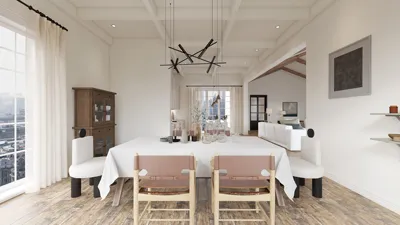


As an interior designer attuned to the latest trends, I have witnessed a noticeable shift towards tactile, layered styling and versatile furnishings in smaller homes. These compact spaces are prompting bolder, more innovative design decisions, particularly when it comes to carpeting, which has become a vital aspect in enhancing both perception and comfort. In this article, I will present five insightful ideas for choosing carpets for small living rooms, blending my practical experience with professional advice, showcasing how even diminutive spaces can yield significant design success. Initially, I sketch out a minimalist rug layout during the early design phase, allowing clients to visualize dimensions before making purchases.
Low-Pile Neutrals for Visual Expansion
My Perspective
In nearly every small living room project, I incorporate low-pile neutral rugs. These rugs integrate seamlessly with the floor, enhancing the sense of continuity and preventing a segmented appearance.
Advantages
Low-pile rugs with subtle textures serve as visual enhancers — they create an impression of a larger floor space while anchoring the furniture. They align perfectly with the keyword "best carpets for small living room with low pile" for clients seeking a functional, easy-to-maintain solution. Furthermore, these rugs are compatible with underfloor heating and withstand high traffic well.
Disadvantages
For those who favor plushness, low-pile rugs may come off as rather utilitarian. I often quip that while your knees appreciate the comfort, you might miss that cozy feeling — which can be easily remedied with the addition of a small sheepskin or a throw pillow.
Advice
Opt for a neutral palette (think warm greys, beige, or soft taupe) and select a rug that extends at least 18–24 inches beyond the sofa legs to ensure flow. Expect a low-pile wool or wool-blend rug in the mid-price range to endure approximately 7–10 years within a compact living space.
save pin
Small-Scale Patterns to Add Depth
My Perspective
I have effectively employed small, repeating patterns when clients desire visual intrigue without overwhelming their space. Patterns can cleverly disguise wear and add a sense of depth.
Advantages
Micro-patterns and small-scale prints enrich the room's texture and layering, all while maintaining a spacious feel. When exploring the longtail phrases "patterned carpets for small living room" or "small print rugs for compact living spaces," one can discover many adaptable choices. Additionally, patterned rugs tend to be forgiving when it comes to stains and traffic, making them practical for busy households.
Disadvantages
Overly busy designs or large patterns can make a small space appear cluttered. View patterns as the flooring's wallpaper; they should enhance, not clash, with wall colors and furniture sizes.
Example
In a cozy 280 sq ft open-plan area for a family of three, I recommended a 5x8 rug featuring a tight geometric design. This choice visually expanded the seating area without detracting attention from a compact sofa and low media console. Budget-wise, machine-woven polypropylene prints are affordable and surprisingly sturdy.
save pin
Round Rugs to Define Zones
My Perspective
In a recent small apartment project, a round rug effectively separated a conversation nook from a walkway. The curved edges softened sightlines and created a more open atmosphere.
Advantages
Round rugs establish purposeful areas while allowing for a more organic flow of movement. Using a round rug in a small living room is among the smartest strategies for defining a seating cluster without adding extra visual weight. They work exceptionally well under coffee tables or in front of window seats.
Disadvantages
Round shapes can prove challenging near rectangular TVs or linear furniture as they might expose more unoccupied flooring along straight edges. Typically, I counterbalance this with a runner or a second smaller rectangular rug if necessary.
Advice
Measure the furniture's footprint, allowing at least 12 inches of rug beyond the seating's front legs for visual cohesion. On pricing: custom-sized round rugs can be more expensive, so opting for standard diameters (5ft, 6ft, 8ft) usually offers the best value.
save pin
Textured Rugs for Light Play
My Perspective
A personal favorite trick in designing small living rooms is utilizing textured rugs to reflect light and generate soft shadows. This approach can create an impression of depth rather than constriction in compact areas.
Advantages
Textured surfaces — such as low-contrast loops, flatweaves with slubs, or cut-and-loop constructions — introduce dimensionality without overwhelming color. Searching for phrases like "light-reflecting rug textures for small living rooms" illustrates how the pile's direction and yarn's sheen alter perception. A subtly reflective, low-contrast texture can evoke an airy feel, particularly if combined with light walls and mirrors, as noted by Architectural Digest.
Disadvantages
Textured rugs can gather dirt in crevices and may be troublesome to vacuum adequately when the pile is uneven. I advise clients that these rugs often require a bit more upkeep, but the resulting visual richness usually justifies the effort.
Example
In an apartment that lacked natural light, I chose a flatweave with a silk-blend slub. The slightly glossy yarns captured available light, making the seating area feel brighter. Maintenance tip: vacuum regularly and rotate the rug every 3–6 months to ensure even wear.
light-reflecting rug textures
save pin
Layering Rugs for Cozy Dimension
My Perspective
I enjoy rug layering for its versatility and playfulness. In small living rooms, a large neutral base with a smaller patterned or textured overlay provides dimension without overwhelming the space.
Advantages
Layering allows you to merge practicality with aesthetics: a durable base rug suited for heavy traffic paired with a softer top layer for the seating area. The phrase "layered rugs for small living room" effectively encapsulates this approach. This method also facilitates control over color, letting you introduce a splash of pattern without necessitating repainting or reupholstering.
Disadvantages
Your inner minimalist may object to the additional visual elements. I typically stick to a base rug that closely matches the floor tone while letting the top layer shine to prevent a chaotic appearance.
Advice
Utilize a rug pad to prevent sliding. For a harmonious look, ensure the base rug is within two shades of your floor's tone and select a layered piece featuring a noteworthy color taken from your cushions or artwork.
Concluding my design concepts for compact living rooms, I often create a simple study illustrating how a single rug choice can transform perceived space. Utilizing digital tools like Homestyler for mockups can assist clients in deciding on texture, scale, or pattern, with a neutral palette rug case visualization serving to guide their purchasing choices effectively.
save pin
Summary: Small Rooms, Smarter Carpets
Small living spaces do not stifle creativity; instead, they encourage clarity. Selecting the appropriate carpet for a small living room requires a balance of scale, pile, pattern, and functionality to ensure the area feels more spacious and welcoming. Whether you opt for a low-pile neutral, a small-scale patterned rug, a round design for zone definition, a textured piece for light reflection, or a layered ensemble, the goal remains to achieve smarter design without compromise.
For those seeking evidence to support these visual strategies, resources such as Architectural Digest and The Spruce provide valuable insights on rug sizing and materials that align with my recommendations. Now, I am intrigued: which of these carpet ideas for small living rooms would you explore first?
save pin
FAQ
1. What size rug should I choose for a small living room?
Select a rug that accommodates at least the front legs of your sofa — typically, you should see 18–24 inches of rug extending beyond furniture. For extremely compact areas, a 5x8 rug often strikes a balanced footprint without crowding the space.
2. Are lighter shades better for carpets in small living rooms?
Light colors can create a visual impression of enlargement, but the most suitable choice will depend on traffic and lifestyle. For households with children or pets, mid-tone neutrals conceal wear more effectively while still preserving an airy ambiance.
3. Should I opt for patterns in a small living room rug?
Absolutely — small-scale patterns or subtle repeats provide depth without diminishing the space. Steer clear of oversized motifs that command attention; instead, search for tight geometric designs or low-contrast florals that appear textured from afar.
4. Is layering rugs acceptable in a small living room?
Layering is an excellent strategy for infusing warmth and definition. Utilize a neutral base and a smaller, more decorative top layer to maintain harmony and avoid visual chaos.
5. Which materials are best suited for carpets in small living rooms?
Wool and wool blends provide durability and natural resilience, while flatweaves and polypropylene options are budget-friendly and easy to maintain. Choose low-pile styles for simpler upkeep and a more open atmosphere.
6. Can a round rug truly make a small room feel larger?
Round rugs soften sightlines and foster a sense of flow by breaking up rigid rectangular configurations. They are particularly beneficial in open layouts or for delineating a seating area.
7. How can I care for textured rugs in a compact living room?
Regularly vacuum using a suction-only setting, and rotate the rug to balance wear. For a deeper clean, adhere to the manufacturer's guidelines and consider professional cleaning every 12–24 months to maintain texture and sheen.
8. Where can I access trustworthy information on rug sizing and materials?
Reliable resources like Architectural Digest and The Spruce offer practical rug sizing guides and material comparisons that resonate with professional practices. For material safety and allergy considerations, check out reviews from Consumer Reports and Good Housekeeping too.
save pin
Transform your home design dreams into reality with Homestyler! This user-friendly platform offers a powerful online design tool, stunning 3D renderings, and a wealth of inspiring design projects. Plus, with DIY video tutorials, you'll have all the guidance you need to create your perfect space!
Design Now for FREE
































