

Over the last ten years, I have planned and redesigned numerous banquet halls, and Gitanjali’s layout promotes both beauty and efficiency. The aim is simple: enhance capacity while ensuring comfort, easy movement, and a high-quality sensory experience. Research from Gensler indicates that effective spatial planning that acknowledges human movement can decrease feelings of crowding and boost satisfaction, a principle that is equally applicable to event settings. Additionally, studies by Steelcase emphasize that clearly defined zones facilitate navigation and lessen anxiety during busy periods such as seating arrangements and buffet service, which can be optimized using tools like Homestyler for efficient layout designs.
It's vital to consider lighting and ergonomics at the outset. The WELL v2 Light concept suggests reducing glare and ensuring a balance between vertical and horizontal lighting; social events typically require ambient lighting levels of 200–300 lux, with focal points highlighted at 400–500 lux. For comfortable seating, Herman Miller's research highlights the importance of maintaining adequate knee clearances beneath tables (around 24–26 inches) and aisle widths of 48–60 inches to allow easy two-way movement, particularly when guests are standing or sharing space between tables.
Space Planning Strategy: Capacity, Circulation, and Zoning
Begin with the number of attendees and the type of event—be it a wedding, corporate gala, or community gathering—and then outline zones for entry, welcome areas, primary seating, stage/backdrop, catering service, bar, dance floor, and auxiliary spaces (such as storage, audiovisual areas, and staff preparation spaces). For events of medium to large size, I aim for an occupancy density of approximately 10–12 square feet per seated guest, increasing to 15–18 square feet per person if a dance floor or buffet areas are included. Ensure that main aisles are at least 60 inches wide, with secondary aisles measuring between 36 and 42 inches. It’s important to route service areas (catering pathways) away from guest circulation to prevent congestion. Utilizing a room layout tool can be beneficial for testing table arrangements and aisle widths without the need to re-measure the space repeatedly—tools like Homestyler can assist in this planning process.
Table Geometry: Round vs. Rectangular
Round tables are ideal for promoting conversation and accommodating sightlines; 60-inch rounds typically seat 6–8 guests, while 72-inch rounds can accommodate 8–10. I prefer using 60-inch rounds in tighter venues, as they allow for 60-inch main aisles and ensure ample chair-to-chair clearance. Rectangular tables (30×72 inches) work well for family-style meals and aligned layouts. Regardless of the table format, maintain a distance of 18–24 inches between the backs of chairs in adjacent rows and establish a consistent rhythm to allow servers to navigate easily.
Stage, Backdrop, and Sightlines
Stage height should correspond with audience size: 12–18 inches for up to 150 guests, and 24 inches for larger crowds, ensuring at least 8–10 feet of clear depth for performers and ceremonial activities. Avoid placing structural elements or decorative towers within the sightline cone of key tables. If structural limitations exist, stagger table placements and slightly rotate head tables to maintain direct views. It's advisable to store AV equipment and dimmer controls in a designated tech area with sound insulation.
Lighting Layers: Ambient, Accent, and Dimming
Lighting should be layered to correspond with different program stages: welcoming, ceremonies, dining, and dance. Ambient fixtures must provide even illumination of 200–300 lux across the floor while maintaining a low Unified Glare Rating (UGR). Accent lighting, which highlights centerpieces and backgrounds, should reach 400–500 lux to add visual interest without washing out faces. A warm-white light at 2700–3000K creates a cozy atmosphere; whereas cooler lights around 3000–3500K work well for corporate functions. Dimming should be smooth, and task lighting for catering should achieve 300–500 lux. For guidelines on appropriate lighting levels, consult IES standards.
To enhance guest well-being linked to light quality, WELL v2 offers research-backed recommendations to minimize visual strain while uplifting mood—an essential aspect especially during extended receptions.
Acoustic Comfort: Speech Clarity and Music Energy
It’s crucial that guests can comfortably hear speeches without raising their voices and can enjoy music without experiencing fatigue. Target an RT60 (reverberation time) of 0.8–1.2 seconds for banquet settings. Acoustic treatments like absorptive ceiling panels, fabric wall coverings, and soft materials (like carpet and upholstered seating) can significantly enhance sound quality. Position DJ/PA systems away from hard corners to prevent bass amplification issues. A spread-out arrangement of smaller speakers typically provides better sound coverage than a single larger unit; maintain speech sound pressure levels (SPL) around 70–75 dB in seating areas while allowing dance area SPL to rise more without excessive intrusion.
Color Psychology and Material Selection
The choice of color establishes the event's mood. Warm neutrals paired with deep accent shades create a festive yet sophisticated atmosphere, whereas cooler tones suit corporate events better. According to insights from Verywell Mind on color psychology, warm colors can boost social interaction, while blues and greens can promote calmness and trust—ideal for lounge areas and pre-function settings. For materials, opt for stain-resistant and durable options: solution-dyed textiles, high-density carpets, and sealed wood or luxury vinyl tile (LVT) for dance floors. Low-VOC finishes can also contribute positively to air quality and reduce fatigue from odors.
Bar, Buffet, and Service Flow
Position the bar centrally only if multiple service points are available; a single bar performs better along a perimeter with dual waiting lines. Separate buffet stations from entrances and the stage to avoid traffic conflicts. Ensure 60-inch circulation paths around buffet islands; when space is limited, consider switching to linear buffets utilizing recessed openings for staff to refresh food without intruding into guest pathways. Establish bussing stations every 20–30 seats to prevent clutter. For layout testing—especially for bar placements and proximity to dance floors—tools like an interior layout planner can help highlight potential congestion points before the event setup.
Dance Floor Sizing and Placement
For weddings, allocate 4–6 square feet per dancing guest; if approximately half of the guests dance at once, calculate accordingly. The dance floor should be situated close to the stage and bar, while avoiding placement in main seating routes. Create a perimeter with lounge seating to manage overflow visually and enhance the ambience. Lighting here should be adjusted for more energy—using moving lights, yet maintaining a warm ambient glow to keep non-dancers engaged.
Back-of-House and Staff Efficiency
Service corridors should have a minimum width of 48 inches; for cart use, increase to 60 inches. Facilitate a clear pathway from the kitchen to drop-off points, avoiding any guest crossovers. Pre-stage additional glassware and utensils on the quieter side of the space, not obstructing the bar queues. Efficient AV storage with cable management can save valuable time during transitions, especially between ceremonial phases.
Safety, Accessibility, and Codes
Ensure ADA-compliant paths maintain a minimum width of 36 inches, with necessary turning radiuses of 60 inches. Clearly mark exit routes without obstruction; arrange freestanding décor away from egress areas. Implement non-slip surfaces near beverage stations to minimize spill risks. Utilize distributed floor sockets and routes for cables to avert trip hazards, and install low-profile ramps for public pathways where levels change.
Lighting Controls and Scene Programming
Organize fixtures by designated zones—entry, perimeter seating, stage lighting, dance floor accents, and bar highlights. Curate programmed scenes: Welcoming (3000K and 250–300 lux ambient), Ceremony (increasing accents with lower ambient), Dining (gently dimmed to 200–250 lux), and Dancing (dynamic accents with perimeter lighting). Glare management is crucial—avoid directing beams at eye level and use soft baffles to diffuse reflections from mirror balls.
Sustainability and Maintenance
Using LED fixtures with high efficiency helps reduce heat and energy consumption, while dim-to-warm options preserve mood without changing color quality over time. Select durable, modular furnishings to simplify reconfigurations. Choose finishes that are easy to clean, reducing long-term costs and minimizing downtime between events. Incorporating waste stations within service routes promotes cleanliness and expedites reset processes.
Checklist: Rapid Planning Pass
- Verify capacities and density goals (10–12 square feet per seated guest; 15–18 square feet with dance/buffet areas).
- Lock main aisles to 60 inches and secondary aisles to 36–42 inches.
- Choose table shapes and run seating simulations using a layout tool like Homestyler.
- Position the stage for optimal sightlines while circumventing column issues.
- Layer lighting in accordance with IES recommendations: ambient at 200–300 lux and accents at 400–500 lux.
- Optimize acoustics for RT60 around 0.8–1.2 seconds.
- Strategically place bar and buffet to avoid traffic conflicts.
- Calculate dance floor dimensions at 4–6 square feet for each dancing guest.
- Ensure ADA-compliant routes and unobstructed exits.
- Program lighting based on varying event phases.
References
For comprehensive insights and benchmarks, consult Gensler's research on space planning and behavioral science; Steelcase resources on user-centered environments; WELL v2 guidelines concerning lighting and well-being; IES standards for recommended illumination.
FAQ
When planning, aim for about 10–12 square feet per guest for standard seated dining. For events featuring buffet areas or dance floors, increase this to 15–18 square feet to allow for guest movement.
Main aisles should be 60 inches wide to accommodate two-way traffic and serving trays. Secondary aisles should measure 36–42 inches to keep clear pathways to exits and the bar.
60-inch round tables offer versatility for seating 6–8 guests and fit well in tighter spaces; 72-inch rounds accommodate 8–10 guests but require more aisle room. Rectangular tables measuring 30×72 inches are suitable for linear service and family-style dining.
Strive for ambient lighting at 200–300 lux with low glare, and accent lighting around 400–500 lux for centerpieces and stages. A warm-white light (2700–3000K) creates a more intimate setting.
Control reverberation time to about 0.8–1.2 seconds by utilizing sound-absorbing ceilings, fabric panels, and soft surfaces. Distributed speakers offer better coverage than a single large unit; maintain speech SPL around 70–75 dB in seating spaces.
Place the bar along the perimeter with two waiting lines, and position buffet areas away from the entrances and stage. Ensure a 60-inch circulation space around buffet islands; if space is limited, consider linear buffet setups.
Allocate around 4–6 square feet per guest who will dance. If about half the guests are expected to dance simultaneously, calculate accordingly and position the dance floor adjacent to the stage and bar while avoiding main thoroughfares.
Warm neutral hues with rich accents are perfect for social events, whereas cooler shades are more suitable for corporate settings. Warmer colors can enhance social interactions; blues and greens provide a calming and trustworthy feeling.
Implement modular furniture, organize floor boxes, and set up programmed lighting scenes. Stash bussing stations and audiovisual storage on the quieter side for efficient transitions.
Ensure 36-inch clear paths comply with regulations and maintain a 60-inch turning radius where applicable. Keep exits visible, steer clear of decor in exit arcs, and utilize non-slip finishes around beverage areas to enhance safety.
Homestyler's roots trace back to Autodesk, the global leader in design and engineering software. That heritage lives on in every feature we build. Today, with a community of more than 18 million users worldwide, Homestyler continues to make professional-quality interior design accessible to everyone — from first-time decorators to seasoned architects.
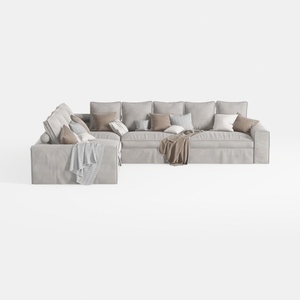
Minimalist Light Gray Fabric L Shaped Sectional Sofa 3D Model


Minimalist Fabric U Shaped Sectional Sofa with Side Tables 3D Model
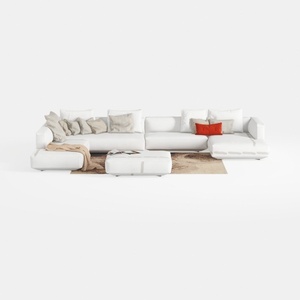
Minimalist White Fabric L Shaped Sectional Sofa with Ottoman 3D Model
Homestyler is your go-to online design platform for effortless home transformations. With its user-friendly design tool, stunning 3D renderings, and countless DIY video tutorials, you can unleash your creativity and visualize your dream spaces easily. Start designing today!
تصميم الآن مجانا
































