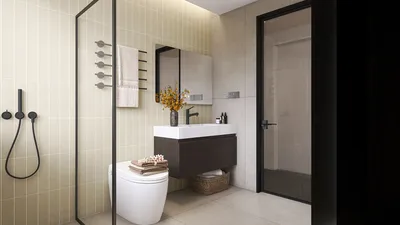


Weddings unite extensive and varied groups, and a well-structured venue transforms the logistics into an elegant experience. My methodology harmonizes guest flow, acoustics, lighting, and materials with cultural customs and vendor requirements, allowing the space to appear both spacious and well-organized. According to Steelcase data, a clear layout and reduced navigation confusion significantly elevate satisfaction and lessen stress during events. Their research on human-centered environments indicates that straightforward circulation can lead to heightened perceived comfort. Additionally, the WELL v2 standard sets guidelines on light quality and glare mitigation for occupant wellness, underscoring the importance of dimmable, high-CRI lighting in sustaining visual clarity and ambiance throughout a prolonged celebration.
Effective capacity planning begins with ratios. For banquet seating, planning for 10–12 square feet per person is commonplace; however, for mixed-use events that include dance floors and buffet areas, 12–15 square feet per person is more sensible. Research from Herman Miller on human factors reveals that clearly defined boundaries can diminish crowding behaviors, prompting me to dedicate 25–35% of the space to circulation and service paths in densely populated events. The psychology of color plays a significant role as well: Verywell Mind finds that warm neutrals and muted reds can foster a friendly atmosphere without overwhelming stimulation, while cool colors alleviate pre-ceremony tension—therefore, they should be applied thoughtfully across different zones.
Designing the Core Layout
Begin with a central axis for the stage or mandap to ensure unobstructed sightlines from all tables. I tend to opt for offset dance floors (adjacent yet not aligned with the centerline) to prevent congestion at the stage. For events hosting 300–500 guests, consider implementing two buffet islands rather than a single linear layout; dual-sided service dramatically cuts down on queue lengths. Should you require testing for seating densities or aisle widths before finalizing the layout, utilizing a room design tool can assist with prompt spatial organization and circulation assessments.
Lighting That Enhances and Directs
Employ ambient, task, and accent lighting with accurate controls. IES suggests recommended illuminance levels for multifunctional spaces to be around 200–300 lux for general ambient light; increase this to 500 lux at buffet and preparation areas, and reduce it to 150–200 lux for dance segments to engender a sense of intimacy. High CRI (90+) is crucial for ensuring accurate representation of fabric and skin tones, which is vital for photography. Use lighting temperatures of 2700–3000K to create warmth during dining, 3500–4000K in preparation/service areas for alertness, and incorporate glare management through appropriate lensing and baffles. Dimming curves should maintain smooth transitions and be programmable for different moments such as the ceremony, meal, dance, and farewell.
Acoustic Design for Ceremony and Celebration
Celebration halls often struggle with prolonged reverberation times. Aim for an RT60 of around 1.0–1.2 seconds in the primary hall; utilizing soft finishes, upholstered seating, acoustic wall panels behind the stage, and ceiling baffles above dance floors can help manage sound reflections. It's essential to differentiate between speech amplification and music sound systems: cardioid sub-array configurations can minimize low-frequency issues, while ceiling speakers should enhance speech intelligibility to above 0.6 STI. Position DJs or live bands away from reflective corners and provide sound-absorbing drapery behind them.
Catering, Service Flow, and Operations
Service corridors need to maintain a minimum width of 5–6 feet for cart passage during peak periods. Hot stations should be located 20–30 feet away from the dance floor to prevent heat and odor spread. Place beverage stations strategically near the entrances and edges of the dance floor to engage guests without obstructing views. A designated vendor preparation area, sized between 500–800 square feet depending on the number of guests, will help avoid kitchen overflow. Clearly marked paths from the kitchen to buffet islands are necessary to prevent crossing guest routes.
Seating Arrangements and Table Shapes
Round tables (60–72 inches) facilitate social interaction, with 72-inch rounds comfortably accommodating up to 10 guests if aisles span 5–6 feet. Long banquet tables add a dramatic effect for family gatherings; maintain spacing of 54–60 inches between rows for service efficiency. Varying table heights—cocktail tables near the dance floor to stimulate energy while standard dining tables provide stability—is recommended. Ensure there is 18–24 inches of space per chair at the table edges for comfort, and choose chairs with a seating height of around 17–18 inches and supportive backs to accommodate older guests.
Entrances, Ritual Spaces, and Wayfinding Strategies
Establish a defined ceremonial procession path with a width of at least 8–10 feet, adorned with low floral arrangements or lighting elements. At intersections, utilize hierarchical signage and lighting cues; brighter areas and contrasting color bands will instinctively guide guests. It is crucial to keep the gift and blessing area near exits to streamline departures. Implement tactile cues and straightforward iconography to cater to multilingual audiences while avoiding visual clutter.
Color, Materials, and Environmental Considerations
Combine durable materials with tactile warmth. Using stone or porcelain for main flooring, acoustic rugs near the stage, and easy-to-clean fabrics on lounge seating can withstand heavy traffic. When it comes to color, reserve rich accents for focal walls and floral displays; well-balanced palettes help prevent visual fatigue during lengthy events. Material choices should come from a resource library approach; services like Material ConneXion provide performance insights to connect durability with aesthetics. Additionally, choosing low-VOC paints and FSC-certified wood can significantly enhance comfort by reducing odors.
Stage, Mandap, and Photo Backdrops
Maintain the stage height at 18–24 inches for visibility without creating a feeling of exclusion. Provide side stairs for safe access during ceremonies. Ensure concealed cable routing for AV and lighting is integrated. Photo areas should allow for a 10–12 feet setback to accommodate group shots, avoiding backlit glare by using soft, front-facing key lighting alongside dim accent lights positioned behind.
Restrooms, Prayer Spaces, and Family Areas
Set aside quiet spaces for seniors and infants—between 150–250 square feet with gentle lighting at 200–250 lux and noise insulation. Restrooms ought to be easily accessible from main circulation pathways; consider family restrooms close to the central hall. If culturally significant, provide ablution or prayer areas with clear signage and storage for footwear.
Safety, Accessibility, and Regulatory Compliance
Ensure at least 44-inch wide exit paths (or local regulations equivalent) are clear and easy to navigate. Ramps should have a 1:12 slope to accommodate wheelchair access, accompanied by maintained turning radii of at least 60 inches at key intersections. Marking thresholds with contrasting strips benefits visually impaired guests. Fire-rated doors, illuminated exit signs, and obvious fire extinguisher placements are essential.
Vendor Coordination and Planning Timelines
Disseminate scaled drawings to decorators, caterers, and AV technicians at least two weeks in advance. Define timeframes for stage construction, floral arrangements, table setup, AV testing, equipment arrival, and rehearsals. Utilize color-coded floor plans for swift team reference and maintain a centralized schedule board to avoid overlap.
Adaptable Zoning for Multiple Events
Utilizing partition systems facilitates back-to-back events. Moveable walls with STC ratings of 45+ help decouple sound between areas, while distinct lighting presets for each zone maintain mood consistency. Ensure there’s dedicated storage for décor and AV equipment to allow swift resets between the ceremony and reception. A layout simulation tool can assist in visual pre-planning of reconfigurations and staff pathways.
Attention to Micro-Details for Enhanced Guest Experience
Disperse small lounge areas near circulation points for the comfort of older guests and those expecting. Incorporate phone charging stations at a height of 42 inches near photo ops. Utilizing cedar or carbon filters in HVAC systems can minimize food odors. Ensure that trash disposal and dish return stations are visually concealed yet easily accessible.
Post-Event Cleanup and Turnover Solutions
Design dedicated storage areas for stacking chairs and folding tables that do not infringe upon egress paths. Include hose bibs or floor drains in service corridors to facilitate swift cleanup, in addition to installing durable corner guards to protect walls from carts.
The WELL Building Standard (WELL v2) guides the strategies for lighting, air quality, and comfort within event spaces, while the human-centered research from Steelcase explores the clarity of space and behavioral outcomes in areas with high occupancy. These insights play a vital role in anchoring design choices that prioritize measurable comfort and usability, and utilizing tools such as Homestyler can greatly enhance the layout and aesthetic planning.
Frequently Asked Questions (FAQ)
Q1: How much space should I allocate per guest for a mixed-use wedding encompassing dining and dancing?
A: It’s advisable to allocate 12–15 square feet per guest to ensure ample space for seating, dancing, buffet lines, and circulation, thus minimizing wait times and boosting service efficiency.
Q2: What are the ideal lighting levels for ceremonies and dining?
A: For ceremonies, an ambient level of 200–300 lux combined with accent lighting focused on the stage or mandap is beneficial; dining should aim for comfort around 200–300 lux with warm tones of 2700–3000K and high CRI for optimal photography results.
Q3: How can reverberation be controlled to improve speech clarity within a large hall?
A: Aim for an RT60 measurement of between 1.0 and 1.2 seconds, utilizing acoustic panels, baffles, soft materials, and well-placed ceiling speakers, while keeping music systems separate from speech amplification.
Q4: Which table layout effectively shortens buffet lines?
A: Employ two buffet islands with dual-sided service and ensure 5–6 feet aisles surrounding tables. Position beverage stations near entrances and dance floors to engage guests without hampering their paths.
Q5: Which colors are most suitable for long events while avoiding fatigue?
A: Favor warm neutrals with moderated saturation and cooler accent zones to encourage a soothing atmosphere. Research surrounding color psychology emphasizes desaturated reds and earthy shades for sociability, while cooler tones can balance heightened energy levels.
Q6: What is the suggested size for the dance floor?
A: Allocate 3–4 square feet of space per guest dancing. For a gathering of 100 dancers, aim for an approximate dance floor area of 300–400 square feet, including sufficient clearance around the perimeter for movement.
Q7: What accessibility features should I prioritize?
A: Incorporate 1:12 ramps, maintain 60-inch turning radii, contrast strips at doorways for aiding navigation, and ensure clear pathways of at least 44 inches for egress. An accessible route from entry points to the stage and dining zones is essential.
Q8: How can I improve coordination with vendors?
A: Early sharing of scaled layouts, implementation of color-coded diagrams for caterers, AV teams, and decorators, defining load-in schedules, and conducting technical rehearsals will streamline preparations and collaborations.
Q9: What seating arrangements are ideal for families and older guests?
A: Use standard dining chairs with supportive backs set at a height of 17–18 inches, mingled with lounge clusters near high-traffic areas. Ensure wider aisles and proximity to exits for added comfort.
Q10: How do I effectively manage consecutive events in the same venue?
A: Implement movable partitions rated STC 45+, provide separate storage for decorations and AV systems, and configure pre-programmed lighting scenes. A layout planner can assist in visualizing rapid reconfigurations and smooth staffing flow.
Homestyler is your go-to online home design platform! With its user-friendly design tool, stunning 3D renderings, and a wealth of DIY video tutorials, you can easily create, visualize, and execute all your interior design projects. Transform your space effortlessly today!
Design Now for FREE
































