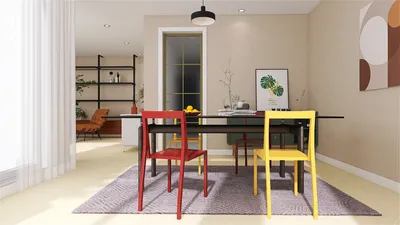


I have organized and executed a variety of events in community spaces, and Chikkamma Niketana Community Hall exemplifies an ideal venue—spacious, flexible, and budget-friendly. To assist you in structuring an enjoyable and comfortable experience, I have created a guide focused on aspects such as space planning, guest comfort, acoustics, lighting, and logistical workflow, which will be useful on the day of the event. Don’t forget to consider using Homestyler for a virtual layout design.
The capacity and layout significantly influence nearly every decision made during the planning process. Research conducted by Steelcase indicates that adaptable and reconfigurable environments enhance participant engagement and comfort, particularly for mixed-use events. The WELL v2 standard further underscores the importance of ambient lighting, thermal comfort, and sound control as essential components for attendee wellness. Drawing from these insights, I suggest maintaining a maximum seating arrangement with a distance of at least 36–42 inches between rows to ensure safe movement and ergonomic comfort. When creating breakout spaces, adhere to a 1:3 ratio of plenary seating to informal areas to facilitate smooth transitions without congestion.
Fundamentals of Space Planning
Begin with your expected attendance, schedule of activities, and the desired type of engagement—be it presentations, performances, workshops, or meals. For varied programming, divide the hall into three functional zones: entry with registration, the main activity area, and supporting spaces (such as catering, equipment storage, and green rooms). Utilizing a straightforward interior layout tool can help you visualize seating density, stage visibility, and traffic flow. Aim for a clear passage of 6–8 feet behind the last row of seating for circulation and technical access. If staging is involved, keep the platform height between 12–18 inches for medium-sized audiences; for over 150 guests, consider an elevation of 24 inches to maintain sightlines.
Suggested Seating Arrangements
- Theater style: perfect for talks and ceremonies. Incorporate aisles after every 8–10 seats; ensure ADA-compliant spaces in the front and middle sections.
- Classroom style: best suited for workshops. Tables should measure 24–30 inches in depth, 60 inches wide to be shared by two, providing 48 inches of aisle clearance.
- Banquet rounds: 60-inch tables accommodating 6–8 guests comfortably; ensure 60–72 inches between table edges for efficient service flow.
- Cabaret/half-moon: optimal for performances and panel discussions; the angled setup enhances eye contact and minimizes neck strain.
- U-shape/Boardroom: encourages collaboration; maintain a 12–15-foot internal space for facilitators and audiovisual equipment.
Lighting: Emphasizing Comfort, Visibility, and Atmosphere
Proper lighting balance is essential to avoid fatigue while supporting focus. I typically follow IES guidelines, which recommend keeping general ambient lighting around 200–300 lux for social events, 300–500 lux for workshops, and 75–150 lux for dining scenarios with focused highlights. Warm white (2700–3000K) is suitable for receptions, while neutral white (3500–4000K) aids presentations. To minimize glare, angle fixtures away from the stage and avoid glossy surfaces under direct lighting. If video recording is anticipated, increase vertical lighting to 150–250 lux across the speakers’ faces, and gradually dim house lights to foster smooth visual adaptation.
Acoustics and Sound Management
Community venues often feature lively, reflective surfaces. For events centered on spoken content, aim for a reverberation time (RT60) between 0.7 and 1.2 seconds, depending on audience size. Implement soft finishes such as drapes and fabric-covered backdrops, and ensure at least two sound-absorbing areas opposite the stage to minimize echo effects. Distribute speakers strategically to prevent hot spots, keeping sound pressure levels below 85 dB for comfort during longer sessions. If concurrent activities are expected, consider utilizing mobile acoustic barriers to sustain speech clarity (STI ≥ 0.6). A lapel mic along with a handheld backup should be part of your AV plan; conduct testing for audio-visual equipment 90 minutes prior to doors opening.
Color and Material Selection
Choosing the right colors can influence behavior significantly. Warm neutral palettes promote social interactions, while muted cool tones help maintain focus. According to Verywell Mind’s color psychology research, vibrant reds evoke excitement, whereas blues and greens foster calmness—utilize accents judiciously to enhance energy without overwhelming visuals. When selecting materials, opt for low-VOC finishes and easy-to-clean surfaces; rounded table edges and slip-resistant flooring can enhance safety and minimize the likelihood of accidents. If planning a photo backdrop or sponsor wall, matte fabric can prevent unwanted glare, ensuring a clear image.
Thermal and Air Quality Considerations
Comfort levels can vary as the venue fills. Maintain a temperature range between 20–23°C (68–73°F) for seated audiences; for more active sessions, adjust to a slightly cooler 19–21°C. The WELL v2 standard advocates for sufficient ventilation, with CO₂ levels kept below 800–1000 ppm—coordinate with facility personnel to flush the air before the event and maintain airflow during peak hours. Place water stations near exits to minimize disruptions during the program.
Workflow: Staging, Back-of-House Operations, and Flow
Outline three critical flows: guest movements, staff operations, and delivery routes. Audience members should transition from check-in to seating within three minutes; staff should have separate access routes for catering and AV resources; deliveries must have straightforward paths to the stage or storage areas. Buffer zones surrounding entry points—of at least 8–10 feet—are essential to avoid congestion. When managing multiple segments, plan for 8–12 minute breaks to adjust acoustics and lighting in a way that retains audience engagement.
Accessibility and Safety Measures
Provide accessible seating with unobstructed sightlines, ramps where necessary, and at least one companion seat accompanying every accessible position. Maintain pathways at a minimum width of 36 inches, with 48 inches preferable in high-traffic areas. Clearly mark cable runs, use anti-trip mats, and ensure fire exits are visible from all seating clusters. Train ushers on emergency protocols and crowd management tactics.
Event Types and Custom Setups
- Weddings and receptions: Utilize soft, warm lighting (2700–3000K); setup banquet rounds with a central dance floor; drape acoustically for perimeter walls.
- Conferences and panels: Employ neutral lighting (3500–4000K), arrange theater-style seating with center and side aisles, and set up a confidence monitor for speakers.
- Workshops and training: Opt for classroom or U-shape configurations, brighter task lighting, multiple outlets for devices, and mobile whiteboards as needed.
- Cultural performances: Elevate the stage by 18–24 inches, implement controlled lateral lighting, and have a backstage area with curtains for quick costume changes.
Budget and Vendor Coordination Strategies
Prioritize audio-visual needs and lighting elements before focusing on decor, as they significantly influence perceived quality beyond any single stylistic choice. Economize on freight by bundling AV, seating, and drape rentals. At least five days before the event, share a scaled layout with vendors, using a layout simulation tool to secure final counts and staging measurements. Validate power requirements, mic counts, and any necessary licensing for performances.
Event Timeline Overview
- T-21 days: Confirm headcount, layout, and inventory of equipment.
- T-14 days: Confirm vendors; draft a run-of-show plan.
- T-7 days: Conduct a walkthrough, marking cable paths and service routes.
- T-2 days: Deliver rentals; test lighting and sound systems.
- T-0: Doors open; ensure ushers are briefed; verify AV redundancy is operational.
Essential Metrics to Monitor
Track attendee dwell time at registration (aim for under 3 minutes), feedback on speech clarity, and thermal comfort via spot assessments. Post-event, analyze flow challenges, noise complaints, and visibility scores from guests seated in the back. Use these insights to refine your strategy for future bookings.
Reference Material Links
For more detailed specifications, check the IES standards on lighting levels and glare control, as well as the WELL Building Standard v2 for guidelines on comfort and air quality: IES standards and WELL v2.
Frequently Asked Questions
For seated events in a theater style, allocate approximately 6–7 square feet per guest. A mid-sized community hall can typically accommodate between 120–250 attendees comfortably, subject to local fire codes and layout configurations.
For talks, aim for general lighting levels of 300–400 lux, and 150–250 lux during social segments. Opt for warm color temperatures (2700–3000K) for receptions and neutral (3500–4000K) for better presentation clarity.
Incorporate fabric drapes on opposite walls, utilize carpet runners, and select upholstered seating. Adding mobile acoustic panels near the rear can mitigate echo effects and help achieve appropriate RT60 levels for speech.
Create aisles every 8–10 seats, maintaining 36–42 inches of clearance. Ensure clear pathways to exits and mark any cabling present.
Outline total equipment loads while managing power distribution to prevent circuits from being overloaded. Provide at least one lapel mic and one handheld option; conduct gain structure tests and feedback checks before the event opens.
For a classroom or U-shape setup, utilize tables that are 24–30 inches deep while ensuring a minimum of 48 inches of aisle clearance for ease of movement and facilitation.
Base color schemes on neutral tones (either warm or cool) complemented by restrained accents—blues and greens for tranquility, warm hues for social interaction—based on insights from Verywell Mind’s color psychology research.
Separate the check-in area from the main entrance by 8–10 feet, organizing two parallel lines with visible signage. Aim for under 3 minutes from entry to seating.
For events featuring fewer than 120 attendees, maintaining 12–18 inches of space typically suffices. For gatherings exceeding 150 guests, consider increasing spacing to 24 inches to ensure clear sightlines to speakers or performers.
Maintain a room temperature of 20–23°C for seated audiences, while slightly cooler conditions (19–21°C) can be ideal for more dynamic sessions. Ensure optimal ventilation to keep CO₂ levels below 800–1000 ppm.
Utilize mobile acoustic screens to establish semi-isolated areas, stagger program schedules, and distribute audio sources effectively to prevent sound interference.
Include 8–12 minute breaks between segments to adjust sound, lighting, and attendee circulation without compromising engagement.
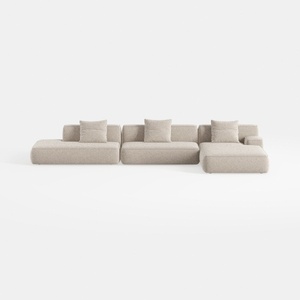
TIMERAGE 104'' Power Recliner Corner Sofa with
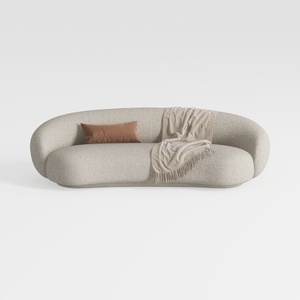

Meridian Furniture 693Cream-L Hyde Collection
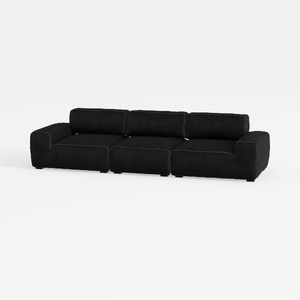
Meridian Furniture 141Black-S4 Indulge Collection
Homestyler is your go-to online platform for effortless home design. With its user-friendly design tool, stunning 3D renderings, and comprehensive DIY video tutorials, you can easily create and visualize your dream interiors. Transform your space with inspiration and creativity today!
Progetta ora GRATIS
































