

When searching for an ideal banquet hall on East Coast Road (ECR) in Chennai, it's essential to consider more than just the capacity and scenic views. I focus on venues that provide a perfect combination of volume, natural light, sound quality, flow of movement, and adaptable designs—ensuring an engaging experience for guests from arrival to the final toast. Research indicates a growing demand for customizable event spaces; Steelcase's findings suggest that environments with flexible furniture arrangements boost attendee engagement and ease transitions during multi-activity functions. Additionally, WELL v2 emphasizes the importance of acoustic comfort and lighting quality as key elements for the well-being and satisfaction of event participants. When evaluating banquet halls along ECR, I assess them against these vital criteria before discussing decor options.
My benchmarks for lighting environments and human comfort are quite essential. The IES guidelines recommend that banquet-style settings maintain an illumination level of approximately 200 to 300 lux for ambient dining, utilizing a warm color temperature of 2700 to 3000K to ensure natural skin tones and highlight theatrical elements. WELL v2 highlights the importance of minimizing glare, achieving a balance between direct and indirect lighting, and regulating sound reverberation. Integrating these aspects ensures that photo opportunities remain flattering and speeches are delivered without echo interference. For more in-depth planning advice, refer to the WELL v2 documentation.
Evaluating Banquet Halls on ECR
I utilize a structured five-part evaluation framework: assessing capacity and spatial proportions, flexibility of layouts, lighting and sound quality, efficiency of service cores, and durability of materials. When considering seating arrangements, a practical guideline is to allocate 10 to 12 square feet per guest, inclusive of movement space; buffets require 15 to 18 square feet per person, considering queue lines and service aisles. This approach ensures clear pathways and comfortable table spacing. Prior to site visits, a quick pass using a room layout tool like Homestyler can effectively simulate seating arrangements, stage configurations, and buffet placements.
Essential Criteria for Choosing ECR Venues
• Location and Accessibility: While coastal views are important, sufficient parking, bus drop-off areas, and efficient loading zones are critical for accommodating large crowds.
• Ceiling Height: Heights ranging from 12 to 18 feet facilitate lighting setups, decorative elements, and improved sound dispersion.
• Acoustic Quality: Aim for an RT60 reverberation time between 0.8 and 1.2 seconds to ensure clear speech in larger spaces. Use softer materials like carpet tiles, drapery, and upholstered panels to absorb sound reflections.
• Lighting Layering: Incorporate ambient lighting (200–300 lux), targeted accent lighting for tables, and adjustable stage lighting. Dimming options will help transition moods effortlessly throughout the event.
• Power and Rigging: Ensure electrical distribution for DJ and AV setups, implement secure rigging points for decor, and establish effective cable management to maintain unobstructed guest movement.
• Service Core: A well-designed kitchen space should offer separate pathways for staff, sufficient cold storage, and loading access that keeps guest traffic unaffected.
Effective Layout Strategies for Coastal Events
Banquet halls near the coast often boast elongated, view-oriented spaces. I categorize the area into three sections: a welcoming reception zone, the main seating area, and the service segment for performance and service needs. The reception zone serves to facilitate check-ins and photo opportunities, while the seating area ensures unobstructed sightlines to the stage, and the service section accommodates buffet stations and bars, paired with parallel corridors for staff movement. Utilizing an interior layout planner can help assess aisle widths (minimum 1.5–1.8 meters for two-way traffic), ensure clarity for emergency exits, and map out behind-the-scenes routes.
Capacity Considerations and Table Arrangements
Round tables measuring 60 to 72 inches are excellent for promoting social interaction; I recommend maintaining 1.8 to 2.0 meters of space between table edges for ease of movement. For lengthy banquet setups, staggering every third aisle can help eliminate bottlenecks. In cases of mixed seating arrangements, I recommend cluster modeling: placing round tables close to the stage for speeches, and arranging rectangular tables around the perimeter for family groups, while incorporating high-tops in the reception area to encourage mingling.
Evening Ambiance and Lighting for Coastal Events
As dusk descends along ECR, warm lighting becomes crucial—using 2700 to 3000K for dining areas and slightly cooler 3200 to 3500K for stage areas helps maintain details without harshness. Employ indirect lighting to enhance the height of the ceiling, use focused pin-spots to highlight table arrangements, and apply soft gobos for wall texturing. Managing glare effectively through shielded fixtures and matte tableware ensures a pleasant visual experience from seated positions.
Sound Quality and Speech Clarity
Large venues can often amplify echoes. A solution involves using a variety of sound-absorbing materials: carpet tiles, area rugs, fabric-wrapped panels, and upholstered seating can significantly reduce reflections. Positioning the DJ or band slightly off-center can prevent the creation of standing waves; aligning speakers for uniform sound coverage rather than sheer volume is essential. Quality sound enhances guest comfort and prolongs their stay.
Color and Material Selection for Coastal Events
Selecting colors that evoke calmness—neutral bases complemented by accented shades like seafoam, deep teal, or coral—can beautifully anchor the event's mood. Insights from Verywell Mind suggest that blues and greens foster relaxation, making them excellent choices for lounge areas. The materials chosen should withstand the coastal environment: prioritize powder-coated metals, seal the woods, and use stain-resistant textiles. Opting for matte finishes will help mitigate reflections that are detrimental to photography during the event.
Back-of-House: The Unsung Hero
A successful guest experience is contingent upon seamless service operations. Dedicated loading zones, strategically placed staging areas near hot food lines, and clear dish return routes can significantly minimize staff interference with guest movement. Having storage close to plating areas aids in maintaining timely service throughout the event. I recommend ensuring at least a 1.5-meter width in corridors behind buffet and bar areas to allow for unobstructed staff activity.
Outdoors Additions Along ECR
Numerous venues along ECR feature indoor halls paired with outdoor spaces such as lawns or terraces. For breezy evenings, use low-profile centerpieces, weighted umbrellas, and secure decor with cable ties. LED light strings with dimmers enhance both atmosphere and safety, while textured flooring paths guide guests from the hall to outdoor settings, reducing slipping hazards.
Effective Staging, AV, and Power Solutions
Initiate early planning for trussing points. Ensure stage platforms have stable access routes to maintain program continuity, while structural cabling should steer clear of primary guest pathways. Distributing power sources across different circuits is crucial to avoid fluctuations when catering equipment is in use. Test microphone patterns ahead of time, ensuring backup wireless channels are available.
Sustainability and Collaboration with Vendors
Opt for venues equipped with efficient HVAC systems and LED technologies. Promote linen reuse initiatives and choose compostable serveware for outdoor functions. It's vital to coordinate vendors based on scheduled lighting cues and acoustic checks to ensure a smooth transition from welcome to dance sessions.
Pre-Event Checklist for ECR Banquet Halls
• Confirm illumination levels throughout different zones before guests arrive.
• Walk through key circulation paths with a complete table count, ensuring emergency exits remain accessible.
• Conduct a quick speech rehearsal using live acoustic settings.
• Assess buffet queue configurations and food replenishing routes.
• Lock lighting scenes for the welcome, dining, speeches, and dancing segments.
• Test backup power sources and verify breaker assignments.
Frequently Asked Questions
Q1: How much space per person is advisable for banquet seating?
A1: Designate 10 to 12 square feet per guest for seated arrangements with comfortable aisles; increase to 15 to 18 square feet for buffet-heavy settings to accommodate service paths.
Q2: What lighting levels are ideal for evening events?
A2: Aim for ambient light levels of 200 to 300 lux in a warm color temperature (2700 to 3000K) for flattering illumination, with focused lighting on tables and cooler tones (3200 to 3500K) on stage for clarity.
Q3: What can I do to enhance acoustics in large venues?
A3: Incorporating soft materials such as carpet tiles, drapes, or acoustic panels, and distributing speakers effectively will help achieve balanced sound coverage. Target an RT60 of 0.8 to 1.2 seconds for optimal speech clarity.
Q4: What table shapes facilitate better social interaction?
A4: Round tables (60 to 72 inches) encourage conversation; maintain a clear space of 1.8 to 2.0 meters between them for fluid movement. Integrating high-tops in reception areas adds dynamic mingling options.
Q5: How can I mitigate wind issues in outdoor setups?
A5: Utilize weighted centerpieces, low-profile decorative elements, and secure cabling. Create textured pathways to reduce risk of slips while incorporating dimmable LED lights to enhance ambiance.
Q6: What should I assess regarding the venue's service area?
A6: Ensure there are dedicated corridors for staff, a staging kitchen situated near food lines, proximity of cold storage, and access points for loading that do not interfere with guest routes. A minimum corridor width of 1.5 meters is advisable.
Q7: Are there any layout tools that can help visualize seating before finalizing bookings?
A7: Utilizing design visualization software like Homestyler allows you to simulate table arrangements, aisle placements, staging, and buffet styles to evaluate sightlines and guest movement pathways effectively.
Q8: Which colors are most suitable for coastal-themed events without appearing kitsch?
A8: Neutral tones accompanied by discreet ocean-inspired accents—such as seafoam, teal, and coral—provide a subtle aesthetic. Employing matte materials can help minimize glare, enhancing photographs taken during the event.
Q9: How can I plan power and AV requirements for reliability?
A9: Create a circuit map, isolate loads from catering equipment, keep cabling away from main traffic areas, and allow for backup channels for wireless microphones. Conduct scene testing during rehearsals.
Q10: What sustainable practices significantly impact event planning?
A10: Prioritizing energy-efficient LED lighting, effective HVAC zoning, linen reuse strategies, and selecting compostable serveware for outdoor activities can considerably reduce environmental impact, all while maintaining a high-quality experience for guests.
What began as an Autodesk innovation has evolved into a design platform used by more than 18 million people around the globe. Homestyler combines powerful rendering, an intuitive editor, and a vast furniture library to help you turn inspiration into photorealistic designs — whether you're redesigning a single room or planning an entire home.
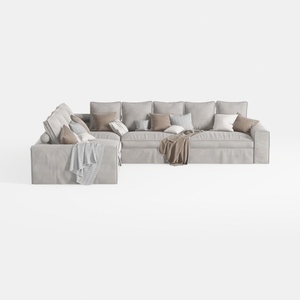
Minimalist Light Gray Fabric L Shaped Sectional Sofa 3D Model
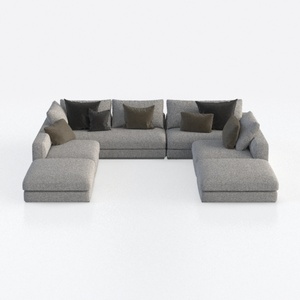
Minimalist Fabric U Shaped Sectional Sofa with Throw Pillows 3D Model


Modern Minimalist Green Velvet Fabric Large Sofa With Throw Pillows 3D Model
Looking to transform your space? Homestyler is your go-to online home design platform! With its user-friendly design tool, stunning 3D renderings, and a wealth of DIY video tutorials, you can easily create and visualize your dream interiors. Start designing today!
Desain sekarang Gratis
































