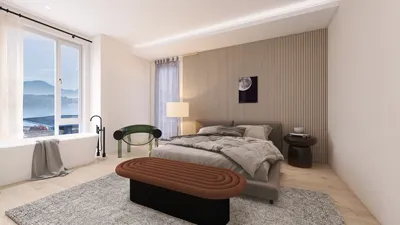


I once made the mistake of placing three oversized sconces in a small client's living room simply because they appeared "dramatic" on the mood board — unfortunately, the sofas were overshadowed and the client was in tears (not from joy, but from the lamp fiasco). This experience taught me that wall lighting has the power to either enhance a room's ambiance or completely overwhelm its space. In cramped settings, creativity is essential: the wall transforms into a stage, a sculpture, and even a storage area all at once. In this article, I will share five wall lighting solutions for living rooms that I frequently utilize, informed by real projects and valuable lessons I've learned the hard way.
1. Layered Sconces for Inviting Conversation Areas
Adding a pair of adjustable wall sconces on either side of a sofa or reading nook can create a warm, inviting space perfect for reading without harsh overhead lighting. I prefer swing-arm sconces because they provide both ambient and task lighting options. The advantage is a cozy atmosphere and reduced energy consumption, while the downside is that you need sturdy wall anchors and may need to plan for wiring or smart plugs.
save pin
2. Picture Lights to Enhance Artwork and Shelving
Picture lights, though subtle, can transform a space: placing a sleek fixture above artwork or styled shelves makes displays pop and draws the eye upward, creating an illusion of more space. In one studio apartment, I installed brass picture lights over a gallery wall, instantly making the area feel more curated. Just be cautious of heat on delicate pieces and choose LED picture lights to prevent fading.
save pin
3. Recessed Wall Washers for a Contemporary, Airy Atmosphere
Recessed wall washers provide a gentle vertical glow that makes narrow rooms feel larger, especially effective behind TVs or long sofas. While they require more effort upfront — including planning, drywall work, and an electrician's help — the result is a clean and architectural aesthetic. I recommend opting for dimmable versions for the ease of transitioning from movie night to cocktail hour.
save pin
4. Sculptural Wall Lights as Artistic Focal Points
When a living room craves personality, I turn to sculptural sconces that double as pieces of art. These fixtures serve as striking focal points and can reduce the need for additional decor. The downside is the price: designer wall lights can be expensive, but in smaller rooms, one statement piece can often replace multiple decor items, helping to minimize clutter.
save pin
5. Integrated Shelf Lighting for Stylish Practicality
LED strip lights discreetly placed under shelves or within niches offer a luxurious, custom finish while providing both display and task lighting for books or plants. I appreciate how integrated lighting addresses multiple functions in compact spaces. Pay attention to color temperature — aim for warm whites (2700–3000K) to maintain a cozy living room atmosphere.
If you're considering layouts or testing lighting placements, utilizing a room planner with a 3D preview can help you avoid the "too-many-lamps" scenario I faced earlier.
save pin
Tips 1:
Budget Tip: Start with dimmers and a couple of carefully positioned sconces before diving into built-in options. Practical Tip: Bring home samples — finishes appear different in warm living room lighting. Design Tip: Combine direct task lighting with indirect ambient light for maximum flexibility in your living space.
save pin
FAQ
Q1: What type of wall lighting is most suitable for small living rooms?
A1: Look for compact, adjustable sconces and integrated shelf lighting. They conserve floor space while adding layered illumination without overcrowding the room.
Q2: How high should wall lights be installed above a sofa?
A2: Generally, a height of 60-66 inches from the floor to the center of the fixture is optimal, although adjustments may be necessary depending on ceiling height and the back of the sofa to prevent glare.
Q3: Are LED wall lights superior to incandescent options?
A3: Indeed. LEDs are more energy-efficient, generate less heat, and provide a variety of color temperatures ideal for living rooms.
Q4: Can wall lights effectively serve as the main light source?
A4: Absolutely — with a well-considered arrangement of ambient, task, and accent lighting, wall lights can substitute overhead fixtures in many living rooms, particularly smaller ones.
Q5: How can I wire wall sconces in an existing room?
A5: For a seamless, permanent setup, hiring an electrician for wall wiring might be necessary; however, battery or plug-in options are great alternatives for renters or quick installations.
Q6: What color temperature is best for wall lighting in living rooms?
A6: Warm white (2700–3000K) fosters a cozy ambiance. Use somewhat cooler tones only if clarity for tasks like reading or detailed work is required.
Q7: Where can I experiment with various wall light designs in 3D?
A7: You can utilize a room planning tool like Homestyler to visualize placements and lighting effects in 3D before making permanent changes; it can help save time and avoid costly errors.
Q8: Are there safety standards regarding the use of picture lights near artworks?
A8: Yes — the Getty Conservation Institute advises using low-UV, low-heat lighting for artworks; LED options that adhere to museum-grade specifications are ideal (source: Getty Conservation Institute).
save pin
Homestyler is your go-to online home design platform, offering a user-friendly design tool and stunning 3D renderings. Explore countless design projects and learn through DIY video tutorials, making it easy to transform your home into your dream space—no experience needed!
Design Now for FREE
































