


Selecting the right plant can significantly enhance a living room corner, transforming it from neglected space into a serene focal point. In my designs, I often opt for tall and sculptural varieties as they effectively introduce height, soften sharp angles, and promote a sense of biophilic warmth. The key lies in selecting plant species that are compatible with your light conditions, ceiling height, and care preferences, while ensuring they are positioned to minimize glare, drafts, and disruptions to foot traffic.
There is consistent data that illustrates the positive effects of greenery on well-being. The WELL Building Standard (WELL v2) advocates for biophilic design strategies because natural elements can alleviate stress and enhance mood. Research by Steelcase indicates that environments promoting restorative experiences can improve cognitive functioning and overall satisfaction, with nature playing a crucial role in perceived comfort. Studies in color psychology also show that natural greens are associated with tranquility and harmony, providing a subtle visual reset in daily life.
Factors That Make a Corner Plant Effective
An effective corner plant should accomplish four main objectives: it should provide vertical emphasis, manage light reflectance, introduce interesting textures, and be easy to care for. I prefer upright plants that do not encroach upon walkways, with foliage that is not overly shiny to prevent intensifying glare, and species that can endure a bit of neglect. Corners usually lie between window walls and interior structures, experiencing a mix of light levels, occasional drafts from HVAC systems, and reflective brightness that can stress more delicate plants.
Top Plant Choices for Living Room Corners
Best suited for tall ceilings and bright, indirect light. Its large leaves form a striking silhouette that anchors seating areas. Keep it away from direct harsh sunlight to prevent leaf burn; rotate it monthly for even growth. Water it when the top two inches of soil feel dry.
Resilient and upright, this plant thrives in low-to-medium light environments. Its dark leaves minimize visual glare, adding an elegant touch against light-colored walls. Water it moderately, allowing the soil to dry slightly between waterings.
This plant is ideal for low light conditions and requires minimal care. Its glossy, architectural fronds maintain their shape beautifully in confined corners. Water sparingly, as it tolerates neglect and presents a modern aesthetic in contemporary spaces.
Tall, narrow blades add verticality without taking up much space, making them perfect for tight corners and high-traffic pathways. It adapts well to different lighting situations and requires infrequent watering, harmonizing nicely with linear furniture designs.
With its feathery texture, this plant softens hard corners and performs well in medium light. It is particularly suitable for apartments where space is limited. Keep the soil lightly moist and protect it from cold drafts.
Best for bright rooms with ample ceiling height, this plant's vertical fans impart a dramatic effect. Position it out of the way of direct midday sun and ensure consistent watering for optimal growth.
A low-light favorite that is practically maintenance-free. Its broad leaves lend a grounded aesthetic and a classic feel. Water it moderately and shield it from direct sunlight to prevent scorching.
Light, Color, and Glare: Creating the Right Visual Atmosphere
Light entering corners often comes from reflective, off-angle sources. I recommend plants with matte or softly textured foliage to help minimize glare. IES guidelines suggest that balanced, indirect lighting reduces visual fatigue, and positioning plants away from high-brightness windows can alleviate contrast while providing a more serene focal point. Research in color psychology emphasizes the restorative nature of greens; darker leaves evoke sophistication, while mid-tone greens appear fresh and inviting.
Matching Plants to Furniture and Architecture
Consider the vertical lines of the corner when selecting plants: for a 7–9-foot ceiling, a 3–5 foot plant is ideal, while double-height spaces can accommodate larger varieties. Employ slim planters for tall plants to preserve floor space. If your layout feels cluttered, utilizing a room layout tool can assist in visualizing flow and the plant's footprint without impinging on key pathways.
Preferred Plant Placement Strategies
- Position tall plants slightly away from windows to mitigate direct light and glare.
- Maintain a clearance of 12–18 inches from the wall to allow for airflow and foliage spread.
- Align planter borders with rug edges or furniture casework for a harmonious appearance.
- Keep clear of HVAC vents to maintain a stable temperature, which reduces stress on the plants.
Planter Selection, Materials, and Care
Opt for planters with drainage options and saucers to protect your flooring. Elegant materials such as fiberstone or matte ceramic reduce glare, while lightweight composites are ideal for apartments. Opting for sustainably sourced potting soils and slow-release fertilizers ensures steady growth with minimal maintenance. Clean leaves monthly to eliminate dust and enhance photosynthesis; rotate the plants a quarter turn regularly for balanced sun exposure.
Enhancing Acoustics and Comfort With Plants
Larger-leaf plants can subtly enhance acoustic comfort by diffusing high-frequency echoes, especially in rooms with hard surfaces. Although plants are not a primary solution for sound issues, combining greenery with textiles, rugs, and bookshelves can create a warmer audio profile that encourages relaxed conversation.
Seasonal Plant Care and Practical Suggestions
- Winter: Move plants slightly away from windows to dodge cold drafts; decrease watering frequency during this period.
- Spring: Gradually increase light exposure; trim any damaged foliage as needed.
- Summer: Monitor sunlight intensity; maintain regular watering while avoiding overly soggy soil.
- Fall: Refresh the topsoil, check for root crowding, and increase planter sizes if necessary.
Curated List of Corner Plants
Low light options: ZZ Plant, Snake Plant, Cast Iron Plant.
Medium light options: Rubber Plant, Parlor Palm.
Bright indirect choices: Fiddle Leaf Fig, Bird of Paradise.
Frequently Asked Questions
ZZ Plant and Cast Iron Plant excel in low light conditions. Snake Plant is also a strong candidate, remaining upright and neat.
Look out for signs of leaf scorch or crispy edges. If the plant is in direct sun paths, consider moving it 2–3 feet away from the window or using sheer curtains to diffuse the light.
Rubber Plant offers both height and easy care; it thrives in medium light with minimal watering requirements.
Integrating nature-oriented cues can enhance perceived well-being. The WELL v2 framework identifies biophilic design as instrumental in reducing stress, and this is why incorporating greenery can significantly improve the tranquility of living spaces.
Choose matte ceramic or fiberstone planters to reduce glare and provide stability; lightweight composites are beneficial if you frequently move the plants. Ensure all planters include drainage for optimal health.
Inspect new plants for health, avoid overwatering them, and clean their leaves on a monthly basis. In the event of pest issues, isolate the affected plant and treat it with a gentle insecticidal soap.
Align the height of the plant with the ceiling height and furniture proportions. For ceilings at 8 feet, a 3–5 foot plant typically complements the space without overwhelming the seating arrangement.
Plants can help lessen reflections in rooms with hard surfaces. By incorporating greenery along with rugs and other textiles, one can experience a more noticeable acoustic improvement.
Most corner-friendly plants prefer their soil to dry slightly between watering intervals. Check the top 1-2 inches of soil; water when dry, and reduce watering in the winter months.
Keep plants out of the direct flow of air from vents, positioning them 12–24 inches away to ensure consistent temperature and prevent stress-induced leaf drop.
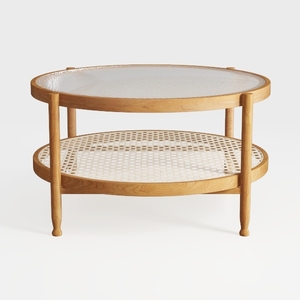
Minimalist Oak Rattan Glass Top Round Coffee Table 3D Model
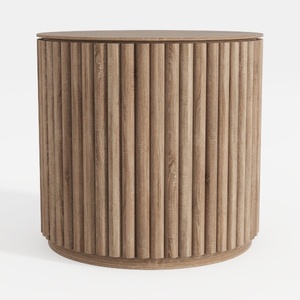
Minimalist Fluted Solid Wood Round Side Table 3D Model
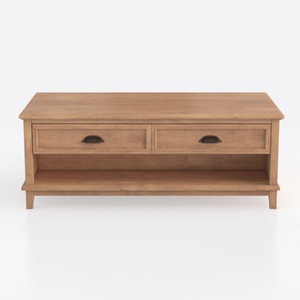
DWVO Farmhouse Coffee Table: Board Game Table with
Homestyler is your go-to online home design platform! With its user-friendly design tool, stunning 3D renderings, and comprehensive selection of design projects and DIY video tutorials, it's never been easier to create your dream space. Unleash your creativity today!
지금 무료로 디자인하세요
































