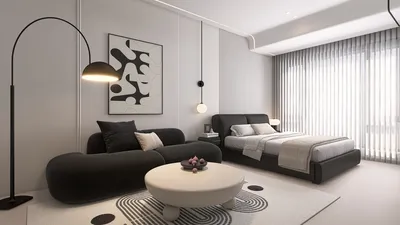


A living room measuring 16 by 14 feet strikes a perfect balance between versatility and coziness. This size is spacious enough to design distinct areas while also necessitating careful planning. Drawing from my extensive experience arranging spaces of this nature, I've found that successful designs hinge on maintaining clear pathways, selecting appropriately sized furniture, and employing layered lighting techniques.
There is significant value in space planning, supported by data: Gensler’s U.S. Workplace Survey indicates that environments designed for both collaboration and focused activities can enhance performance by 20 to 25%. Applied in a home context, this concept translates to increased usability when you organize areas for conversation, media consumption, and peaceful reading. Observing WELL v2 guidelines, the recommended ambient lighting for these living areas should fall within the range of 300 to 500 lux, with task lighting ideally reaching 500 to 1,000 lux. Such lighting levels help mitigate eye strain while maintaining a pleasant atmosphere.
The quality of lighting is just as critical as its intensity. Typically, the IES recommends approximately 10 to 20 foot-candles (around 110 to 215 lux) for general lighting in residential settings, with higher intensities dedicated to specific tasks. Additionally, color temperatures between 2700 and 3000K are ideal for promoting relaxation in the evening. In practice, I tend to use a dimmable ceiling fixture, wall washers to create a soft glow on the vertical surfaces, and a variety of task lamps for reading and controlling media environments.
Essential Principles for a 16x14 Space Design
• Prioritize flow: Ensure pathways of 36 to 42 inches are unobstructed, particularly between seating clusters and entrances. For a room measuring 16 by 14 feet, this generally translates to major walkways running along the longest walls and around the coffee table.
• Thoughtfully scale furniture: Aim for sofas that measure between 78 and 86 inches; they should anchor the space without overwhelming it. Complement this with either a compact loveseat or a couple of chairs (roughly 24 to 30 inches wide) to avoid creating a solid block of upholstery.
• Balance focal elements: If your living space includes both a fireplace and a TV, consider placing them side by side on the long wall, or position the TV on a low console opposite the main sofa. Let the fireplace serve as a conversational focal point, with chairs angled 10 to 15 degrees towards it.
• Honor sightlines: When furniture interrupts views, maintain its height at or below 36 inches, and ensure that larger pieces are floated at least 8 to 12 inches away from walls, thus improving both acoustics and airflow.
• Choose the right rug size: An 8 by 10 foot rug is ideally suited to a 16 by 14 room, allowing the front legs of the seating to rest on the rug and creating a harmonious visual appeal.
Proposed Zoning Ideas
• Conversation + Media Combo: Center the sofa on the 14-foot wall, facing a media console placed on the opposite wall. Flank the sofa with two chairs angled inward, maintaining a 30 to 36 inch gap around a coffee table measuring 48 by 24 inches. Position a reading lamp behind one chair and a floor lamp adjacent to the sofa for balanced illumination. To experiment with layouts, consider using a room design tool like Homestyler to visualize different configurations.
• Cozy Fireside + Main Seating: Float two lounge chairs near a fireplace accompanied by a small side table. Keep the main seating arrangement opposite the TV, ensuring a viewing distance of 9 to 10 feet for a 65-inch screen, which can help reduce fatigue.
• Family-Oriented Modular: Place a low-profile sectional along the long wall, limiting its length to 96 to 108 inches to ensure clear pathways. Incorporate a nesting coffee table and a couple of storage ottomans for maximum functionality.
Furniture Layout Suggestions
• Classic L-Shape: Position the sofa along the 14-foot wall with a chaise or chair creating the L-shape, and media console on the opposing wall. Maintain a distance of 18 inches between seating and tables for easy access, with approximately 24 inches between the coffee table and the sofa's front edge.
• Symmetrical Pairing: Place two matching chairs opposite a sofa, centered on the rug. This layout enhances visual balance and is particularly effective when there's a window or fireplace aligned in the center.
• Float and Frame: Float the seating arrangement about 12 inches from both long walls to define a soft border. Add a console table behind the sofa to house lamps and charging devices, and install wall washers to highlight artwork on the long wall.
Lighting Strategies for Comfort and Ambiance
• Ambient: Utilize a dimmable ceiling fixture or track lighting designed to minimize glare; target approximately 300 to 400 lux under general conditions as per WELL v2 recommendations.
• Task: Ensure reading areas feature 500 to 800 lux from shaded lamps, positioned behind and slightly off to the side to prevent creating shadows over surfaces.
• Accent: Aim for 100 to 200 lux on artwork or textured walls through the use of 30-degree angles to reduce glare; select a color temperature of 2700K for a cozy evening vibe, and 3000K to clarify during the day.
• Control glare: Opt for lampshades with diffusers and matte surfaces to mitigate glare; keep bright light sources adequately distanced from the TV to enhance viewing comfort.
Ergonomics and User-Centered Design
• Eye-level positioning: The center of the TV screen should align closely with the seated viewer's eye level (around 40 to 44 inches for standard sofas) to alleviate neck discomfort.
• Ease of reach and comfort: Side tables should be positioned 1 to 2 inches below arm height for convenience; seat depths of approximately 20 to 22 inches cater to most individuals.
• Acoustic considerations: Soft materials such as rugs, curtains, and upholstered elements improve sound absorption and manage echoes, aiding in clearer conversations. A bookcase or slatted wood panel can further break up sound reflections.
Understanding Color Psychology and Material Choices
Utilizing warm neutrals complemented by subtle color accents can help prevent a small space from feeling cluttered. Soft blues and greens promote tranquility and may help ease stress levels, while warm wood tones lend a familiar sense of grounding. Select durable finishes with low VOCs and resilient fabrics for areas subject to high traffic; wool-blend rugs enhance acoustics and tactile appeal without requiring intense maintenance.
Optimizing Traffic Flow and Visual Proportion
Draw a 36-inch pathway from the entry point to the seating and additional functional areas (like doors to a balcony or hallways). Position heavy items—such as media consoles and bookcases—against the long walls to anchor the layout. Lighter items, like chairs, plants, and floor lamps, should be moved towards the center of the room to maintain balance. Ensure visual weight is countered; if the sofa appears hefty, balance it with two lighter chairs and a sleeker coffee table.
Practical Storage and Enhancements
• A media console equipped with cord management, ideally ranging from 60 to 72 inches wide, to align with the sofa width.
• Consider built-in or freestanding low bookcases placed beneath windows to preserve sightlines.
• An ottoman with an accompanying tray for multi-functional use; aim for a height of 16 to 18 inches for comfortable leg support.
• Use wall hooks and a narrow console by the entry area to facilitate unobstructed movement.
Common Mistakes to Avoid
• Installing oversized sectionals that leave less than 30 inches of walking space.
• Using high Kelvin lighting (over 3500K) in evening settings, which can cause alertness and visual discomfort.
• Selecting rugs that are too small: A 5 by 7 foot rug tends to disrupt the room's flow; aim for an 8 by 10 to ground the seating area.
• Focusing solely on one focal point can lead to split attention; when both a fireplace and TV are present, consider a layered arrangement.
Step-by-Step Guide to Arranging Your 16x14 Living Space
1) Measure the room: Pay attention to door swings, window heights, and outlet locations.
2) Establish focal points: Identify the fireplace, TV, and main window—determine which takes precedence.
3) Position the main piece: Select an appropriately sized sofa and locate it while preserving a 36 to 42 inch pathway.
4) Introduce other seating: Arrange chairs or a compact loveseat; aim for a clear conversational arc of 8 to 10 feet.
5) Define the area with a rug: Place an 8 by 10 foot rug centered under the front legs of the seating.
6) Layer the lighting: Combine ambient, task, and accent lighting in accordance with both WELL and IES recommendations.
7) Refine the arrangement: Fine-tune distances between tables (ideally 18 to 24 inches), adjust lamp heights, and hang artwork at a center height of 57 to 60 inches.
FAQs
Q1: What size sofa works best in a 16x14 living room?
A: A sofa measuring between 78 and 86 inches typically offers a good blend of presence and circulation. For sectionals, maintain a total length around 96 to 108 inches to allow for clear pathways.
Q2: What is the recommended distance from TV to seating?
A: When using a 65-inch screen, sit back about 9 to 10 feet to reduce eye strain and ensure detail preservation. Adjust slightly based on the screen resolution and seating depth.
Q3: What rug size is optimal?
A: An 8 by 10 foot rug is generally suitable for a 16 by 14 room, allowing front legs of all main seating to rest on it, enhancing acoustic comfort as well.
Q4: How much lighting should I provide?
A: Aim for general lighting at 300 to 500 lux, task lighting at 500 to 1,000 lux, and prefer warm color temperatures around 2700 to 3000K. This aligns with WELL v2 and typical IES standards for living spaces.
Q5: What is the ideal width for walkways?
A: Ensure main circulation routes measure 36 to 42 inches. For table clearance, 24 inches provides comfortable movement; 30 inches is preferred for facilitating simultaneous traffic.
Q6: Can both a fireplace and TV serve as focal points?
A: Absolutely. Position the TV on a console directly opposite the sofa, angling two chairs about 10 to 15 degrees towards the fireplace for dual focus without conflicting sightlines.
Q7: Which colors make a room appear larger?
A: Soft neutrals mixed with muted blues or greens contribute to a sense of spaciousness and tranquility. Minimize vibrant accent colors and leverage textures for depth to maintain visual clarity.
Q8: How can I enhance acoustics?
A: Layer soft materials—such as rugs, curtains, and upholstery—and disrupt parallel surfaces with furniture like bookcases or slatted panels. This technique minimizes echo and improves sound quality during conversations.
Q9: What are the best dimensions for a coffee table?
A: A coffee table measuring around 48 by 24 inches typically fits well in most 16 by 14 settings. Maintain 18 to 24 inches of clearance from seating and opt for rounded edges if people often walk by.
Q10: Should I float or push furniture against the walls?
A: It’s beneficial to float key pieces about 8 to 12 inches from walls, enhancing airflow, acoustic performance, and visual harmony. Arrangements along the wall often lead to stagnant zones and limited interaction.
Q11: How can I plan my layout before purchasing furniture?
A: Start by measuring the space, identifying focal points, sketching clearances, and using a layout planner or tool like Homestyler to simulate pathways and optimal sightlines.
Q12: What types of lamps help control glare around a television?
A: Employ shaded lamps with diffusers, wall washers directed at 30-degree angles, and dimmable ambient lights at 2700 to 3000K to minimize reflections on the screen.

Homestyler is your go-to online home design platform, perfect for bringing your ideas to life! With an easy-to-use design tool, stunning 3D renderings, and a wealth of inspiring design projects and video tutorials, creating your dream space has never been simpler or more enjoyable.
Design Now for FREE
































