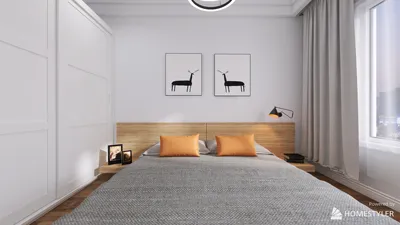


In a past project, I attempted to conceal an electrical box for a wall sconce behind an ornate plaster medallion. Initially, the homeowner was thrilled with the aesthetics, but we soon realized that this design choice made future wiring a challenge. This experience highlighted a crucial insight: in compact spaces, every electrical decision is intertwined with design considerations. Simple adjustments can lead to significant enhancements. In this article, I’ll present five practical solutions for selecting electrical boxes for wall light fixtures that I have successfully implemented in various projects.
1. Select the appropriate box depth for layered walls
Encounters with plaster, tile, or shiplap layers often push the fixture away from the stud plane. Utilizing a deeper or adjustable depth box ensures that the fixture sits flush, eliminating gaps. This method not only provides a polished finish but also ensures secure mounting. However, accurate measurement before purchasing parts can be tricky. A helpful tip is to measure the total thickness of the wall (including both substrate and finish) and add at least 1/4" to ensure clearance for wiring.
save pin
2. Opt for remodeling (old-work) boxes in retrofit scenarios
In situations where removing drywall isn’t feasible, old-work boxes that clamp onto the existing drywall are incredibly useful. I have salvaged numerous projects where homeowners were not willing to engage in demo, allowing for the installation of new sconces with minimal disruption. However, these boxes do have limitations, such as less wire capacity and slightly reduced stability compared to new-work boxes. Therefore, for heavier fixtures, I typically recommend opting for reinforced models.
save pin
3. Explore the benefits of metal boxes for grounded, code-compliant installations
Metal electrical boxes are my preferred choice when it comes to grounding and ensuring durability, particularly in bathrooms and high-traffic areas. They offer a sturdy mounting surface and can function as a grounding pathway if properly wired. While they may be heavier and require a bit more carpentry skill for installation, their long-lasting reliability compensates for the extra effort. If you’re uncertain about grounding procedures, it's best to consult a licensed electrician—safety should always come first.
save pin
4. Strategically plan box placement for both switch compatibility and aesthetics
The height at which you install the electrical box can significantly impact both the appearance and functionality of the light fixture. For living areas, I generally position sconces so that their center is approximately 60–66" above the floor; adjustments may be necessary for staircases or cozy reading corners to maintain optimal sightlines. Thoughtful placement helps avoid awkward toggle switches and simplifies wiring runs. For installations that require multiple switches, it is prudent to plan for a larger box upfront to prevent cramped wiring later on—I've learned this the hard way.
save pin
5. Utilize shallow pancake boxes for thin fixtures
For ultra-slim wall lights, a pancake (round and low-profile) box fits behind the fixture without adding bulk to the wall. These boxes are perfect for modern, minimalist fixtures, but one must be cautious of wire fill limits and the strength of the mounting. Occasionally, I combine a pancake box with a small mounting bracket to help distribute the weight—a bit of creative engineering can maintain a clean aesthetic while ensuring safety.
save pin
Helpful Hint:
In multiple projects, I relied on an online room planner to visualize wall light placements and electrical box locations early in the design phase—this not only saved valuable time on-site but also helped avoid costly rerouting.
save pin
Frequently Asked Questions
Q1: What size electrical box is suitable for a single wall sconce?
A: Most single-light wall sconces fit within a standard single-gang box; make sure to check the fixture’s volume requirements and confirm that the box complies with wire fill standards.
Q2: Is it possible to install a wall light without cutting drywall?
A: Absolutely—remodeling (old-work) boxes clamp to the existing drywall, enabling installation with minimal cutting, making them ideal for retrofit applications.
Q3: Are metal boxes necessary for wall lights in bathrooms?
A: They are not always mandatory, but metal boxes enhance grounding and durability. It’s essential to adhere to local electrical codes and seek advice from an electrician for wet areas.
Q4: How high should I mount a wall sconce in relation to the electrical box?
A: I typically center the fixture at 60–66" from the finished floor in living spaces; adjustments should be made according to sightlines and the specific design of the fixture.
Q5: What exactly is a pancake box, and when should it be used?
A: A pancake box is a shallow, round box ideal for accommodating thin fixtures; it should be used when wall thickness is limited, but be sure to verify wire fill and mounting needs.
Q6: Is it advisable to use an old-work box for heavier fixtures?
A: Old-work boxes typically offer limited support; for heavier fixtures, it’s best to select reinforced boxes or opt for new-work installations to ensure secure mounting.
Q7: Where can I visualize various box placements prior to construction?
A: I suggest using a room planner early in the design process to plan for sconce locations and wiring pathways; this approach minimizes unexpected challenges on-site. (Resource: https://www. Homestyler.com)
Q8: Where can I find reliable information on electrical box sizing and code requirements?
A: The National Electrical Code (NEC) serves as a definitive resource for box fill and installation guidelines—refer to the NEC for accurate and enforceable regulations.
save pin
Homestyler is your go-to online home design platform, perfect for both novices and experts. With an easy-to-use design tool, stunning 3D renderings, and a wealth of DIY tutorials, you can effortlessly create and visualize your dream spaces. Transform your home design journey today!
Zaprojektuj teraz za darmo
































