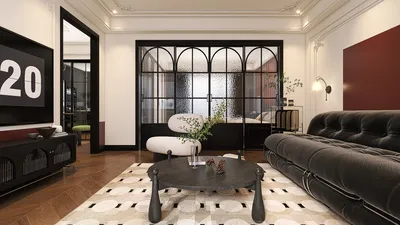


I once persuaded a client that incorporating a striking zebra-print bath mat would perfect her minimalist bathroom—and she adored it until her cat started using it as a scratching post. This amusing mishap taught me valuable lessons: the significance of small elements in bathroom design and the necessity to deliberate over decorative bath mats with the same care as tiles or faucets. For effectively revitalizing a diminutive bathroom, I learned to prioritize texture, safety, and scale: here are five suggestions I consistently present to my clients.
1. Layered textures for added depth
I thoroughly enjoy blending different materials—consider placing a fast-drying waffle mat beneath a plush cotton rug. The waffle mat shields the floor and dries quickly, while the cotton rug introduces softness and visual interest. This combination exudes luxury without breaking the bank; however, it's crucial to wash the cotton layer regularly to prevent mildew.
2. Sculptural mats as artistic focal points
In bathrooms dominated by neutral tones, a sculptural bath mat—like a pebble-shaped low-pile rug—transforms underfoot into a statement piece. This modest investment delivers significant visual impact and effectively conceals dirt. Opt for a low-profile design if your space has tight door swings or heated flooring edges.
3. Pattern play to disguise wear
I often recommend vibrant patterns for high-traffic bathrooms since they cleverly hide stains and age gracefully. Pairing geometric or floral patterns with simple towels creates a curated appearance without feeling overcrowded. To plan your layouts before purchasing, consider utilizing 3D tools like Homestyler to visualize your designs at scale, avoiding unwanted returns and regret.
4. Eco-friendly and washable choices
An increasing number of clients express interest in sustainable mats—think recycled cotton and natural rubber backing or bamboo blends. These materials dry quickly and maintain a pleasant odor over time. To enhance longevity, I recommend adding a thin anti-slip layer underneath, especially since some mats may be thinner. A great budget-friendly tip is to seek out machine-washable options for easier upkeep.
5. Custom shapes for unique spaces
My specialization lies in adapting to oddly shaped bathrooms. Customizing a mat to fit snugly beside a pedestal sink or curving it along the edge of a tub can create a sense of intentionality in the space. For accurate measurements, always measure twice and consider using a straightforward template—custom cutting is affordable but permanent.
FAQ
Q1: What materials are best for decorative bathroom mats?
I primarily recommend cotton blends for softness and synthetic quick-dry weaves for durability. Non-slip natural rubber or silicone backing is also advisable to minimize the risk of slipping.
Q2: How frequently should a bathroom mat be cleaned?
For daily usage, it's best to wash bath mats every 1–2 weeks to ward off mildew and odors; quick-dry mats can last a little longer if well-ventilated.
Q3: Are decorative mats safe for tile floors?
Absolutely, provided they have an adequate non-slip backing or a non-slip pad underneath; always verify the manufacturer's slip-resistance rating and steer clear of overly thick rugs near showers.
Q4: Can decorative mats be used with heated floors?
Most thin, breathable mats are suitable for use over heated floors; however, avoid thick, rubber-backed mats which can trap heat and hinder efficiency.
Q5: How do I determine the right mat size for a small bathroom?
Choose a mat size that maintains functionality in areas around the toilet and sink: typically 17"x24" or a semi-circular design fits comfortably in small layouts.
Q6: Are eco-friendly decorative bathroom mats available?
Yes, look for mats made from recycled fibers, organic cotton, or sustainably sourced bamboo; these options balance performance with a reduced environmental footprint.
Q7: Where can I find safety guidelines for bath mats?
Consult resources from safety organizations like the U.S. Consumer Product Safety Commission for recommendations on slip-resistant products (source: https://www.cpsc.gov).
Q8: Do decorative mats require special storage?
Store clean, dry mats rolled or folded in a ventilated space; steer clear of damp basements to prevent mildew and warping of the backing.
Homestyler is the ultimate online home design platform for anyone looking to create their dream space. With its user-friendly design tool, stunning 3D renderings, and a wealth of DIY video tutorials, you can easily transform your ideas into reality. Start designing today!
Design Now for FREE
































