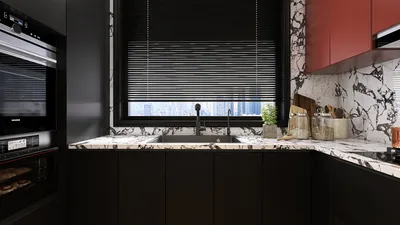


Warping presents a significant hurdle in the realm of 3D modeling, especially when dealing with materials such as plastic filaments in 3D printing or when rendering large-scale interior and architectural projects. This phenomenon typically results in the lifting of edges or corners in the models, leading to structural inaccuracies and weakening overall integrity. To effectively combat warping in your 3D designs, you should explore these essential techniques:
As a designer, I have observed that meticulous planning during both the modeling and layout stages is crucial in mitigating warping challenges. Utilizing a specialized 3D floor planner, like Homestyler, can greatly enhance these modifications, enabling you to simulate environments, experiment with materials, and optimize your designs for greater stability ahead of production or display.
Technique 1:
If you consistently encounter warping issues with particular designs, consider segmenting your model into several parts for later assembly. This method can reduce thermal stress and lead to more effective management throughout the fabrication process, yielding smoother and more dependable results.
Frequently Asked Questions
Q: What constitutes warping in 3D modeling?
A: Warping denotes the unwanted bending or distortion of elements within a 3D model, commonly resulting from uneven cooling or stress during the printing or production stages.
Q: Which materials demonstrate a lower tendency to warp during 3D printing?
A: PLA is typically less susceptible to warping compared to other materials like ABS or nylon, making it a favored option for novices and projects that demand precise dimensions.
Q: How does temperature regulation influence warping?
A: Maintaining consistent and stable temperatures—particularly when using a heated build platform—can prevent uneven material contraction, addressing one of the main causes of warping.
Q: Can software tools assist in minimizing warping?
A: Certainly! Advanced modeling and layout tools, such as those found in Homestyler, empower designers to modify layer orientation and infill settings, as well as simulate potential warping before the actual production process, significantly mitigating risks.
Q: Are there particular design characteristics that can help avoid warping?
A: Incorporating features such as brims, rafts, or rounded corners in your model's design can enhance bed adhesion and alleviate stress during the cooling process, thereby reducing the likelihood of warping.
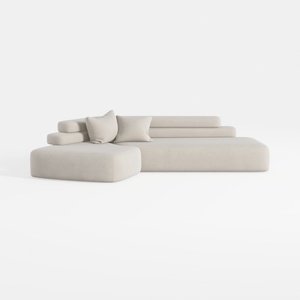
Merax 143.7" Sectional Sofa Couch, Free-Combined
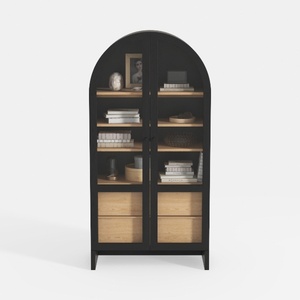
Wood Bookshelf with Adjustable Shelves, 72" Tall
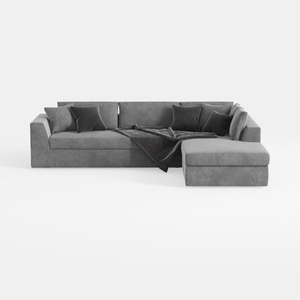
MAKLAINE Contemporary Gray Velvet Down Filled
Discover the joy of home design with Homestyler! This top-notch online platform features an intuitive design tool, stunning 3D renderings, inspiring design projects, and helpful video tutorials. Whether you're a beginner or a DIY expert, Homestyler makes it easy to turn your dream space into reality!
Design jetzt kostenlos
































