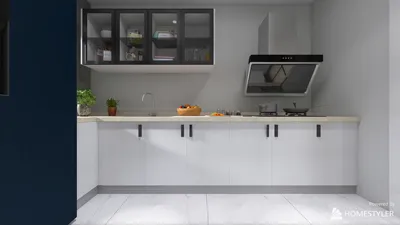


In a past project, I decided to adorn a small apartment's dining table with an oversized floral runner, believing my client when they claimed it would create a lush atmosphere. Instead, it overwhelmed the chairs, leaving my client embarrassed. This experience taught me that scale is crucial, often overshadowing the importance of pattern. As a result, I now kick off every project by envisioning the space to sidestep any major faux pas.
When working with compact areas, creativity flourishes. The decoration of a dining table presents a unique intersection where functionality meets individuality. Here, I will share five essential ideas I frequently implement in almost all my projects - they are straightforward, budget-friendly, and conducive to daily living.
1. Elegant Layered Centerpiece
My favorite type of centerpiece involves layering: a slender tray, a modest vase, and one artistic piece. This arrangement maintains open sightlines for conversation while imparting a curated aesthetic to the table.
The beauty of this option is its versatility; you can easily switch out a candle for a small vase. The only tricky part is balancing height: aim to keep most items below eye level for better visual connection between diners.
save pin
2. Stylish and Functional Storage Solutions
Incorporate appealing bowls, baskets, or a shallow box to neatly hold napkins, condiments, or mail. This not only looks deliberate but also minimizes clutter during meal times.
This method proves beneficial for organization and efficiency, but ensure you select materials that are simple to clean and will not stain. I have often opted for lacquered trays that effectively conceal debris while still looking great in photographs for clients.
save pin
3. Rotation of Casual Table Linens
I suggest maintaining a small selection of linens: a neutral tablecloth, one patterned runner, and a set of machine-washable placemats. Adjusting just one element can completely rejuvenate the table without overhauling the entire setup.
This approach is wallet-friendly and low in commitment. If you're considering proportions before purchasing, utilizing an interactive 3D tool like Homestyler can assist both me and my clients in visualizing how colors and textures interact within the space.
save pin
4. Lighting to Enhance Dining Experiences
Warm, soft task lighting positioned above the table enhances the dining experience significantly. A dimmable pendant light or a group of small pendants allows for heightened control during regular meals and special occasions.
Effective lighting can be transformative, but when dealing with older homes, wiring and fixture sizes can pose challenges. I frequently suggest using plug-in pendants or tabletop lamps as solutions when traditional rewiring is impractical.
save pin
5. Practical Yet Personal Touches
Include personal elements such as a stack of beloved cookbooks, a little herb pot, or a framed family picture. These details share a narrative while also serving practical purposes in daily life.
They help create a homey feel, but it's crucial to be cautious about spills and spatial needs—opt for items you can easily move when you require extra table space. In tighter kitchen-dining areas, I often draft a layout that is ready for meals, ensuring each accent has a designated spot.
save pin
FAQ
Q1: What are some simple centerpiece ideas for everyday use?
A basic yet elegant option is to use a tray with a low vase and a small bowl for keys or utensils. This setup is adaptable and simplifies serving.
Q2: How can I select table linens for a compact dining area?
Aim for lighter hues or subtle patterns, and steer clear of lengthy runners that encroach upon seating. Fabrics that are washable can make daily dining significantly easier.
Q3: Are candles appropriate for everyday decor?
While candles can add warmth, they must be used carefully: keep them short, away from flammable materials, and never leave them unattended. LED alternatives can provide a consistent source of ambient light without the risks.
Q4: What steps can I take to protect wooden tables from spills?
Placemats and coasters are key, along with promptly wiping up spills with a damp cloth. For frequent use, having a clear protective oil or finish applied by a professional can prolong the table's lifespan.
Q5: Which materials are safe for surfaces in contact with food?
Select non-porous, food-safe materials like glazed ceramics, glass, and stainless steel for items that will touch food. It’s essential to refer to official regulations regarding food contact materials for detailed information (Source: U.S. FDA, Food Contact Substances).
Q6: How often should I refresh my table styling?
Small seasonal updates every one to three months help keep your decor fresh, without the need for large investments. Simply changing napkins or the centerpiece’s color can give the table a new vibe.
Q7: Any cost-effective tips for styling on a budget?
Consider shopping secondhand for ceramics, repurposing kitchen jars as vases, and rotating existing items instead of making new purchases. I’ve discovered fantastic pieces at flea markets that have become client favorites.
Q8: Do accessories help in making a small table seem larger?
Absolutely: minimizing clutter, utilizing reflective materials like glass or metallic finishes, and ensuring clear sightlines across the table can significantly enhance the perception of space. Strategically placed mirrors or lighting can amplify this effect.
Homestyler's roots trace back to Autodesk, the global leader in design and engineering software. That heritage lives on in every feature we build. Today, with a community of more than 18 million users worldwide, Homestyler continues to make professional-quality interior design accessible to everyone — from first-time decorators to seasoned architects.
Discover your dream home design with Homestyler! This user-friendly online platform offers a powerful design tool, stunning 3D renderings, and a wealth of design projects and video tutorials. Whether you're a beginner or an expert, Homestyler makes transforming your space easy and inspiring!
Progetta ora GRATIS
































