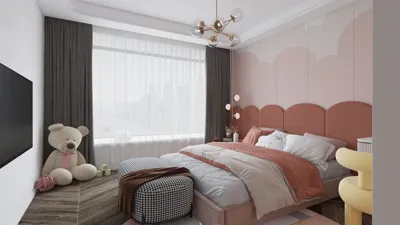


I've always regarded side tables as essential players in my living room, serving as anchors that maintain the room's rhythm, store daily necessities, and subtly showcase my style. The most effective designs skillfully balance proportions, utility, and space for movement, while blending with light, color, and acoustics. A good rule of thumb is to allow at least 18 to 24 inches between seating and the side table for easy accessibility and comfortable legroom. In open floor plans, I recommend a clear path of at least 36 inches to prevent congestion and disruptions.
The scale of a side table is just as important as its aesthetic. Research from Steelcase has shown a strong link between reduced clutter and improved ergonomics, leading to enhanced concentration and a sense of control in workspaces; this translates seamlessly into living areas. It's best to keep side table heights between 16 to 22 inches to match typical sofa arm heights (which are usually 24 to 26 inches high). Additionally, the WELL v2 guidelines advocate for easy access to commonly used items, reducing physical effort and strain. Adhering to these principles ensures that your side table remains functional without necessitating uncomfortable reaches or repetitive bending.
The lighting in a room establishes its mood. The Illuminating Engineering Society suggests providing between 10 to 30 footcandles in living spaces, frequently aiming for an ambient light level of 15 to 20 fc using warmer 2700 to 3000K bulbs to enhance woods and textiles while minimizing glare. If you have glossy or marble surfaces, position a table lamp a few inches away and opt for matte shades to minimize reflections. Colors also play an influential role in mood: according to Verywell Mind, hues like blue and green promote calmness and focus, whereas muted warm colors evoke a sense of comfort—keep these insights in mind when selecting finishes and accents for your side table.
Compact Side Tables for Small Spaces
In constrained environments, I prefer slim designs that can easily fit near seating, such as pedestal bases, C-shaped tables that can slide under cushions, and tripod configurations that don’t hinder foot traffic. A diameter of 14 to 18 inches provides ample space for a cup or book without encroaching on legroom. When designing compact layouts or assessing reach zones, utilizing a room layout tool, like Homestyler, can help visualize space and ensure smooth movement prior to making a purchase.
Nesting and Modular Designs for Versatile Living Spaces
Nesting tables are a fantastic option for spaces that transition between quiet nights and lively gatherings. Keep their heights staggered by 1.5 to 2 inches and mix different shapes—combining round with soft-square creates an appealing visual rhythm. For modular setups, prioritize sturdy assembly and anti-tip features. In multipurpose living areas, I place nesting tables alongside sectional sofas to maximize surface area without overwhelming the space; the smaller piece can easily be moved forward for guests and tucked back afterward to maintain open pathways.
Selecting Materials and Finishes: Durable, Inviting, and Eco-Friendly
The choice of materials significantly influences both the tactile and acoustic ambiance of a side table. Solid wood absorbs sound and brings warmth into the design; ash and oak are particularly durable, while walnut adds a rich depth in darker environments. Powder-coated steel contributes sleek visual lines and is built to last, though it’s best combined with textured rugs to soften acoustic vibrations. For a touch of luxury, marble and quartz should be sealed to prevent rings. If sustainability is a priority, look for FSC-certified wood or surfaces crafted from recycled materials. Matte finishes are effective in minimizing glare, especially near windows.
Height and Proportion: Ensuring Ergonomics
For comfortable reach, the top of the side table should be within ±2 inches of the height of the sofa's arms. If your sofa has low arms or lacks them altogether, opt for taller pedestal tables (20 to 24 inches) positioned slightly behind the seat line so that your hand can easily drop onto its surface. For deeper lounge seating, a greater diameter of 18 to 22 inches is advisable to avoid unstable balancing of cups. In family living spaces, round tables mitigate issues with sharp corners in areas of quick movement.
Smart Storage Solutions
Incorporating open shelves, drawers, and tray tops helps diminish visual clutter. A single soft-close drawer can discreetly store remotes and chargers, while a lower shelf can accommodate books or baskets. Keeping the overall footprint under 20 inches square in medium-sized rooms allows for better circulation. In tech-savvy homes, built-in cable management features or discreet grommets can help maintain tidy surfaces. In spaces that receive a lot of light, opt for darker shelf interiors to conceal visual distractions.
Styling Options: Modern, Classic, and Eclectic
Modern styles emphasize clean lines, concealed hardware, and minimalist geometries. Classic designs often feature turned legs and lovely wood grains, best paired with linen shades for an enduring charm. Eclectic spaces allow mixing materials—think rattan tops with metal bases or stone combined with timber—to create depth and texture. I often like to replicate existing design elements: if your sofa has curves, a round or soft-square table top enhances the coherence of the room's visual language; conversely, with angular furniture, a rectangular side table aligns with the aesthetic.
Implementing Color Psychology
The colors surrounding the side table can influence mood significantly. According to research done by Verywell Mind, shades of blue and green foster a serene atmosphere, while softer terracotta and warm grays promote relaxation. I often use color to create connections between different elements: a deep green lacquered tabletop can link various plants and upholstery, while a light oak finish harmonizes with natural light to maintain a breezy color palette. Reflectance values are crucial—mid-tones help avoid harsh contrasts and lessen visual strain.
Managing Light, Glare, and Comfort in Task Areas
Side tables frequently support lamps, so think of them as light stations. Aim for various lighting types: ambient light around 15 to 20 fc, task lighting at 30 to 50 fc in reading areas, and accent lighting set at 5 to 10 fc for highlighting artwork or cozy corners. Control glare effectively by utilizing diffusers and warm-white bulbs. If your living room benefits from large south-facing windows, it’s wise to steer clear of high-gloss black finishes that can reflect bright surroundings; instead, choose satin or open-grain finishes for a more inviting experience. Ensure cords are conveniently accessible yet out of walking paths.
Acoustic Considerations in Design
Hard surfaces amplify sound. If your living space features stone flooring and minimal fabric, opt for tables with wood or textured finishes while adding a woven runner to dampen sounds from placing items down. Metal leg caps with felt pads can protect floors and help absorb vibrations, while rounded edges can soften sounds when glassware is set down.
Placement Strategies for Various Room Configurations
In compact apartments, place one side table next to the main seating area and another floating beside a reading chair, ensuring at least 30 to 36 inches of clear space for walkways. For larger living rooms, arrange tables symmetrically at a sofa or asymmetrically by a sectional—one table at the end of the chaise and another near the corner seat. If experimenting with configurations, utilizing an interior layout planner, such as Homestyler, can help visualize reach and sightlines before moving furniture around.
Predicted Trends for 2024–2025
Emerging trends suggest a shift towards low-sheen finishes, biophilic color schemes, and mixed-height table clusters replacing singular large coffee tables. Sculptural bases made from authentic materials (like solid wood, natural stone, and recycled metals) are becoming increasingly popular. Integrated smart storage solutions—like hidden wireless charging and cable management—help maintain clean surfaces. Smaller, mobile pieces equipped with wheels or lightweight frames are ideal for the dynamic routines of modern homes.
Ensuring Maintenance and Longevity
It’s important to seal porous stone each year; always use coasters and promptly clean spills. For wooden tables, a gentle soap solution paired with periodic conditioning helps maintain their grain and color. Don't forget to tighten hardware seasonally to prevent wobbling. Powder-coated surfaces withstand chips, but still require felt pads for protection. With fabric-covered tables, opt for performance materials to enhance durability.
Design Workflow and Preliminary Testing
Before making a purchase, take measurements of seating heights, arm widths, and movement paths. Use painter’s tape to outline the intended footprint and test both traffic flow and door swings. If you're exploring multiple options, a room design visualization tool can help you preview their scale, shadow interactions, and placement in context.
Quick Selection Guide: Tips
- Ensure the top of the table aligns with the sofa arm by ±2 inches for easy reach.
- Select a diameter of 14 to 18 inches for compact spaces; 18 to 22 inches for deeper seating.
- Favor matte or satin finishes near windows to mitigate glare.
- Consider nesting tables for versatile hosting solutions.
- Use felt pads and rounded edges to enhance acoustic comfort.
- Maintain a clearance of at least 30 to 36 inches for walkways.
FAQ Section
Most side tables should ideally be between 16 to 22 inches high, coinciding with standard sofa arm heights (approximately 24 to 26 inches). Ensure the table top is within ±2 inches of the arm for a comfortable reach.
Maintain a distance of 18 to 24 inches between the edge of the seating area and the table for easy access, and 30 to 36 inches for main pathways to avoid collisions.
Durable options include solid wood and powder-coated steel. Stone tops are resilient but required proper sealing. For quieter environments, opt for textured or matte finishes to diminish glare and sound.
Absolutely. Just ensure that nesting tables have height differences between 1.5 to 2 inches, and slide the smaller one forward when hosting for easy use, then tuck it back to reestablish space.
Aim for an ambient light level of 15 to 20 fc in living areas and task lighting at 30 to 50 fc in reading spots. Utilize warm 2700–3000K lamps with diffusers to manage glare effectively.
Colors like blue and green foster tranquility; subdued warm tones promote comfort. Employ mid-tone finishes to eliminate harsh contrast and reduce visual fatigue.
Select tables with integrated grommets or hidden cable channels. Route cords along the rear edge and use felt clips to maintain tidy pathways.
Choosing round or soft-square table tops minimizes sharp corners, making them safer for fast-paced movement and play.
Seal porous surfaces annually, utilize coasters, and address spills promptly. Avoid acidic cleaning agents on marble.
Opt for a diameter of 14 to 18 inches to ensure there’s enough landing area without crowding seating.


Homestyler is your go-to online home design platform for effortless creativity! With its user-friendly design tool, stunning 3D renderings, and a wealth of inspiring design projects and video tutorials, you can easily transform your ideas into beautiful spaces. Dive into home design today!
Design Now for FREE
































