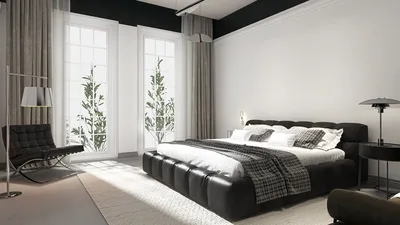


I view side tables as subtle yet effective solutions for design—compact, efficient, and capable of enhancing the ambiance of a living area without demanding too much attention. In limited spaces, considerations like dimensions, materials, height, and placement are often more significant than most people realize. When done correctly, a side table can enhance comfort, improve lighting balance, and create visual harmony while maintaining an open floor plan.
Data suggests that ergonomic research from Steelcase highlights that optimal reach zones for commonly used items should be within 14–18 inches from a seated person's shoulder line. This insight emphasizes the importance of selecting side tables that are within a comfortable reach to alleviate strain on posture. Additionally, the WELL v2 lighting guidelines encourage minimizing glare and placing ambient or task lighting at suitable heights—your side table frequently serves as the anchor for your lamp. These minor adjustments can significantly reduce visual fatigue and make the interior feel more purposeful.
Color psychology is another important aspect to consider. According to Verywell Mind, lighter colors can create an illusion of more space, while soft hues can decrease visual clutter. When choosing a side table finish for a small room, I focus on light-reflective and non-glare surfaces—offering just enough sheen to bounce light without creating an overwhelming glare. This careful selection maintains an airy and serene atmosphere in a compact living area.
Proportions That Work in Tight Spaces
I prefer side tables that align closely—within 1–2 inches—of the arm height of surrounding seating. This ensures that drinks remain stable and prevents unnecessary shoulder movement. For smaller sofas, with arm heights hovering around 22–25 inches, the ideal table height is typically between 20 and 24 inches. Depth is equally crucial; I lean towards 14–18 inches to ensure the table is practical without obstructing walkways.
In situations with limited layout options, I like to experiment with different setups before making a purchase: opting for a left-arm table only, using nested pairs, or utilizing a C-table that overlaps the seat edge. I also enjoy a drum side table that can double as a perch. If you want to visualize these choices, a layout simulation tool such as Homestyler can be incredibly helpful for testing reach, clearance, and lamp placement prior to buying.
Shapes and Edges: Flow Without Obstacles
In smaller rooms, corners can impede movement. Therefore, I prefer round or chamfered tables placed near high-traffic areas. Typically, a round table with a 16–18 inch diameter fits perfectly at sofa corners or between lounge chairs, providing sufficient surface space for a lamp and a drink while keeping legroom spacious. If your design necessitates a rectangular table, soften its appearance with rounded edges to mitigate its visual bulk.
Material Choices to Create an Airy Feel
Creating a sense of visual lightness is crucial in cozy drawing rooms. I typically follow one of three strategies:
For durability, I select finishes that are practical: catalyzed lacquer or hardwax oil on wood, powder coat on metal, and tempered glass for added impact resistance.
Smart Storage Solutions Without Bulk
Incorporating hidden storage can be a luxury in small spaces. Consider drum side tables with lift lids for stowing remotes and chargers, or opt for slim drawers that don’t intrude on knee space. I aim to keep the total table diameter within 18-20 inches when adding storage to avoid overwhelming the area. If clutter accumulates quickly in your home, consider a shallow drawer alongside an open shelf—store everyday items up top while displaying decorative books beneath.
The Relationship Between Lighting and the Side Table
Selecting the right lamp for your side table stabilizes the overall design. According to IES lighting guidelines, task lights should be positioned between 28–34 inches high (measured from the floor to the lamp’s light source when placed on the table) to facilitate reading without glare. If your seating is lower, consider a taller, slimmer lamp to direct light deeper into the space. A warm color temperature of 2700–3000K adds to the cozy ambiance of drawing rooms.
It's essential to manage glare: choose fabric or frosted shades and ensure that the lamp is positioned to shield the bulb from the seated eye level. This small adjustment can substantially enhance visual comfort in tight spaces where viewing angles are limited.
Understanding Color Psychology in Small Spaces
I tend to keep side table finishes within two distinct palettes: either tone-on-tone to blur visual boundaries or deliberate contrast to establish visual interest. For compact settings, tone-on-tone—light woods against soft walls or bronze against deep shades—tends to evoke a calmer ambiance, aligning with findings that softer contrasts minimize cognitive strain. If you seek contrast, limit it to one or two accent tables and maintain simple shapes.
Utilizing Pairs, Trios, and Nested Tables
Instead of relying on a single large table, consider two small round tables that can be separated when guests arrive. Nesting tables are perfect adjacent to chaise lounges, allowing for additional surfaces that stay within the aforementioned 14–18 inch comfort zone supported by Steelcase. I prefer one fixed table with a lamp and a movable C-table that slides over the sofa for convenient use.
C-Tables, Pull-Up Tables, and Versatile Stools
C-tables are excellent space savers: with a top width of 10–12 inches and a base that slides under the sofa, they ensure circulation paths remain clear. Pull-up tables with weighted bases can easily be maneuvered closer to you without wobbling. Short, sturdy ceramic or wood stools can also serve as side tables when guests need additional seating—just add felt glides to prevent floor damage.
Managing Acoustics and Surface Texture
Rooms with hard surfaces often feel noisier. If your drawing room features numerous reflective surfaces, balance this auditory effect with tactile side table finishes—such as leather-wrapped tops, ribbed wood, or matte ceramic—so the vignette does not contribute to the echo. While one table alone won’t solve acoustic issues, pairing it with a softly shaded lamp, a textured rug, and drapery can significantly reduce perceived noise and enhance comfort.
Small Space Styling Tips to Prevent Clutter
Ensure that tabletops remain at least 50% free for optimal function. I typically style surfaces with three items: a lamp, one sculptural piece, and a small dish or book. Aim for vertical displays (like a slender vase) rather than large trays that occupy too much reach space. Manage lamp cords along the rear leg using discreet clips.
Strategic Layout Tips That Enhance Functionality
• Position the sturdier table on the busier side of the room to protect against bumps.
• Place a diminutive 12–14 inch martini table between two lounge chairs to share a lamp.
• If the corner of your sofa restricts circulation, switch to a round 16 inch table or a C-table.
• Between the sofa and window wall, ensure at least a 24–28 inch pathway; adjust table sizes accordingly.
• In long and narrow rooms, prioritizing rhythm over scale by repeating two similar small tables rather than opting for a single large piece is often advisable.
Considerations for Households with Kids and Pets
Opt for rounded edges and stable bases. Avoid top-heavy lamps on petite tables. In dynamic households, consider materials like tempered glass, stone with smooth edges, and matte finishes which can hide fingerprints effectively.
Budget-Friendly Enhancements
Replacing standard knobs with solid brass hardware on drawer tables, adding a leather pad for wood protection, or placing a custom glass top on vintage wood tables can make for affordable, yet chic, modifications. These small changes can elevate the feel of economical pieces to bespoke.
Sourcing Tips Checklist
Dimensions: Aim for a diameter between 16–20 inches or an approximate square size of 14–18 inches; height should align closely with arm height within 1–2 inches.
Function: Ensure stability for lamps, provide at least 50% free surface area, and include an optional drawer or shelf.
Finish: Select low-glare, light-reflective materials without a high sheen; ensure the topcoat is durable.
Safety: Prioritize rounded edges, a stable base, and soft glides to protect flooring.
Flow: Maintain unobstructed circulation paths of at least 24–28 inches.
Further Reading and References
For insights into ergonomic reach and seating behavior, delve into the research from Steelcase. Additionally, for lighting considerations centered on human experience, the WELL v2 guidelines present practical recommendations related to glare management and circadian-friendly color temperatures.
Frequently Asked Questions
Q1: What’s the ideal height for a side table next to a sofa?
A: Aim for a tabletop height that is 1–2 inches below the arm height of the sofa—commonly between 20–24 inches for compact seating. This positioning helps maintain a neutral posture and reduces shoulder lift.
Q2: How close should a side table be for comfortable reach?
A: Keep frequently accessed items within approximately 14–18 inches from where you're seated at shoulder height. This distance aligns with ergonomic principles regarding comfortable reach.
Q3: Are round or square tables better for a small drawing room?
A: Round tables tend to facilitate movement more easily, avoiding snagging corners. Utilize square or rectangular tables only in areas where they will not disrupt flow, and make sure to choose softened edges.
Q4: What lamp size works best with a compact side table?
A: A lamp with a shade diameter of 10–14 inches is suitable for tabletops that are 16–18 inches wide. The light source should be placed about 28–34 inches from the ground to minimize glare while reading.
Q5: How can I avoid visual clutter on small tabletops?
A: Keep a substantial portion of the surface clear. Style with three items: a vertical object, a catchall dish, and a lamp. Opt for fewer, larger books rather than numerous small items to reduce clutter.
Q6: Are glass or acrylic tables practical?
A: Yes, provided they're tempered and accompanied by a stable base. These materials visually recede, contributing to an illusion of larger space. Choose low-reflective finishes nearby to control glare.
Q7: Can a side table offer real storage in a tiny space?
A: Opt for drum tables with lift-lids or slim drawers sized 16–20 inches in diameter. Focus on easily accessible, shallow storage to ensure space isn't compromised.
Q8: How many side tables are ideal for a small drawing room?
A: Typically, two smaller tables are more effective than one larger one. One can support a lamp while the other can function as a C-table or additional surface during social gatherings.
Q9: Which finishes are recommended for homes with kids or pets?
A: Select matte or low-gloss finishes that can conceal fingerprints effectively. Materials like tempered glass, coated metal, soft-edge stone, and sealed wood are optimal choices. Avoid top-heavy designs.
Q10: What’s a quick method for testing layouts before making a purchase?
A: Absolutely—use painter’s tape to outline dimensions on the floor and confirm reach and pathways. For a digital alternative, explore an interior layout tool like Homestyler to help visualize clearances, lamp height, and sightlines.


Bohemian Rattan Glass Top Side Table 3D Model
Minimalist Japandi Oak Rattan TV Cabinet 3D Model

Minimalist Solid Oak Carved Round Side Table 3D Model
Homestyler is your ultimate home design companion! With its easy-to-use online design tool, stunning 3D renderings, and a wealth of inspiring DIY video tutorials, you can effortlessly transform your space into a dream home. Dive into a world of creativity and start designing today!
Progetta ora GRATIS
































