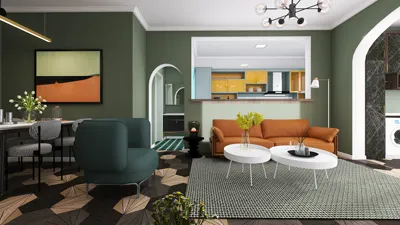


I once suggested a striking kilim rug for a client's small dining nook, but I overlooked the chair movement needs. By the second week, all four chair legs were off the rug, prompting the client to refer to it as "modern levitation." This experience taught me to always check proportions before getting enamored with a beautiful pattern. Nowadays, I utilize quick planning previews with Homestyler to help clients visualize their dining layouts, ensuring they avoid issues like floating chairs or rugs that are too small.
1. The Classic Rectangle — Anchor the Table
I rely on a rectangular rug when it's crucial for chairs to have a solid area to land. This setup creates a defined frame around the table and maintains predictable traffic patterns. While this provides a neat, formal appearance that conceals crumbs effectively, it's essential to size it correctly—ensuring at least 24 inches of rug extends beyond each chair leg, so they don't catch the edge when pulled out.
2. Round Rug Under a Round Table — Soften the Corners
Round rugs are my top choice for circular tables in smaller spaces since they complement the table’s shape and enhance flow. These rugs give the space a curated feel, although patterned round rugs can be a bit challenging to center perfectly—so it’s wise to measure more than once and align them with the room rather than just the chandelier.
save pin
3. Layered Rugs — Texture Without Commitment
Combining a sisal base with a smaller patterned rug on top adds warmth and style without needing a complete replacement. This is an excellent budget-friendly trick I've applied in rental makeovers. You can conveniently preview rug sizes in 3D using tools like Homestyler, allowing you to see how layers affect the overall scale before making a purchase, which saves time and prevents returns.
save pin
4. Runner + Table — Long, Narrow Dining Setups
In galley kitchens or banquette seating, placing a runner under the length of the table creates continuity and safeguards a narrow traffic route. This setup is practical and visually elongates the room. However, opt for low-pile, stain-resistant materials since runners endure heavy foot traffic and are susceptible to spills.
save pin
5. Pattern Play — Let the Rug Be the Star
When your walls boast a tranquil hue, I often recommend a bold rug to inject character into the space; patterns can effectively conceal stains and create a designed look. The key here is finding the right balance in scale—oversized motifs can be overwhelming while too-small designs may clutter the space. I also create mockups using Homestyler to determine if clients prefer a rug that stands out or one that subtly supports the furniture before refining our options together.
save pin
Tips 1:
Heads up for budgeting: natural fibers like wool typically last longer but might be more expensive; synthetic options handle stains more easily but may flatten over time. A practical tip is to tape the rug outline on the floor for a few days to get a feel for the size before finalizing your purchase.
save pin
FAQ
Q1: What rug size should I get for my dining table?
Ensure there’s at least 24 inches of rug extending beyond the table on all sides for comfortable chair movement. For round tables, a good guideline is to add 48 inches to the table diameter.
Q2: Can I use a rug in a small dining nook?
Absolutely—a well-sized rug not only defines the nook but also prevents the table from looking like it’s floating. Choose low-pile materials to facilitate smooth chair movement and reduce visual clutter.
Q3: How do I clean dining rugs with frequent spills?
Select stain-resistant materials like polypropylene or treated wool and blot spills immediately. For deep cleaning, adhere to the manufacturer’s recommendations or engage professional cleaning services annually to prolong the rug's lifespan.
Q4: Are patterned rugs better than solid ones?
Patterns are great for hiding crumbs and minor stains, making them suitable for dining spaces. However, if your furniture and walls are already visually busy, a solid or subtly textured rug can help balance the space.
Q5: Is it acceptable to layer rugs under a dining table?
Layering rugs can enhance texture and protect the floor, but ensure the top rug is sufficiently large so that chairs remain on it when pulled out. I frequently combine a robust base with a decorative top to offer flexibility.
Q6: How much should I budget for a dining rug?
Anticipate spending more on natural fibers and custom sizes; a decent wool rug generally has a mid-range cost, while synthetic options are more affordable. Remember that an investment in quality can save replacement costs in the future.
Q7: Where can I preview rug placement before buying?
You can map out rug placements using online planners or mockup tools like Homestyler, which helps you avoid sizing mistakes. Many of these platforms allow you to visualize rugs in your room, helping you adjust proportions and patterns in context.
Q8: Are there any professional standards or guidelines I can follow?
The American Society of Interior Designers (ASID) provides practical resources on space planning and proportions. Their guidelines are effective for determining clearances and circulation in dining areas (https://www.asid.org). It's also advisable to test layouts in-situ before making final decisions.
save pin
Built on technology originally developed at Autodesk, Homestyler empowers anyone to design beautiful, realistic spaces in minutes. Join over 18 million users who have already discovered a smarter way to plan, visualize, and bring their dream homes to life — all from the comfort of a browser.
Homestyler is your go-to online home design platform! With its user-friendly design tool, stunning 3D renderings, and a wealth of DIY video tutorials, you can effortlessly create and visualize your dream space. Transform your interior ideas into reality today!
Design jetzt kostenlos
































