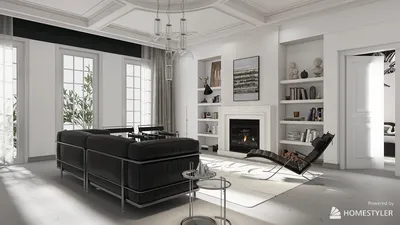


I once made the blunder of installing a picture light upside down in a hallway for a client, resulting in the bulb shining directly at the frame like a small sunlamp. It was a humorous moment that taught me a valuable lesson: even the simplest fixture can significantly influence a space, particularly in compact homes where each detail matters. Working with small areas indeed inspires immense creativity, and utilizing lighting art to enhance a room is one of my favorite methods.
1. Adjustable picture lights
For framed prints, my top choice is a sleek adjustable picture light mounted above the artwork. This approach provides even illumination and minimizes glare when angled properly. The benefit lies in its focused light and timeless design. However, wiring can pose a challenge for a hardwired setup; battery-operated alternatives are available, but they require some upkeep.
save pin
2. Track lighting with swivel heads
When it comes to gallery walls or changing displays, track lighting offers exceptional versatility. I incorporated this into a narrow living room, allowing for seasonal art swaps; each head can be directed precisely. This setup is excellent for layering light, though the industrial look of tracks can be softened by pairing with warm bulbs or by painting them to match the surroundings.
save pin
3. Recessed accent lights
Recessed ceiling spots create a minimalist and sleek appearance, perfect for showcasing art without additional fixtures. I previously renovated a small condo where recessed lights not only elevated the corridor's height perception but also provided elegant spotlighting on the artwork. A key consideration is to carefully plan their placement to avoid casting awkward shadows.
save pin
4. Wall washers and linear LED strips
Using wall washers and narrow LED strips positioned behind floating shelves, you can achieve gentle, uniform lighting for larger pieces. I once illuminated a sizeable abstract art piece with a warm LED strip behind a mid-century credenza, making it glow beautifully. These options are energy-efficient and subtle, but it's crucial to select quality strips to prevent noticeable hotspots or color inconsistencies.
save pin
5. Picture lamps with dimmers
Dimmers are often overlooked -- pairing a picture lamp with a dimmer allows for mood adjustments and protects delicate pieces from constant bright lighting. I suggested this solution to a client with vintage posters, which helped to preserve their vibrancy and created a warm evening atmosphere. However, this may come with slightly higher costs due to the need for dimmable drivers or compatible bulbs.
save pin
Tips 1:
Practical advice includes angling lights at roughly 30 degrees to reduce glare, opting for CRI 90+ bulbs for accurate color rendering, and matching color temperature to the desired ambiance of the room (2700K–3000K for a warm feel, 3500K for a neutral tone). A quick planning technique I often use is sketching the artwork within my room layout, a small habit that can prevent significant issues later on. If you're interested in experimenting with layout before making any commitments, consider using a 3D floor planner like Homestyler to visualize the positions of lights and the resulting shadows.
save pin
FAQ
Q: What wattage should I use for picture lights? A: Aim for bulbs rated to achieve approximately 50–100 lux on the artwork, which often translates to using a low-wattage LED with high lumen output and a CRI of 90 or higher, giving bright, true colors without excessive heat.
Q: How far should a light be from the artwork? A: Aiming for approximately 30 degrees from the vertical and positioning the fixture to center the beam on the artwork is ideal; the distance will vary based on beam spread—narrow beams require closer placement.
Q: Can LED lights harm art? A: High-quality LEDs produce minimal UV light and heat, making them safer alternatives to incandescent bulbs; nevertheless, it's wise to utilize lower intensity and avoid continuous exposure to high output on sensitive pieces.
Q: Should I hardwire my picture lights or use plug-in units? A: Hardwiring offers a cleaner aesthetic suited for permanent displays, while plug-in or battery-powered options are more flexible for renters. Hardwiring will require thorough planning and potentially an electrician's help.
Q: How can I avoid hotspots on frames? A: Utilizing diffused fixtures or wider beam angles is effective, and positioning lights at the suggested 30-degree angle is crucial; employing wall washers and linear LEDs is excellent for achieving even illumination across surfaces.
Q: What color temperature should I select? A: Generally, 2700K–3000K delivers a warm, inviting look, while 3500K provides neutrally accurate tones. Ensuring consistency in color temperature across fixtures helps prevent unexpected contrasts.
Q: Is it acceptable to place lights over glass-framed art? A: Absolutely, but be sure to use angled fixtures and matte or anti-reflective glass to minimize glare. It's beneficial to experiment in varying light conditions before settling on the final layout.
Q: Are there reliable lighting standards available? A: Indeed, the IES (Illuminating Engineering Society) offers valuable recommendations for gallery and display lighting. Their technical insights are widely acknowledged among professionals for accurate measurement and safety in illumination (source: Illuminating Engineering Society).
save pin
Homestyler is your go-to online home design platform, perfect for anyone looking to create stunning interiors. With its user-friendly design tool, impressive 3D renderings, and a wealth of DIY video tutorials, you can effortlessly transform your vision into reality. Start designing today!
Diseño ahora GRATIS
































