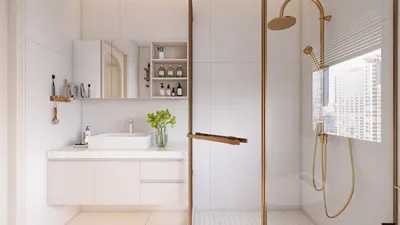


In my experience, I once painted a studio apartment in a vibrant shade that I adored—only for the client to later request a more subdued tone. This taught me an important lesson: a small paint swatch can look vastly different from a full wall in various lighting conditions. Before selecting a color, take measurements of your space and note the direction of your windows to ensure the color acts as you anticipate. Designing small areas require both boldness and caution, and here are five practical design inspirations that I frequently utilize.
1. Let Natural Light Lead Your Choice
Before diving into paint selections, I always assess both natural and artificial lighting. Rooms that face north might need warmer or more vibrant colors to avoid feeling too chilly, whereas south-facing spaces can accommodate lighter, cooler tones. Keep in mind that lighting changes throughout the day, so be sure to test color samples in the morning and evening to avert any unexpected results.
2. Begin with a Signature Item
Select a rug, piece of art, or furniture that catches your eye and assemble a color palette around it. This strategy keeps your space cohesive and simplifies color selection, as you're coordinating with an actual object rather than speculating. It's also budget-friendly; upgrading a single key piece is often easier than repainting the entire room later.
3. Test Large Before Small
Always apply sizable patches of paint on the wall itself (or on movable boards) and live with them for several days. In kitchens, where the interaction between light and cabinetry can influence perception, consider how your selected color harmonizes with countertops and backsplashes prior to making a commitment. I often utilize visual mockups to guide clients when selecting colors for kitchens. Samples can highlight undertones and flaws early on, although they do require additional time.
4. Align Finish with Use
Matte finishes can obscure imperfections but are prone to staining; satin and eggshell finishes work well in living areas; semigloss is typically a sensible choice for trim and kitchens. I advise clients that the sheen impacts how color is perceived—a high-gloss finish highlights color vibrancy but also emphasizes wall imperfections. Budget-wise, while higher-gloss paints tend to be more expensive, they can be easier to maintain in high-traffic areas.
5. Employ a 3D Preview to Visualize
When you’re uncertain, visualizing your choices can be immensely helpful. I often create quick 3D mockups to help clients see how a color appears under different lighting conditions and alongside their furnishings. This approach can help avoid regrets and costly repaint jobs. If you're keen on visualizing how a palette interacts from various perspectives, consider utilizing Homestyler to experiment with real furnishings in a 3D setting. However, remember that digital representations can slightly differ from actual paint, so it's wise to use physical samples in conjunction.
FAQ
Q1: What’s the simplest method for choosing a color for the living room?
A1: Begin by assessing the light exposure and a signature item, then test paint samples on the wall for several days. Observe the patches at different times to gauge their actual performance.
Q2: How many paint samples should I explore?
A2: I suggest narrowing it down to 3–5 options—the fewer choices make for a more manageable decision process, while more options can lead to greater clarity. Start by eliminating samples that clash with fixed components like flooring and cabinetry.
Q3: Do different sheens affect the color?
A3: Yes, sheen can alter reflectivity and perceived depth. A color in eggshell finish will appear softer compared to the same color in semigloss, so it's important to test different sheen levels if the final appearance is a concern.
Q4: Can smaller rooms accommodate darker tones?
A4: Certainly—dark colors can impart a cozy depth when paired with lighter trim or strategic lighting. Just be mindful that they may highlight imperfections more, so ensure that walls are well-prepped.
Q5: How can I account for undertones?
A5: Compare your samples with neutral elements like white trim or wooden floors to identify warm or cool undertones. Viewing samples side-by-side is the quickest way to uncover subtle nuances.
Q6: Are trendy colors safe to incorporate?
A6: Trends are ideal for accents; when it comes to permanent selections like cabinetry or main wall colors, it's wiser to choose timeless palettes. If you're drawn to a trend, apply it on a feature wall or through accessories to test its longevity.
Q7: Where can I find reliable color trend forecasts?
A7: Companies like the Pantone Color Institute release yearly forecasts and explanations—visit Pantone Color Institute (pantone.com) for insights on how cultural shifts shape color choices.
Q8: How do I reduce repainting expenses?
A8: Invest in quality primer, conduct thorough tests, and select a color palette that complements most of your current finishes. Allocating extra resources toward samples and preparation can save significantly on future repainting costs.
Homestyler is your go-to online home design platform, perfect for bringing your vision to life! With its user-friendly design tool, stunning 3D renderings, inspiring design projects, and helpful video tutorials, you can create and customize your dream space effortlessly.
Design Now for FREE
































