


I source heaters for clients residing in varied climates and for rental properties that experience intensive winter usage. While comfort is a fundamental requirement, key differentiators are energy efficiency, safety features, and how the heater accommodates daily routines—whether it’s warming up in the early morning, creating concentrated workspaces, or facilitating a relaxing evening without causing dry air or hot spots. In both living rooms and bedrooms, I favor heaters that produce a balanced, low-glare warmth to create a natural and peaceful environment, enhanced by tools like Homestyler for optimal layout planning.
Research across workplace and residential settings identifies thermal comfort as a vital factor, alongside lighting and acoustics, in ensuring user satisfaction. According to Steelcase's findings, control over temperature and sound levels significantly influences perceptions of productivity. WELL v2 guidelines advocate for adjustable thermal controls with temperature settings that cater to most occupants' preferences (approximately 68–75°F during heating season, depending on the activity). My selection of heaters aligns with those recommendations while also utilizing sound benchmarks to maintain noise levels below 40–45 dBA in bedrooms. Additionally, WELL recommends reducing drafts and regulating humidity; portable heaters should enhance rather than disrupt your central heating and ventilation.
When integrating color and light into the setting, warm white ambient lighting (2700–3000K) psychologically enhances the perception of warmth, with sources like VerywellMind linking warm colors to feelings of comfort and coziness. I pair this lighting with heaters that provide uniform heat distribution, ensuring that visual warmth is matched by physical comfort. Ergonomic controls must be easily accessible and visible at a glance—small usability enhancements can greatly reduce the risks of unsafe adjustments.
Essential Heater Types and Their Optimal Usage
I categorize Sunflame-style room heaters into four functional groups: convection, radiant, ceramic, and oil-filled heaters. Each type is suited to specific room dimensions and usage habits.
Convection heaters circulate warm air throughout the room, making them ideal for medium to large spaces where consistent, whole-room heat is needed. Look for models with adjustable thermostats and fan-assisted convection for quicker warm-ups. In open living spaces, I design seating and pathways carefully to avoid direct airflow on people, as thoughtful positioning can minimize complaints of dry eyes and drafts. For layout optimization or testing furniture-to-heater distances, utilizing a layout tool like Homestyler can effectively visualize airflow paths and ensure safe clearance areas.
Radiant heaters are perfect for targeted heating and quickly providing warmth in personal spaces like reading nooks, home offices, or dressing areas, as they directly warm objects and individuals. I recommend them for brief sessions, complemented by soft textiles to help absorb and redistribute heat. It’s advisable to avoid aiming radiant heaters at reflective surfaces or exposed plastics to reduce glare and localized overheating.
Ceramic heaters are compact, energy-efficient, and generally safer due to their self-regulating ceramic elements. They are my preferred choice for small rooms or desk areas, providing rapid heating with moderate energy consumption. Additionally, quieter models maintain acoustic comfort, which is important when working or sleeping in close proximity.
Oil-filled heaters deliver consistent, low-noise warmth paired with excellent thermal inertia, making them excellent for use in bedrooms and nurseries. Their warmth continues to radiate even after being turned off, preventing rapid temperature fluctuations that disrupt sleep. Although their surface temperatures are generally lower than many radiant types, maintaining appropriate clearances remains essential.
Determining the Appropriate Wattage and Coverage
A general guideline suggests around 10 watts per square foot for spaces with average insulation: a 1500W heater can cover approximately 150 sq ft. Older properties with drafts may require greater wattage, whereas well-insulated spaces may need less. I evaluate a room’s responsiveness by running the heater until the target temperature is achieved and timing the warm-up duration—rapid increases often indicate an oversized unit or overly direct airflow. WELL v2 cautions against thermal discomfort due to radiant asymmetry, so placing high-intensity radiant heaters too close to seating should be avoided.
Safety and Compliance Considerations
Key safety features I prioritize include tip-over protection, overheat shutoff mechanisms, a stable base, cool-touch housing (or guarded grills), UL/ETL certification, and effective cord management. For homes with children or rentals, I implement locked thermostats or child safety modes. Additionally, I maintain a minimum of 3 feet of clearance around combustibles and keep heaters off rugs. Ergonomic controls that are large and tactile help minimize misadjustments. In shared spaces, I align with WELL v2 thermal guidelines and IES comfort recommendations to reduce glare and visual strain—avoiding direct exposure to glowing elements for occupants.
Noise, Illumination, and Behavioral Comfort
Quiet heaters are particularly vital in bedrooms and home offices. Targeting noise levels under approximately 40 dBA is a good standard; fan-only convection units may be noisier, so I recommend choosing those with quiet operation modes. Visually, I avoid exposed red-hot components, as they can detract from comfort and alter mood. Warm ambient lighting combined with matte finishes can create a soothing atmosphere. I place heaters strategically away from reflective surfaces to lessen perceived brightness and avoid visual chaos.
Energy Efficiency and Operating Costs
Seek out features like programmable thermostats, eco-friendly modes, and adaptive heating cycles. To optimize daily usage, consider timers that limit operation to peak hours, helping to reduce expenses without sacrificing comfort. I pair portable heaters with weather stripping on doors and windows; sealing gaps often proves more effective than simply increasing wattage. In smaller home offices, using radiant spot heating can allow for lower central heating while maintaining warmth in the occupied area—beneficial for energy budgeting and focus.
Placement Strategies and Safety in Layout
Effective placement is crucial. Ensure heaters are positioned away from drapes, furnishings, and pathways. I safeguard corners where children often play and arrange units perpendicular to seating arrangements to avoid direct heat exposure to legs and faces. When evaluating furniture arrangements or simulating airflow and sightlines around heaters, utilizing an interior layout planner like Homestyler can help map out clearances and create balanced, inviting zones.
Materials, Sustainability, and Maintenance
I recommend metal housings with powder-coated finishes to resist heat damage and scratches. Reusable filters and easy-to-clean intake grills help maintain steady performance and minimize dust burn smells. For sustainability, prioritize durable construction, repairable components, and appropriately-sized wattage. Regular cleaning, quarterly inspections of cords and plugs, and avoiding extension cords will maximize both longevity and safety.
Understanding Color Psychology and the Perception of Warmth
Soft neutral tones, warm wood textures, and fabrics in earthy colors like ochres and terracottas can foster a sense of coziness, making cooler temperatures feel more comfortable. According to VerywellMind's studies on color psychology, warm colors, particularly reds and oranges, are associated with energy and warmth; I utilize these thoughtfully to maintain a calming ambiance. When coupled with an evenly distributing heater, a warm color scheme allows you to lower the thermostat slightly without compromising comfort.
Essential Features to Look for in Sunflame Products
- Digital thermostatic control for accurate temperature regulation.
- Multiple operation modes (low, medium, high, eco).
- Protection against tip-over and overheating, with UL/ETL certifications.
- Quiet operation features, particularly important for bedrooms.
- Uniform heat distribution (oscillation for convection units, appropriate fin counts for oil heaters).
- Sturdy base; sufficient cord length to avoid tripping hazards.
- Matte, low-glare exteriors and user-friendly controls.
Room-Specific Guidance
- Living Areas: Opt for convection or oil-filled heaters for even warmth throughout the room. Utilizing eco mode can help smooth out heating cycles.
- Bedrooms: Oil-filled heaters are ideal for quiet nights; position them away from beds and curtains.
- Home Office: Choose ceramic or small radiant heaters for focused warmth; keep noise levels low to facilitate calls and concentration.
- Entryways/Mudrooms: Implement quick bursts of radiant heat, using timed runs to efficiently dry wet gear without causing overheating.
Frequently Asked Questions
The general guideline is about 10W per square foot for typical insulation. A 1500W heater is suitable for around 150 sq ft. In well-insulated spaces, you may select a slightly lower wattage; spaces with drafts may need additional power.
During the heating season, aim for indoor temperatures generally between 68–75°F, based on activity levels and attire. This recommendation aligns with the comfort guidelines outlined in WELL v2.
Such heaters are an excellent option: they operate quietly, provide stable heat, and maintain lower surface temperatures compared to many radiant units. Always ensure proper clearances and include safety measures like overheat and tip-over protection.
Absolutely. Fan-assisted models can circulate dust; it’s crucial to clean filters and grills regularly. Maintain humidity levels (typically 30–50%) to prevent excessively dry air and avoid positioning heaters where they blow directly into occupied breathing spaces.
Implement tip-over shutoff features, cool-touch housings or guards, stable bases, child locks, and organized cord management. Place heaters strategically away from play areas and textiles.
For quieter environments, select heaters designed for silent operation, steering clear of high fan settings, and ensure they are situated on solid flooring (to minimize vibrations). Aim for noise levels of under 40–45 dBA in restful areas.
Using convection units with oscillation can improve heat distribution and eliminate hot spots. It’s a worthwhile investment for larger rooms or in cases where multiple seating areas require coverage.
Yes, employing warm white lighting (2700–3000K) in conjunction with a warm color scheme can elevate the perception of warmth. Studies in color psychology demonstrate that warm shades positively influence comfort; utilize them to promote lower energy consumption settings.
Leverage portable heaters to develop micro-zones, keeping central heating settings modest while warming specific areas. This strategy can enhance comfort levels and lower energy consumption in partially occupied rooms.
Maintain a minimum distance of 3 feet from draperies, sofas, and bedding. Avoid direct lines of sight between radiant units and seating areas while ensuring clear walkways. Utilizing a room design visualization tool can assist in mapping out safe distances.
Ensure compliance with UL or ETL safety standards, providing clear measures against overheating and tip-overs, as well as reliable cord safety practices. Where feasible, align with WELL v2's thermal comfort strategies.
Regularly clean dust from intake grills during the busy seasons, inspect cords every few months, and store heaters properly when not in use. Replace filters according to the manufacturer's recommendations when applicable.
What began as an Autodesk innovation has evolved into a design platform used by more than 18 million people around the globe. Homestyler combines powerful rendering, an intuitive editor, and a vast furniture library to help you turn inspiration into photorealistic designs — whether you're redesigning a single room or planning an entire home.


Modern Japandi Solid Wood Rattan Coffee Table 3D Model
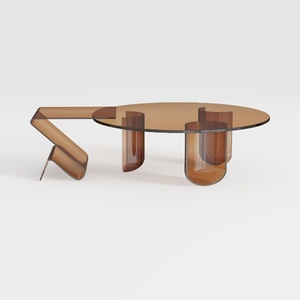
Modern Minimalist Amber Acrylic Glass Coffee Table 3D Model
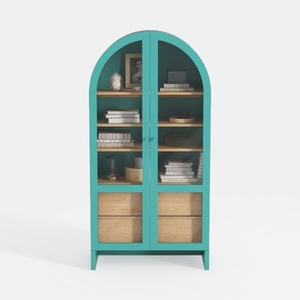
Modern Teal Solid Wood Arched Display Cabinet 3D Model
Homestyler is your go-to online home design platform! With its user-friendly design tool, stunning 3D renderings, and a treasure trove of design projects and video tutorials, creating your dream home has never been easier. Start your design journey today!
Projete agora para LIVRE
































