

I've designed numerous compact living spaces where maximizing every inch is crucial. Optimal results often arise from furniture that combines flexibility, aesthetic lightness, and ergonomic support without obstructing movement. In smaller apartments, my focus is on multi-functional furniture, slim profiles, and materials that enhance acoustics and reflect natural light, ensuring the room feels open rather than confined. A tool like Homestyler can assist in visualizing these arrangements.
Space extends beyond mere square footage; it entails how effectively a room facilitates normal activities. Research from Steelcase indicates that environments that adapt well can enhance perceived effectiveness of tasks by 32% (Workplace Research, adaptive environments). According to WELL v2, maintaining clear pathways of at least 36 inches is vital for safe and accessible movement. In compact living areas, I propose allowing 30-36 inches in tighter spots while striving for a 60-inch turning radius wherever feasible to promote inclusivity (WELL v2 Accessibility & Movement). For managing glare and proper task illumination, I adhere to IES recommendations for layered lighting, which reduces eye strain and enhances comfort.
The impact of color psychology cannot be overlooked. According to Verywell Mind, soft blue and green tones can minimize visual clutter, while warm neutrals contribute coziness without constricting the space. In small living rooms, I prefer mid-tone walls, light-colored rugs, and low-sheen finishes to help control glare and enhance the perception of depth.
Essential Guidelines for Small Living Room Furniture
- Focus on dual-purpose items: for example, an ottoman that serves as storage and a coffee table, a sleeper sofa, nesting side tables, or a console that functions as a desk.
- Opt for furniture with legs: open bases create sightlines under sofas and chairs, visually increasing the apparent floor space.
- Select sofas with slender arms and tight backs: this design minimizes bulk yet maintains adequate seating space and ergonomics.
- Ensure height consistency: a uniform horizon line made up of sofa backs, credenzas, and window sills helps decrease visual clutter and establishes a serene atmosphere.
- Position furniture slightly off the walls: just a bit of space enhances airflow, acoustic performance, and accessibility, avoiding the feeling that furniture is glued to the walls.
- Employ layered lighting: combine a dimmable floor lamp, a task lamp by seating areas, and warm ambient lighting to create a balanced brightness that avoids glare.
Top Sofa and Seating Choices
- Loveseats or compact sofas (68–78 inches): the ideal size for accommodating two to three people without overwhelming the space. Aim for a depth of 32–36 inches, with tight-back cushions and slender arms.
- Armless or slipper chairs: these designs reduce the appearance of bulkiness and facilitate quick rearrangement for guests.
- Bench cushions: opting for a continuous cushion delivers a sleeker look and makes smaller sofas appear more spacious.
- Modular chair-and-a-half: this generous seating option can replace two smaller chairs, thus enhancing comfort and flow.
Intelligent Coffee Tables and Centerpieces
- Nesting tables: can be separated for serving or combined to maintain an open central area.
- Lift-top coffee tables: they can serve as a casual dining surface or laptop station; selecting rounded edges is wise for safety in tight spaces.
- Storage ottomans: with soft edges and concealed storage for throws, plus the versatility to provide extra seating.
- Round tables (28–34 inches): enhance movement flow compared to square designs and give a softer appearance in compact layouts.
Efficient Storage Solutions
- Low credenzas (12–16 inches deep): maintain storage along a consistent horizontal line and can also serve as a media console.
- Wall-mounted shelves: staggered or irregular placements create a rhythmic display; maintaining at least 18–24 inches above a console allows for breathing room.
- Slim bookcases with open backs: introduce texture without closing off the room's visual space.
- Concealed storage: side tables with drawer compartments, slim bins beneath sofas, and ottomans with lift tops can all help reduce visual clutter and enhance sound absorption.
Rugs, Color, and Visual Harmony
- Rug size: aim for the front legs of seating to rest on the rug; a rug size of 5x7 or 6x9 tends to work well in small apartments. Larger rugs can help unify the space and minimize visual fragmentation.
- Color palette: keep base tones light to mid (such as sand, fog, or pale clay) and introduce color through decorative elements like art or throw pillows, rather than through large furniture pieces.
- Contrast management: avoid highly contrasting micro-patterns; a medium contrast approach will result in improved visual continuity and a sense of spaciousness.
- Material choices: low-sheen fabrics like cotton, wool blends, or recycled polyester can help reduce glare; textures like boucle or felted finishes are effective at absorbing sound.
Lighting and Acoustic Comfort
In accordance with IES standards for layered lighting, I integrate a gentle ambient light source (2700–3000K), one or two task lamps useful for reading, and accent lighting to highlight vertical features such as artwork or greenery. Warm light temperatures near 2700K foster a homely ambiance, while glare minimization through the use of diffusers or shades ensures eye comfort. For improved acoustics, employing soft textiles—such as rugs, drapes, or upholstered furniture—can diminish sound reverberation, a common issue in compact living areas with hard floors.
Effective Layout Strategies for Limited Space
In confined living areas, ensuring circulation is more important than strict symmetry. I angle primary seating toward focal points (like a window, media wall, or artwork) and maintain unobstructed paths from the entryway to the seating area. If the space needs to adapt for both relaxation and remote work, a console with a laptop drawer situated behind the sofa proves to be a smart solution. For testing various arrangements without heavy lifting, a layout simulation tool like Homestyler can greatly help visualize spatial clearances and seating flow.
Essential Clearances for Comfort
- Sofa to coffee table: maintain 16–20 inches for comfort and ease of reach.
- Passage areas: strive for 30–36 inches when possible; keep at least 24 inches for secondary pathways.
- Seat height: a range of 17–19 inches generally works for the majority of individuals and aligns well with standard table heights.
- TV viewing distance: maintain 1.2–1.6 times the diagonal measurement of the screen for an enjoyable view in smaller settings.
- Lamp shade positioning: ensure the bottom of the shade is near eye level when seated to minimize glare.
Materials and Sustainability
I favor tightly woven, stain-resistant fabrics in mid-tones; they effectively mask wear without darkening the room's appearance. When selecting furnishings, it’s essential to opt for certified low-VOC finishes and durable frames—like solid wood or quality engineered plywood—to extend their life. For storage solutions that also serve as seating, it's crucial to verify their weight-bearing specifications and the quality of their hinges to prevent premature failure. When feasible, choose items with replaceable covers or modular components that can be adjusted as your requirements change.
Understanding Behavioral Patterns and Spatial Intent
Small apartments often require a blend of activities, such as reading, streaming, casual dining, and working remotely. I conceptualize spaces based on usage intent rather than fixed boundaries: adequate task lighting and a nearby surface for reading, a seating area with a clear sightline for TV viewing, and a table that can adjust heights for laptop work. Keeping multipurpose furniture within easy reach helps minimize clutter, such as nesting tables beside a loveseat, a slim rolling cart beneath a console, or a collapsible dining tray stored inside an ottoman.
Expert Selections: Compact and Versatile Furnishings
- Apartment sofa featuring a tight back with a bench cushion (68–72 inches).
- Storage ottoman (30–36 inches in diameter) with a soft-close hinge for safety.
- Nesting side tables (with two height options) in matte finishes to minimize glare.
- Slim credenza (14 inches in depth) equipped with cable management for media devices.
- Armless accent chair featuring an open base design.
- Floor lamp designed with a diffused shade and dimmer capability (2700–3000K).
- Wall shelves featuring concealed brackets to maintain a seamless appearance.
Authoritative References
For insights related to adaptable environments and user efficiency, I often consult Steelcase research on flexible settings. For guidance on circulation patterns, lighting, and accessibility standards, WELL v2 offers invaluable benchmarks. When examining color psychology and its effects in residential contexts, Verywell Mind provides practical insights on how colors can influence mood and space perception.
Frequently Asked Questions
Q1: What size sofa is ideal for a small apartment living room?
A: Look for a loveseat or apartment-sized sofa measuring around 68–78 inches wide with a depth of 32–36 inches. Tight-back cushions and slim arms help maintain an efficient footprint without sacrificing comfort.
Q2: How much space should be left between the sofa and coffee table?
A: Aim for a distance of 16–20 inches. This provides ample room to stretch your legs while still being able to reach for a drink comfortably.
Q3: Can sectional sofas work in small rooms?
A: Yes, compact, low-profile sectionals can be effective if they do not obstruct circulation paths. It’s advisable to avoid chaise units that intrude into main walkways; instead, consider short L-shaped options with open bases.
Q4: What lighting temperature is most suitable for small living rooms?
A: A warm white light, typically in the range of 2700–3000K, fosters a soothing atmosphere. Coupling ambient lighting with a task lamp for reading and a dimmer for adjusting brightness according to activities aligns with IES recommendations for layered lighting.
Q5: How can storage be added without making the room feel overloaded?
A: Keep storage options low and sleek: for example, a credenza measuring 12–16 inches in depth, wall-mounted shelves, and a storage ottoman. Utilizing open bases and mid-tone colors helps lighten the visual weight of storage solutions.
Q6: What rug size can help a small living room feel more expansive?
A: Select the largest rug that allows the front legs of seating to rest upon it, commonly a size like 5x7 or 6x9. A larger, cohesive rug can unify the furniture arrangement and diminish visual fragmentation.
Q7: Which colors contribute to a compact space feeling calm and open?
A: Soft neutrals and cooler colors—such as sand, fog, and pale blue-green—enhance the perception of space. Verywell Mind’s exploration of color psychology emphasizes that softer hues create tranquility, while warmer accents bring comfort without crowding.
Q8: How can I design a layout that accommodates guests and remote working?
A: Incorporate nesting tables, opt for a lift-top coffee table, and select a console that can also function as a desk. Ensure a clear path of 30–36 inches from the entry to the seating area, and consider using a room layout tool like Homestyler to experiment with configurations before making any changes.
Q9: Which materials enhance acoustic quality in small living spaces?
A: Upholstered seating, area rugs, curtains, and textured fabrics such as boucle or felted blends serve to absorb sound and mitigate reverberation typical in apartments with hard flooring.
Q10: Are armless chairs more efficient in terms of space?
A: Yes, armless or slipper chairs minimize visual bulk and allow for easier rearrangement when hosting, ensuring circulation around the coffee table is unobstructed.
Q11: What height is ideal for my TV in a small living room?
A: Position the center of the screen approximately 42–48 inches from the floor, depending on the height of your seating. The optimal viewing distance should be around 1.2–1.6 times the diagonal measurement of the screen.
Q12: What finishes effectively reduce glare?
A: Selecting matte or low-sheen paints, using diffused lampshades, and incorporating satin-finish tables will help soften reflections, in line with IES guidelines on glare management.
Homestyler's roots trace back to Autodesk, the global leader in design and engineering software. That heritage lives on in every feature we build. Today, with a community of more than 18 million users worldwide, Homestyler continues to make professional-quality interior design accessible to everyone — from first-time decorators to seasoned architects.


Minimalist Terrazzo Solid Wood Round Coffee Table 3D Model
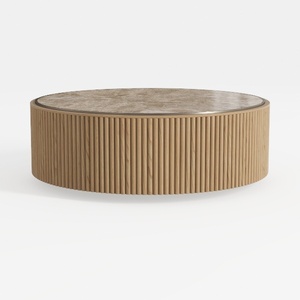
Modern Fluted Solid Wood Marble Top Round Coffee Table 3D Model

Modern Minimalist Beige Fabric Curved Sectional Sofa 3D Model
Discover your interior design potential with Homestyler! This user-friendly online platform offers an intuitive design tool, stunning 3D renderings, and a wealth of DIY video tutorials. Whether you’re a beginner or an experienced designer, Homestyler makes it easy to create your dream space.
Progetta ora GRATIS
































