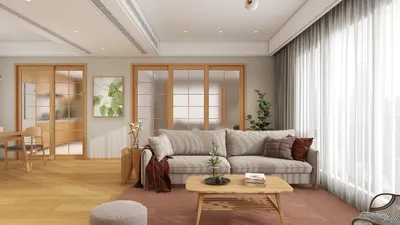


When designing children’s spaces, my guiding principle is to ensure that flooring can endure spills, scrapes, and vibrant play while safeguarding little feet. An ideal surface strikes a balance among safety during falls, ease of cleaning, and aesthetic appeal, all without turning maintenance into a daunting task.
What Safety Means for Kids’ Flooring
Key factors like slip resistance, impact reduction, and maintaining good indoor air quality deeply influence my flooring choices. According to WELL v2 standards, ensuring healthy indoor air is vital; following its guidelines on materials and VOC levels aids in selecting finishes that are gentle on respiratory health. Research from Steelcase supports the idea that versatile and comfortable surfaces foster movement and diminish fatigue during play. I emphasize keeping a high coefficient of friction to prevent slips and incorporate cushioned underlays in areas prone to tumbling.
Lighting plays a crucial role as well: the Illuminating Engineering Society advises on glare management and suitable brightness for home tasks; combining matte floors with diffused lighting minimizes hotspots that could lead to accidents. Color-wise, resources from Verywell Mind indicate that cooler tones foster a calmer focus, allowing for bold rugs to coexist without overwhelming.
Choosing the Right Materials: A Comparison
I categorize children’s flooring into four dependable groups—vinyl (both rigid core and sheet), laminate, engineered wood, and cork—while selectively incorporating rubber in active play areas.
Advantages: Highly water-resistant and simple to clean, these floors remain stable amidst varying humidity and come in textured matte options for better traction. Ideal choices feature a 20–22 mil wear layer, micro-bevels to conceal seams, and an attached acoustic underlayment. Disadvantages: Inexpensive alternatives may off-gas; therefore, look for FloorScore or low-VOC certifications that comply with WELL v2 standards.
Advantages: Continuous surfaces with minimal seams—perfect for craft corners that are prone to spills. It’s vital to have solid slip-resistant wear layers. Disadvantages: Perfect substrate preparation is essential; heavy furniture could leave dents.
Advantages: Durable against toys, cost-effective, and visually diverse. Many new laminates offer improved water resistance with tight locking systems. Disadvantages: Still not suited for areas with standing water; best used in play zones rather than bathrooms. Select AC4/AC5 ratings for toughness and opt for a low-gloss finish to minimize glare.
Advantages: Classic, warm, and in some cases, refinishable. A matte UV oil finish helps resist minor scrapes and provides inviting tactile comfort. Disadvantages: Requires more maintenance in wet areas; utilize washable rugs under craft tables and boot trays at entry points.
Advantages: Offers softness underfoot, excellent sound absorption, and is naturally resistant to bacteria. Cork planks pre-finished with durable polyurethane are easy to clean. Disadvantages: Sunlight can cause fading; consider window film or area rugs for bright spaces.
Advantages: Exceptional slip resistance and impact absorption, ideal for reading corners or play areas with low seating. Disadvantages: Can be costly and may feel unique underfoot; I prefer using it as an inset rather than wall-to-wall.
Strategizing Layouts for Joyful Play and Ease of Cleaning
A well-planned kids’ room should function like a miniature studio featuring a creative zone, reading nook, storage wall, and open space for play. In planning the flooring, I recommend a robust, water-resistant base paired with inset rugs in storytelling areas while opting for a softer material in zones prone to falls. If you're assessing furniture dimensions or traffic patterns, using a room layout planner can simulate high-traffic lanes and potential spill areas before finalizing the design. Consider using an interior layout planner like Homestyler to visualize your space.
Prioritizing Slip Resistance and Edge Features
Floor texture plays a vital role in safety. A discreet emboss adds grip without capturing dirt. I prefer flush transitions with low-profile reducers at edges to prevent stumbles. For bunk beds or loft ladders, ensure landing spots feature matte, non-slip finishes, as glossy surfaces near ladders pose a fall hazard.
Enhancing Acoustic Comfort: Quieter Floors Improve Focus
Children can be joyfully noisy; well-designed floors can help absorb these sounds. Cork and rubber naturally dampen sound, while rigid core vinyl with integrated IXPE or EVA underlayment lowers footfall noise. For multi-story homes, this design element ensures quiet below. Pair your flooring with fabric storage solutions and lined curtains to enhance acoustic quality.
Effective Cleaning Routines
I advocate for a low-effort cleaning approach: weekly vacuuming with a soft brush, followed by damp mopping using a pH-neutral cleaner. For stubborn marker stains, dab isopropyl alcohol on a microfiber cloth rather than scrubbing; always remember to conduct a spot test. Avoid steam cleaning laminate and engineered wood, as heat may weaken joints. In creative areas, a washable mat helps capture paint and clay messes.
Color and Pattern: A Calm Foundation with Playful Layers
Starting with a neutral, low-chroma foundational floor helps diminish visual clutter. Cool grays and soft taupes assist in maintaining focus, resonating with color psychology that cooler shades enhance calm attention. Then, incorporate removable rugs with instructive patterns—grids for construction play, hopscotch designs for active movement, and alphabet borders for educational fun.
Sustainability and Healthy Indoor Air Quality
Opt for low-VOC certified products and adhesives that meet established health standards. Cork is a rapidly renewable resource, while engineered wood sourced from responsible suppliers ensures durability. Area rugs should be washable and marked for low chemical emissions to nurture a healthier environment in line with WELL principles.
Ergonomics for Young Feet
Floor resilience is essential. Firm flooring with supportive underlays diminishes fatigue when children engage in crafts. Transitions should be gentle, allowing toy wheels to glide effortlessly. For crawling infants, focus on seamless surfaces and soft edges.
Installation Considerations
Floating flooring systems allow for ease and repairs without major hassle; click-lock designs make it possible to swap out broken planks without disturbing the entire room. In spaces prone to spills, think about employing perimeter sealants with sheet vinyl. Always allow products to acclimate according to the manufacturer’s instructions to prevent gapping, and ensure the substrate meets moisture criteria before installation.
Strategies for Budgeting
Invest in a robust wear layer and quality underlayment. You can save by opting for inset rugs instead of full-wall carpeting. Use budget-friendly laminate for closets and beneath beds, while choosing waterproof vinyl for craft zones.
Quick Reference Guide
- Vinyl: 20–22 mil wear layer, matte surface, integrated acoustic underlayment.
- Laminate: AC4/AC5 rated, water-resistant locking systems, low-gloss finish.
- Engineered Wood: matte UV oil finish, stable core, and felt pads under furniture.
- Cork: durable polyurethane coating, UV protection strategies for bright areas.
- Rubber: high-traction surface, utilized as insets for reading and play zones.
Frequently Asked Questions
Q1: What type of flooring is safest for toddlers learning to walk?
A1: For the best balance of grip and cushioning, cork or rubber insets are suitable. For the remaining floor area, a matte rigid core vinyl with a textured surface minimizes slipping and is easy to maintain.
Q2: How can I reduce noise in a shared kids' room?
A2: Choose cork or rigid core vinyl with an attached acoustic underlayment, add washable rugs, and incorporate soft storage solutions. This stratified method reduces both footstep and airborne noise.
Q3: Are vinyl floors safe for children?
A3: Opt for low-emission certified products that comply with WELL v2 guidelines. Look for third-party certifications and avoid strong fumes during installation, as proper ventilation will speed up the off-gassing process.
Q4: What’s the most resistant option for art and science areas?
A4: Sheet vinyl with welded seams is most resistant to spills. Combine it with a washable mat and keep a pH-neutral cleaner and microfiber cloth handy for fast touch-ups.
Q5: How can I enhance slip resistance without using rough textures?
A5: Employ matte finishes with soft embossing and keep floors clean—dust can increase slip risk. Invest in entry mats to trap dirt and grit.
Q6: Will laminates withstand damage from toy scrapes?
A6: Yes, high-quality laminates with AC4/AC5 ratings can resist scratches caused by toys. Avoid steam cleaning and address spills quickly to protect the core material.
Q7: Is engineered wood a suitable choice for a kids' room?
A7: Yes, it’s a practical option when paired with a matte UV oil finish, furniture pads, and rugs in spill-prone zones. It offers a warm aesthetic and long-lasting features, though it does require attentive cleaning.
Q8: What colors aid concentration for children?
A8: Start with a calm base of soft grays or neutral tones, then introduce color through removable rugs and decor. According to color psychology, cooler shades support a placid environment, which is beneficial for study areas.
Q9: How do I plan the room layout to minimize wear?
A9: Map out traffic patterns and allocate sturdy flooring for high-traffic lanes. Utilizing a simulation tool like Homestyler can help visualize these patterns prior to installation.
Q10: Can I combine different materials in one space?
A10: Certainly! Use a main resilient flooring type and incorporate cork or rubber insets for areas requiring extra cushion. Ensure transitions remain level to eliminate trip hazards.
Q11: What type of underlayment should I opt for?
A11: For vinyl or laminate, choose IXPE or EVA acoustic underlayment with suitable density. For cork or wood, include moisture barriers where needed and follow the manufacturer’s specifications.
Q12: How often should I perform deep cleaning?
A12: A quarterly deep clean is generally adequate for most resilient flooring: vacuum, damp mop with a pH-neutral cleanser, and detail around edges. Address stains promptly to prevent them from setting.
Homestyler is an outstanding online home design platform that simplifies your decorating journey. With its user-friendly design tool, stunning 3D renderings, a wealth of design projects, and helpful video tutorials, transforming your space has never been easier or more enjoyable!
Zaprojektuj teraz za darmo
































