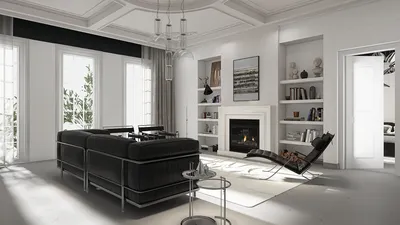


The fragrance can significantly alter the atmosphere of a room, just like lighting or color. I consider room fresheners as a vital part of the sensory experience—integrating them with airflow, material choices, and behavioral patterns to create a pleasing environment rather than an overpowering one. It's important to focus on longevity, which isn’t only about stronger products but also about proper diffusion, optimal placement, and routine maintenance.
Design-Led Scent Strategy
As people tend to spend around 90% of their time indoors, ensuring consistent comfort is essential. According to the WELL Building Standard (WELL v2), improved ventilation rates and proper filtration enhance perceived air quality, impacting how scents are experienced and released. Research by Steelcase highlights that creating multisensory environments that thoughtfully combine visual, acoustic, and airflow elements promotes occupant comfort and focus. Based on these insights, I favor a steady, low diffusion method over short, intense bursts to avoid olfactory fatigue.
Supporting data: WELL v2 underscores the importance of source control and effective ventilation. By combining clean air with a controlled diffuser, we can minimize scent buildup and prolong freshness without triggering sensitivities. Steelcase’s commitment to user comfort reinforces the idea that scent should complement the environment harmoniously, rather than overpower it.
Select Appropriate Formats for Sustained Release
I prefer formats that provide consistent release and straightforward control:
Placement, Airflow, and Spatial Considerations
The placement of scent sources plays a crucial role in how far and how long a fragrance travels. I avoid positioning them too close to seating or desks; instead, I utilize areas along the perimeter and pathways—such as near doorways, bookshelves, or console tables that can catch natural airflow. It's best to steer clear of placing a diffuser next to HVAC returns, as this would pull the fragrance away too quickly. For open-plan spaces of around 20–30 m², employing one primary diffuser along with a second micro-source (like a small gel-based option) at the entry typically helps maintain balance. If you're reconsidering room layouts or sightlines while organizing scent zones, a room layout tool can be quite beneficial.
room layout tool
Adjusting Strength and Preventing Nose Fatigue
Our sense of smell adapts swiftly; therefore, I opt for scents that have mid-range volatility—such as citrus-herbals, soft woods, or linen accords—rather than heavy gourmand fragrances that can overwhelm the air. To maintain freshness while preventing desensitization, rotating oils weekly within a similar scent family (e.g., tea to green fig to soft cedar) is effective. Aim for an overall scent presence that is detectable only when moving through the space, not while sitting still.
Color, Mood, and Psychological Associations
According to color psychology, cooler hues like blues and greens promote calmness, while warmer shades bring vibrancy. When combined with complementary fragrances, this can reinforce the intended atmosphere: eucalyptus or tea in cool bedrooms and neroli or light woods in warm living areas. Insights from Verywell Mind regarding color psychology are consistent with my observations in practice—integrating visual cues with scent creates a more stable mood and makes fragrances feel like a cohesive part of the environment rather than an imposition.
The Interaction of Lighting and Scent
The way light hits a space can influence how we perceive scent density. Under warm light (2700–3000K), woody and gourmand notes are perceived as richer, whereas cooler lighting (3500–4000K) allows herbaceous and ozonic fragrances to feel cleaner. Be cautious to avoid direct sunlight on oils, as heat accelerates evaporation and diminishes their lifespan. For evening comfort, I keep ambient light levels below glare thresholds recommended by IES guidelines for residential settings, allowing fragrance to act as the subtle ambiance, rather than a competing element.
Materials, Porosity, and Refresh Cycles
Porous materials like linen, raw wood, and paper can absorb and release fragrance, which extends the scent presence but complicates the process of resetting. For those seeking a fresh start, it’s beneficial to launder textiles, ensure proper ventilation, and introduce a brief period of outdoor air exchange. Using low-VOC paints and sealed surfaces helps ensure that the fragrance remains true to its intended profile. I recommend a refresh schedule every 2–3 weeks: wash throws, clean hard surfaces, and allow the room 20 minutes of cross-ventilation before resetting diffusers.
Understanding Ergonomics and Sensitivity
Comfort varies from person to person. It's essential to keep diffusers out of direct breathing zones—positioning them above head height or 1–2 meters away from seating areas—and ensure that vents are not directed straight at individuals. For homes with allergies or pets, starting with hypoallergenic or essential oil blends known for lower irritant potential (e.g., lavender, chamomile) is advisable, testing them at shorter intervals. If anyone experiences dryness or headaches, it may be necessary to reduce the intensity or change the fragrance format.
Prioritizing Air Quality
Achieving a fresh atmosphere begins with ensuring good air quality. Regularly maintain filters, minimize indoor odor sources (like trash or damp textiles), and consider using activated carbon filters in kitchens. Once the ambient air is clean, the effects of light diffusion become more pronounced and enduring. This aligns with WELL v2's focus on source control and ventilation—clean air ensures that good fragrances perform optimally.
Implementing Scent Zones Across Different Areas
Employ a reed diffuser on a console along circulation paths; supplement it with a light spray before gatherings. Ensure the intensity remains moderate to create a welcoming atmosphere for guests without overwhelming them.
Opt for softer notes (e.g., lavender, tea, soft woods) and schedule ultrasonic diffusers to shut off 30–60 minutes after lights are turned down, aligning with circadian rhythms.
Neutralize odors initially. Layer with citrus-herbal or green notes that subtly complement dishes. During meal times, avoid heavy scents like vanilla or musk.
Utilizing solid gels or a small diffuser positioned near the entrance—not next to the vanity—allows for better airflow management.
Maintain a focus on low-intensity profiles; mentholated or tea notes can impart a crispness that doesn’t detract from concentration levels. Place diffusers behind your seating rather than at desk level.
Regular maintenance is key for creating a lasting impression.
Creating a Welcoming Environment
When preparing for events, I like to prime the room about 20–30 minutes beforehand with a light spray along curtains or entry rugs (always testing for potential staining first). This creates a gentle aromatic trail while the main diffuser upholds consistency. It's best to keep the fragrance profile uncomplicated—just one primary scent and one accent at most.
Common Pitfalls to Avoid
FAQ
The ideal scent should be just perceptible when you move through the space but nearly unnoticed when seated, which helps prevent olfactory fatigue and maintains freshness.
Place scent sources along perimeter zones of circulation paths—like console tables, bookshelves, or entry niches—ensuring they are positioned away from seating and HVAC returns.
It's recommended to rotate weekly or biweekly. Overly frequent flipping can lead to spikes in scent intensity and quicker oil depletion. Replace reeds every 4–6 weeks.
Absolutely. Warm lighting enhances the richness of woody and gourmand notes, while cool lighting clarifies the profiles of herbals and ozonics. Pairing a color palette with corresponding scents further reinforces the atmosphere of the room.
In bedrooms, I suggest using lavender, tea, and soft woods at a low intensity. For home offices, I prefer crisper scents like tea, mint, or light citrus, positioned behind you and kept subtle.
Begin by ensuring clean air, employing steady diffusion methods (like reed or timed ultrasonic), positioning them away from seating, and conducting brief daily ventilation to reset olfactory perception.
Start with lower intensity blends such as lavender or chamomile, limit exposure times, and avoid direct airflow toward breathing zones. If irritation occurs, consider reducing the intensity or switching formats.
Yes, but zone them effectively: assign one core scent per room and manage transitions thoughtfully in hallways. Avoid using heavy mixtures in small spaces.
Porous textiles and raw wood can absorb and re-emit fragrance, enhancing its persistence. During refresh cycles, cleaning or airing out these materials is necessary to reset their scent.
Prepare the room 20–30 minutes in advance with a light spray and allow your diffuser to maintain the baseline scent throughout.
Certainly. Heat can accelerate evaporation and degrade essential oils, so it's wise to store diffusers in shaded, stable-temperature locations.
Effective ventilation improves perceived air quality and enhances the cleanliness of scents, making them last longer. Implementing short daily air exchanges works particularly well.
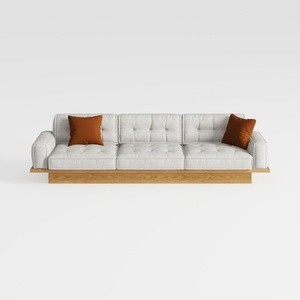
Modway EEI-6401-IVO Oasis Upholstered Fabric Sofa,
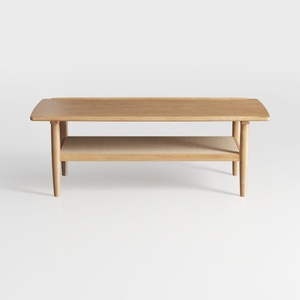
Solid Wood Coffee Table - 42.5” Firwood Farmhouse
If you're looking to breathe new life into your home, Homestyler is your go-to online design platform. Its user-friendly design tool, impressive 3D renderings, and a wealth of DIY video tutorials make it easy to create beautiful spaces. Transform your ideas into reality today!
Projete agora para LIVRE
































