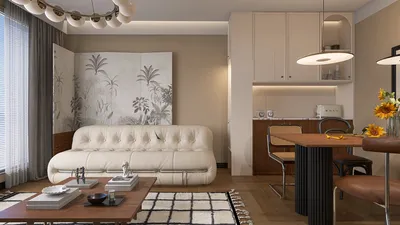


I have selected a multitude of small pedestal dining tables, particularly suited for urban apartments, breakfast areas, and open-concept studios. A well-designed white pedestal table provides several advantages: it maximizes leg space, minimizes visual distractions, and enhances the feel of compact dining areas. In spaces smaller than 120 square feet, optimizing every inch is crucial. Studies from Gensler indicate that clear pathways and appropriately sized furniture can create a perception of spaciousness and streamline daily activities; notably, a single central support facilitates knee and chair clearance that traditional four-legged tables simply can't offer. The WELL v2 standard reinforces the importance of glare management and suitable light reflection, where a soft-matte white surface diffuses light effectively and softens harsh reflections during meals.
The key factors to consider are scale and the density of seating. Research from Steelcase has long associated the freedom of movement in posture with comfort and prolonged seated time—qualities that a pedestal base provides by eliminating conflicts with corner legs. In terms of lighting, I recommend attaining an illumination level of 200–300 lux on the tabletop for casual dining, adhering to IES guidelines for layering ambient and task light in residences. This lighting range, combined with a warm color temperature of 2700–3000K, ensures a relaxed dining atmosphere and enhances color accuracy without harsh glare.
What Makes a Small White Pedestal Table Work
A small white pedestal table is successful due to three core elements: a compact size, a visually understated finish, and a well-designed base for stability. Typically, a round top ranging from 30 to 36 inches allows for comfortable seating for two, while a diameter of 38 to 40 inches can accommodate three to four without crowding. For optimal balance, the pedestal's diameter should ideally be about one-third of the tabletop diameter. I favor a design with a low center of gravity—such as a cast iron or weighted composite base—ensuring that the table feels sturdy whether someone leans in to slice meat or sets a laptop down between meals.
Proportion, Clearances, and Flow
Starting with suitable proportions is key to comfort. For dining setups, aim for 24 inches of table edge per individual; thus, two diners would require approximately 48 inches—achievable with a round table measuring 36 to 40 inches with staggered seating. Aim for a clearance of 30 to 36 inches from the table edge to walls or built-ins for comfortable passage; extend to 42 inches for primary walkways. When organizing your layouts or assessing table diameters, utilizing a room planning tool like Homestyler can eliminate guesswork through quick scaling and chair movement tests.
Color Psychology: Why White Feels Larger
The color white is perceived as clean, expands the feel of space, and reflects light uniformly, contributing to a calming environment in small rooms. Color psychology research indicates that lighter shades enhance brightness perception while reducing visual clutter. To prevent a sterile appearance, complement a white tabletop with warmer materials such as oak or walnut chairs, a textured rug, or upholstery in beige or soft earthy tones. A soft-matte finish (10–25 gloss units) maintains a sophisticated look while effectively managing glare from light fixtures or natural light.
Lighting the Pedestal Table
For daily meals, I focus on achieving a harmonious combination of three lighting layers: a warm pendant positioned 28 to 34 inches above the table, adjustable for a brightness of 200 to 300 lux on the surface; wall lights or floor lamps to provide ambient light; and candlelight for evening settings. Choose lampshades that prevent direct light at eye level to minimize glare. If you opt for a high-gloss white finish, consider using diffused glass or linen shades to mitigate harsh reflections.
Ergonomics and Seat Comfort
The ideal table height should be between 28 and 30 inches, while standard chair heights range from 17 to 19 inches, allowing for a knee clearance of 10 to 12 inches. Armchairs should have a clearance of 2 to 3 inches under the apron, or preferably no apron at all. When using a pedestal base, rotate the chairs to ensure there’s no obstruction from the pedestal when sitting down; positioning the base so that the front chair legs do not contact the table’s flare is essential.
Material Choices and Durability
For family use, I prefer high-pressure laminate or Fenix-styled super-matte surfaces due to their scratch resistance and ease of maintenance. Solid wood with hardwax oil can be spot-repaired and develops a pleasant patina over time, just ensure to prevent water rings with coasters. If a clean, contemporary look is desired, powder-coated steel bases pair excellently with compact laminate or quartz composite tops. When the table also serves as a workspace in smaller homes, consider surfaces with a subtle micro-texture to minimize mouse slip and show fewer fingerprints.
Acoustics in Small Dining Zones
Hard surfaces can reflect sound, creating a noisier environment. To reduce noise, place a low-pile rug under the table (extending 24 inches beyond chair legs), utilize upholstered seating, and incorporate soft window treatments. Even a small fabric pendant light can help dampen the sound of cutlery and dishware during meals.
Layouts for Nooks, Bay Windows, and Studios
Round tabletops excel in fitting asymmetrical or tight spaces; a 32 to 36 inch round table can fit into a bay window without obstructing the view. For narrow kitchens, a 24 to 30 inch round table with a slim pedestal can create a perfect breakfast nook while maintaining circulation. If you’re evaluating chair capacity or rug dimensions, utilizing a design visualization tool like Homestyler can simulate space usage and help with pendant positioning.
Visual Rhythm and Styling
Ensure the vertical visual rhythm remains tranquil: one central pendant, a single centerpiece, and understated chair designs. In smaller rooms, avoid multiple competing leg styles; the pedestal base clarifies the structure, allowing for choice of chairs with light frames or open backs. A simple branch vase or low-profile bowl enhances sightlines and fosters easy conversation across a round table.
Sustainability and Longevity
When selecting tops and bases, prioritize those that can be refinished or repainted. Bolt-on pedestals facilitate easy replacement of parts. If you choose engineered materials, seek low-VOC finishes and durable edges; a well-constructed pedestal table can last through various homes if the base has sufficient weight and the surface can be refreshed with a new coat or laminate.
Buying Checklist
References and further reading regarding spatial dimensions, comfort criteria, and lighting standards that underpin these recommendations often include WELL v2 guidelines for occupant wellness and IES standards for residential lighting patterns: WELL v2, IES standards.
FAQ
A diameter of thirty to thirty-six inches is optimal for comfortable seating. It allows two diners ample elbow room while maintaining clear circulation in small kitchens and nooks.
While it is possible to fit tighter, 38 to 40 inches provides added comfort. Aim for about 24 inches of table edge per individual to avoid any clashing of cutlery.
Ideal table height should be 28 to 30 inches while chair seat heights should range from 17 to 19 inches, offering 10 to 12 inches of knee space for most adults.
Provided the base is appropriately weighted, it shouldn't wobble. Look for a low center of gravity (using a cast iron core or a weighted plate) and a pedestal width that is about a third of the tabletop diameter.
Hang a diffused pendant 28 to 34 inches above the tabletop, dimming it to achieve approximately 200 to 300 lux at the surface, and keep within the warm white range of 2700 to 3000K. Avoid bulbs that are exposed at eye level.
With modern laminates, high-quality lacquer, or super-matte surfaces, stains are generally manageable. Use coasters for red wine and coffee, and opt for finishes that offer good stain resistance ratings.
A round table is ideal for flow; it lacks corners and promotes easier movement for chairs. A square table may work in strict rectangular nooks, but consider the clearance around the corners.
Ensure at least 24 inches of space beyond the table edge on all sides. This prevents chairs from being obstructed even when pulled out.
Yes, for those looking to work from their dining area, a well-constructed base, a micro-textured matte surface for improved mouse control, and convenient access to power outlets without cable interference through the pedestal are essential.
Maintain 30 to 36 inches of clearance for relaxed movement; 42 inches is recommended if the path is a main route between spaces.
Light, open-back chairs or those with low arms create an airy composition. Check arm heights beneath the tabletop to avoid hitting the apron.
A matte finish is more forgiving in bright rooms and decreases glare. High-gloss surfaces may look stunning but tend to show fingerprints and reflections more prominently.
If you’re looking to unleash your creativity in home design, Homestyler is the tool for you! It offers an easy-to-use online design platform featuring stunning 3D renderings, a variety of design projects, and helpful video tutorials, making it perfect for both beginners and seasoned designers.
Diseño ahora GRATIS
































