

Having meticulously planned and re-measured countless dining rooms, I've noticed that the most effective designs share common features: harmonious proportions, sufficient movement space, and seating arrangements that promote comfort. Getting the dimensions right from the start can economize both time and resources, especially considering factors like the shape of tables, number of chairs, storage needs, and lighting considerations, all of which can be simplified using a tool like Homestyler.
The science of room sizing transcends personal preference—it's grounded in ergonomic principles and established comfort metrics. As a standard, I recommend providing 24 to 30 inches of width per diner to ensure ample shoulder space and ease of reaching for their plates; these dimensions correspond with ergonomic ranges noted in workplace seating assessments from brands like Steelcase and Herman Miller. Furthermore, optimal lighting levels at the table—usually between 300 and 500 lux for dining tasks—align with IES standards, ensuring that faces and dishes are visible without glare. When considering flow, I create pathways of at least 36 to 48 inches whenever possible to enhance spacing and accessibility.
Essential Dimensions: Key Measurements for Dining Comfort
• Minimum room dimensions for a cozy four-seat arrangement: approximately 9 feet by 10 feet (2.7 m by 3.0 m) with a 36-inch clearance for circulation around a small rectangular or round table.
• Comfortable dimensions for a six-seat dining area: about 10 feet by 12 feet (3.0 m by 3.7 m) allowing for 42 to 48 inches of clearance on the main sides, adjusting near sideboards as needed.
• For an eight-seat formal dining area: aim for dimensions of approximately 11 feet by 14 feet (3.4 m by 4.3 m) or larger, ensuring 48 inches behind chairs on the main thoroughfare to facilitate movement even when the seats are occupied.
• For individual elbow space: plan for 24 to 30 inches of table edge per diner, allowing for closer quarters during casual meals while providing wider spacing for formal service or larger chairs.
• When considering chair pushback: allocate 18 to 24 inches for pulling out chairs, along with 36 inches behind for easy passage. I generally target 42 to 48 inches behind chairs in main pathways to ensure unhindered service and movement.
Table Shapes and Seating Arrangements
• Rectangular tables are versatile and commonly used in homes. A 72 by 36-inch table can comfortably accommodate six diners, while an 84 by 42-inch table is suitable for eight, necessitating a spacing of about 24 to 30 inches per person.
• Round tables can foster conversation and eliminate tight corners in limited spaces. A table with a 48-inch diameter suits four people well; those with diameters between 54 and 60 inches can arrange six. For tables larger than 60 inches, consider using a lazy Susan for ease of access.
• Square tables create an orderly appearance and work best in square-shaped rooms. A 42 to 48-inch square can accommodate four diners; however, larger square tables may feel too distant unless one side features a banquette.
• Extendable tables require planning for their expanded footprint. I always test the full length of the extended leaf to ensure pathways remain unobstructed during holiday gatherings.
Clearances, Flow, and Ergonomics
Effortless dining rooms facilitate smooth movement. A minimum of 36 inches from the table edge to the wall is crucial for basic maneuverability, with 42 inches being preferable for serving and wheelchair navigation. For spaces with sideboards or china cabinets, allow at least 48 inches from the table edge to the storage front for access during meals. Standard seating heights typically range from 17 to 19 inches, while table heights fall between 28 and 30 inches. When mixing armchairs with armless ones, confirm that the arm clearance accommodates the table apron to prevent guests from feeling stuck.
Lighting and Acoustic Comfort
Dining requires flattering, functional lighting. I target 300 to 500 lux at the tabletop, balancing ambient and decorative fixtures. Typically, pendants or chandeliers are installed 30 to 36 inches above the table to reduce glare and maintain sightlines. A warm-white color temperature of around 2700 to 3000K promotes relaxed dining, while high-CRI (Color Rendering Index) sources accurately illuminate food. To enhance acoustics, incorporating soft finishes—like upholstered chairs, curtains, and appropriately sized rugs—ensures conversations remain clear. In hard, lofty rooms, using a rug that matches the table’s footprint plus an additional 24 to 30 inches all around prevents chair legs from getting caught and reduces sound reverberation.
Storage, Service Paths, and Visual Balance
When integrating a buffet or credenza, ensure it has adequate space: 12 inches of wall clearance on the ends and a clear 48-inch path between the table and storage to allow access during meals. I often align the table, fixture, and credenza on a single axis to create visual rhythm. If the space is tight, consider using a banked banquette against one wall to recover floor space and maintain open pathways opposite.
Open-Plan Dining: Defining Spaces Without Walls
In open-concept living-dining areas, establish the dining zone with lighting and rug boundaries that extend beyond the table's dimensions plus 24 to 30 inches. Maintain a 48-inch aisle along the kitchen's edge, and if the living area encroaches, consider reducing the table width to 36 inches and using a bench on the wall side to sustain a free flow.
Planning Your Layout and Allowing for Future Flexibility
Before settling on a layout, I usually test two or three table orientations—centered, rotated 90 degrees, and offset—especially in asymmetrical spaces. For homeowners exploring their options digitally, utilizing a room layout tool, like Homestyler, can effectively validate clearances and sightlines. Future-proofing involves accounting for leaves or seasonal guests; if your gatherings expect eight diners, ensure the room and lighting junction are designed to accommodate this from the outset. Don't forget to plan for electrical outlets for warmers or appliances if serving occurs on a sideboard.
Color Psychology and Material Selections
Warm, subtle hues—such as terra-cotta, soft gold, or muted olive—tend to encourage more relaxed, extended meals. Bright colors can appear overly vibrant, so I use them sparingly in art or decorations. Choosing durable, low-VOC finishes for tables and cabinetry ensures better indoor air quality, while stain-resistant fabrics, like Crypton or performance blends, prove their value in family dining scenarios. Selecting responsible woods and easy-care stone or porcelain materials keeps maintenance straightforward without compromising on texture.
Proportional Guidelines
• Table-to-room ratio: ensure 36 to 48 inches of clear space on active sides; smaller allowances can be made for quiet walls if needed.
• Fixture dimensions: the diameter of chandeliers should ideally range from half to two-thirds of the table’s width for a balanced visual impact.
• Rug dimensions: rug size should encompass the table's width/length along with 24 to 30 inches on all sides, ensuring that chairs remain on the rug when pulled out.
• Sightlines: maintain pendant lights at least 30 inches above the tabletop while ensuring views of art or windows are not obstructed.
In a 10 by 12-foot urban dining area, switching from an 84 by 42-inch rectangular table to a 72 by 36-inch table combined with a built-in bench opened up a 48-inch pathway, facilitating effortless serving. In larger open layouts, replacing heavy drapery with lightweight, sound-absorbing panels improved conversation clarity without sacrificing natural light. Minor adjustments in dimensions—six inches here, twelve there—can significantly enhance usability.
FAQ
Q1: What is the smallest practical dining room for four?
A: Approximately 9 by 10 feet with 42 to 48 inches of clearance on at least one side. Either a 48-inch round or a 60 by 36-inch rectangular table fits, provided there’s enough room for chairs to push back by 18 to 24 inches while maintaining a minimum walkway of 36 inches.
Q2: How much space should I allocate per person at the table?
A: Plan for 24 to 30 inches of edge space per diner. The broader measurement accommodates armchairs and formal dining needs.
Q3: What clearance is necessary behind chairs for comfortable movement?
A: A minimum of 36 inches is essential; however, 42 to 48 inches allows for smoother pass-through even when someone is seated, ideal for dining and accessibility.
Q4: At what height should my chandelier be positioned over the table?
A: Generally, aim for a height of 30 to 36 inches above the table to minimize glare and maintain clear sightlines, with 300 to 500 lux at the tabletop for optimal food and facial visibility, adhering to IES recommendations.
Q5: Which table shape is preferable for small rooms: round or rectangular?
A: Round tables are often better suited for tighter, square areas as they facilitate circulation and eliminate sharp corners. Rectangular tables are more efficient in narrower settings and are easier to pair with benches or banquettes.
Q6: How do I size a rug for my dining area?
A: Extend the rug size by 24 to 30 inches on all sides of the table's dimensions so that chairs remain fully on the rug when pulled out, which also adds sound absorption in vibrant spaces.
Q7: What illuminance and color temperature are ideal for dining?
A: Approximately 300 to 500 lux at the tabletop with warm-white sources around 2700 to 3000K. Combining ambient and accent lighting minimizes shadows and glare for a comfortable dining experience.
Q8: How can I integrate storage without crowding the dining area?
A: Maintain 48 inches of space between the table edge and the front of a credenza or cabinet for accessibility during meals. Center major elements on a common axis for visual balance and develop a primary service path accordingly.
Q9: What is the recommended height for seats and tables?
A: Chairs should typically have a height of 17 to 19 inches, while table heights range from 28 to 30 inches to provide adequate knee clearance for most adults.
Q10: How should I prepare for holiday seating if my usual table is smaller?
A: Ensure that both the room and lighting junction can accommodate the extended length of the table. Validate clear pathways using a room layout tool like Homestyler before finalizing any storage options.
Q11: Do you have any tips for open-plan dining next to the kitchen?
A: Keep a 48-inch aisle along the kitchen connection, establish the dining area using a rug and focused lighting, and consider bench seating on one side to maximize space efficiency.
Q12: Which materials are best suited for family dining?
A: Select durable, low-VOC finishes, stain-resistant upholstery, and responsibly sourced materials for wood or stone tops. These choices are not only practical for spills but also support indoor air quality and make cleaning effortless.
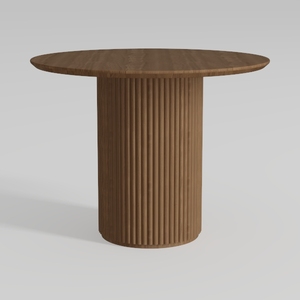
Tribesigns 47" Round Dining Table for 4, Farmhouse



Henn&Hart 48'' Wide Rectangular Desk in Alder Whit
Homestyler is the ultimate online home design platform for anyone looking to transform their space effortlessly. With its user-friendly design tool, stunning 3D renderings, a vast selection of design projects, and helpful video tutorials, you'll have everything you need to create your dream home, no matter your skill level!
Zaprojektuj teraz za darmo
































