

Designing a pooja room in an apartment can be a fulfilling endeavor, even within limited square footage. My strategy emphasizes the importance of light, sound, and material choices that enhance daily ceremonies, ensuring they fit seamlessly into compact living spaces. With many urban apartments having reduced in size by approximately 5–10% in recent years, it becomes essential that a pooja nook not only nurtures tranquility but also serves practical purposes.
The essence of good design lies in creating measurable comfort. As per WELL v2 guidelines, I focus on achieving ambient lighting that promotes mental wellness, aiming for 200–300 lux for overall illumination in pooja areas, supplemented by warm-white task lighting at 2700–3000K for idols and scriptures. This lighting spectrum aids in maintaining visual comfort and attention. To support a healthy posture, findings from Herman Miller highlight the discomfort associated with static positions; thus, alternating between seated and kneeling arrangements on a platform height of 16–18 inches ensures rituals are both comfortable and accessible for families of all generations.
When it comes to materials and acoustics, they hold equal significance in smaller apartments. The presence of thin walls and hard flooring can amplify noise; hence, incorporating basic acoustic solutions—like a wool rug and padded wall panel behind the mandir—can help minimize reverberation, allowing bells and chants to resonate softly. I steer clear of shiny surfaces near flames to prevent glare and soot accumulation, opting instead for matte, low-VOC materials, such as wood or stone, that are easy to clean. Utilizing a room layout tool like Homestyler can greatly assist in testing sightlines and optimizing the altar's placement in compact living-dining areas.
Essential Design Guidelines for Compact Pooja Spaces
The dimensions and proportions of your pooja space are of utmost importance, often outweighing decorative elements. I recommend maintaining an altar width of 24–36 inches, with a depth of around 12–16 inches, perfect for placing lamps, incense, and a small storage compartment. Incorporating vertical elements—like tiered shelving or slender columns—draws the eye upward, giving the mandir an impactful presence without occupying much floor space. When working with heavier idols, be sure to select shelves rated for at least 20–25 kg and secure them to structural walls where feasible.
Light, Glare Control, and Fire Safety
Creating layers of light is crucial for setting the right mood while ensuring safety. Utilizing ambient ceiling or cove lighting can establish a tranquil foundation, while low-glare sconces effectively illuminate deities without producing harsh shadows. It’s essential to maintain a safe distance of at least 12 inches between open flames and any fabric for fire safety. Managing glare is vital in smaller areas; using diffused lighting fixtures and matte surfaces around light sources can help alleviate eye strain, especially during morning and evening prayers.
Understanding Color Psychology and Emotional Resonance
Color choices can significantly influence the mood within smaller spaces. Opt for soft neutral tones—such as warm beige or light sandstone—to create a calming background. Accents in bright saffron, marigold, or vermilion can add energy for special occasions, whereas muted tones like jade or lapis lend a more reflective ambiance. Reflective metallics should be reserved for minor details—like bells and diya stands—so that they catch the light without overwhelming the senses. Balancing vivid colors with natural textures, such as woven fabrics and unrefined wood, maintains warmth in the environment.
Enhancing Acoustic Comfort in Apartments
Apartment acoustics can be challenging, but thoughtful design can control sound during pooja rituals. Employing a soft rug, an upholstered bench, and fabric wall hangings can help lessen echo. If space permits, a decorative wooden panel with felt backing can serve both as an ornamental piece and an effective sound absorber. It's advisable to keep the mandir away from noise-sensitive areas, such as shared walls, and opt for smaller bells to ensure sounds remain reverent rather than disruptive.
Practical Storage and Ritual Flow
Efficient storage solutions can enhance even the most compact mandir spaces. I recommend a dual-level approach: a top drawer for matches and incense and a lower cabinet for oil, extra diya cups, and festive decorations. Implementing magnetic catches or soft-close mechanisms can minimize noise. A slim pull-out tray can serve as a preparation area for offerings. Positioning frequently used items within easy reach simplifies daily rituals, while less common items can be stored in the lower compartment.
Flexible Layouts for Livable Dining Areas
In many apartment configurations, the pooja space is integrated near the living-dining zone. To facilitate smooth traffic, it’s important to maintain a clearance of at least 30 inches in front. If the mandir faces a busy pathway, consider a folding lattice screen to provide privacy during meditation, while allowing it to open up for gatherings. Focus on maintaining clean ventilation pathways and maximizing morning sunlight; employing a lighting timer can simulate dawn rituals, particularly in areas lacking windows. Tools like Homestyler can help visualize layout options before finalizing plans.
Material Choices Aligned with Sustainability
Select materials that honor traditional aesthetics while being practical. Durable wood options such as teak or oak, along with engineered veneers, provide long-lasting solutions, while stone bases are effective in managing heat and potential spills. Ensure low-VOC finishes are chosen to maintain good indoor air quality in smaller spaces. It’s prudent to steer clear of porous materials beneath diyas or to seal them to avoid oil staining. If opting for marble finishes, selecting honed instead of polished surfaces can significantly reduce glare and slip hazards.
Proper Ventilation and Indoor Air Management
While incense and oil lamps are integral to rituals, they can produce lingering odors in compact apartments. Installing a concealed exhaust or a quiet inline fan is beneficial, particularly in areas that lack windows. Utilize a small ceramic tray for ash collection and consider essential oil diffusers for everyday use to reduce smoke particulates. Regularly cleaning surfaces post-use prevents residue build-up, which can detract from the space's overall aesthetics.
Safety Measures for All Generations
Designing to accommodate all age groups is essential. Implementing rounded edges, stable bases for idols, and enclosed flame areas can greatly reduce risks. For those who kneel frequently, providing a padded mat or seating at a height of 16–18 inches with sufficient clearance is beneficial. Elevating platforms aid elders by reducing the need to bend down, while safe, non-slip step stools enable children to participate comfortably. Proper cable management for lamps and use of soft pilot lights maintain a neat and hazard-free space.
Modern Aesthetic Touches
Contemporary pooja rooms can seamlessly blend serenity with minimalism. A fluted back panel paired with concealed LED strips set at 2700K creates an elegant focal point. Ornate jali doors not only provide ventilation but also screen the interior when closed. Consider subtle drawer pulls or finger grooves that blend seamlessly into the design, ensuring a clutter-free facade.
• In the living-dining area: Incorporate a shallow mandir with lattice doors to shield rituals from direct visibility.
• In the entryway: A compact wall-mounted mandir with a pull-out tray creates a welcoming spiritual ambiance.
• In the bedroom nook: Facilitate flame-free rituals with electric diya options and soft lighting to maintain tranquility.
• In the study space: Ensure a quiet and focused environment supported with adequate task lighting; perfect for scripture reading.
Calculated Lighting: Evidence and Experience
To ensure comfort in illumination, I assess the brightness levels at the altar. Aiming for 200–300 lux of ambient light, coupled with focused lighting of 500–700 lux on the idol, aligns with comfortable residential ranges. This approach is also consistent with WELL v2's recommendations for creating supportive, glare-controlled environments. Maintaining color temperatures of 2700–3000K during evening rituals promotes tranquility and avoids disruptive blue light that can interfere with sleep.
Maintenance for Longevity
Regular rituals benefit significantly from straightforward maintenance. Opt for robust construction methods like finger-joint or mortise-and-tenon to ensure stability. Heat-resistant trays should be used beneath diyas to prevent damage, and selecting finishes that withstand gentle cleaning products is advisable; avoid harsh chemicals around delicate elements. Formulate a weekly cleaning schedule to dust idols and shelves, inspect hardware, clean lamp residues, and refresh textiles, preserving the dignity of the space for years to come.
Expert Insights
Comfortable lighting plays a vital role in well-being. Resources such as WELL v2 offer valuable insights on balanced lighting and glare mitigation, while studies from Herman Miller encourage changing postures to alleviate strain during seated activities. Leveraging these guidelines can help adapt traditional designs to contemporary, health-savvy apartment living.
Frequently Asked Questions
Q1: What is the optimal lighting level for a small pooja space in a flat?
A: Aim for an ambient lighting level of 200–300 lux, complemented by warm-white fixtures in the range of 2700–3000K, plus focused lighting of 500–700 lux on the deity. This combination balances clarity with calmness, preventing glare.
Q2: How can I minimize incense smoke accumulation in a small apartment?
A: Incorporate a discreet exhaust system or small fan, keep a ceramic ash tray accessible, ensure good ventilation post-ritual, and consider using essential oil diffusers during the week to lower smoke particles.
Q3: Which materials are safest to use around diyas?
A: It's advisable to use stone or metal trays under the lamps, select matte finishes to lower glare, and maintain a minimum distance of 12 inches between open flames and fabrics. Where feasible, consider fire-retardant treatments.
Q4: What is the recommended depth for a wall-mounted mandir?
A: Typically, a depth of 12–16 inches suffices for accommodating idols, lamps, and a narrow drawer, all while ensuring ample space for movement in tight living-dining areas.
Q5: Is it possible to have a pooja room close to the living area without compromising privacy?
A: Absolutely. Applying lattice or jali doors maintains privacy, positioning the altar strategically away from direct sightlines, while ensuring a clearance of at least 30 inches for smooth transits.
Q6: What colors best evoke a serene atmosphere in confined areas?
A: Soft, warm neutral bases, complemented with subtle accents like saffron and muted jade, along with natural textures such as wood and stone, create a calming environment.
Q7: How can I accommodate the needs of elders and children ergonomically?
A: Provide a bench that is 16–18 inches high, feature rounded edges, ensure stable idol bases, and include a non-slip step stool for children to enable safe participation.
Q8: What acoustic solutions are effective in apartment settings?
A: Employing soft rugs, upholstered seats, fabric-covered panels, and wooden perforated elements with felt backings can significantly reduce echoes, allowing sounds to remain gentle and appropriate.
Q9: Are there eco-friendly material alternatives for pooja setups?
A: Opt for low-VOC finishes, sustainably sourced wood, and robust engineered surfaces. Brass accents offer durability and age beautifully with time.
Q10: How can I replicate morning light for early prayers in windowless areas?
A: Use cove lighting set on a timer with 2700K–3000K LED bulbs that gradually increase in intensity, mimicking the natural progression of dawn to enhance early prayer settings.
Originally incubated at Autodesk, Homestyler has grown into one of the most widely adopted home design platforms in the world, now trusted by over 18 million users. Whether you're a homeowner exploring ideas or a professional designer delivering client-ready renders, Homestyler brings industry-leading 3D technology to your fingertips — no experience required.
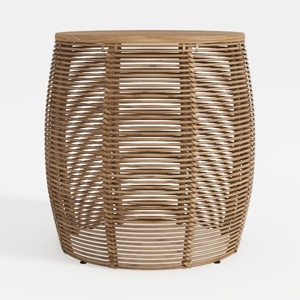
Bohemian Rattan Solid Wood Top Round Side Table 3D Model
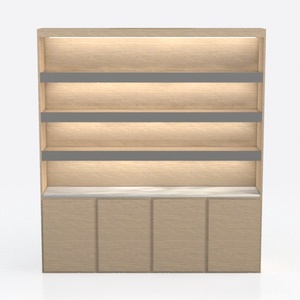
Minimalist Solid Wood Marble Top Display Cabinet with LED Lighting 3D Model
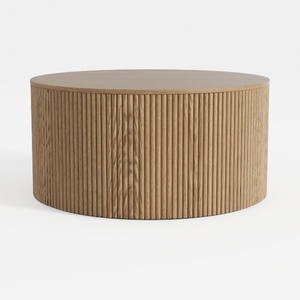
Minimalist Fluted Solid Oak Round Coffee Table 3D Model
Homestyler is the ultimate home design platform for anyone looking to transform their space. With its powerful online design tool, stunning 3D renderings, and a treasure trove of design projects and video tutorials, you’ll find everything you need to unleash your creativity and bring your vision to life effortlessly!
立即免费设计
































