

Organizing a wedding in JP Nagar requires a careful consideration of capacity, comfort, and design elements while staying mindful of practicalities such as guest movement, sound quality, and illumination. In Bengaluru’s bustling neighborhoods, providing seating comfort and unobstructed views remains crucial for guest satisfaction. Research shows that when individuals are in well-designed spaces, they can experience a productivity boost of up to 15%—principles that can also enhance guests' experiences during lengthy ceremonies and receptions, where circulation, ergonomic seating, and airflow are vital components.
The importance of lighting and air quality cannot be overstated. According to WELL v2 references, minimizing glare and maintaining an ambient brightness level of 300–500 lux in multipurpose areas enhances perceived comfort, with warmer light tones (2700–3000K) being preferable for evening events. Color psychology plays an important role, where vibrant hues like warm reds and marigold can elevate the energy and festive atmosphere—though they should be used judiciously to avoid overwhelming the visual senses and ensure elegant contrasts in photography.
From a spatial design perspective, the dimensions of seating arrangements and the widths of aisles significantly impact the ceremony's flow. For halls accommodating 250–400 guests, I recommend central aisles measuring 1.8–2.4 meters to facilitate two-way movement and sari drape clearance, while buffet setups function best with 1.5 meters of circulation on either side to avoid crowding. Utilizing a room layout tool, like Homestyler, can assist in visualizing potential seating arrangements and stage placements prior to final decisions being made on-site.
Important Elements to Evaluate in JP Nagar Venues
1) Space and proportion: A hall with an area of 1–1.2 m² per seated guest generally provides a comfortable dining experience; for theater-style seating, 0.6–0.75 m² per guest may suffice if aisles are thoughtfully arranged. Stage platforms should ideally sit 60–90 cm high to ensure visibility beyond the tenth row.
2) Flexibility in lighting: Seek out venues equipped with dimmable lighting options featuring ambient colors of 3000K–3500K, dedicated spotlight circuits for the mandap or stage, and indirect wall lighting for optimal photographs. The Illuminating Engineering Society offers baseline recommendations for versatile event lighting—ensure these standards are discussed during site evaluations (see IES standards: ies.org/standards).
3) Sound management and acoustical considerations: Halls with hard-tiled surfaces and bare ceilings may lead to echoing sound; introducing sound-absorbing materials like fabric panels, ceiling clouds, or partition curtains can remedy this. Aim for a reverberation time of around 0.8–1.2 seconds for clarity during speeches; testing with a microphone during the venue walkthrough is advisable.
4) Heating, ventilation, and air conditioning (HVAC): Due to Bengaluru’s humidity and temperature fluctuations, it’s essential to ensure that HVAC systems are adequate. Confirm airflow percentage and zoning criteria; inquire about ACH (air changes per hour) metrics in both the ballroom and pre-function areas to ensure compliance with WELL v2 standards for the expected occupancy.
5) Back-of-house logistics: Look for separate service corridors, a dedicated bridal suite close to the stage access, and distinct entry points for catering, especially if operating both vegetarian and non-vegetarian kitchens simultaneously. Ensuring clear loading dock access minimizes delays and noise during the event.
Effective Layout and Flow Strategies
- For the processional: For a South Indian muhurtham, establish a wide 2 m central aisle with side aisles measuring 1.2 m, ensuring columns remain outside camera angles. The mandap typically occupies a footprint of 3.6–4.8 m square; maintain 1.5 m behind it for officiants and support staff.
- Dining logistics: Arrange staggered buffet stations (two lines of 6–8 m) with a circulation space of 1.5 m around each; place water stations every 8–10 m to minimize guest queuing. If space allows, consider a dessert area situated away from main pathways to avoid traffic snags.
- Stage and audio-visual requirements: Position speakers on either side of the stage at head height for those in the front rows, elevated to 2.4–3 m for individuals seated further back, and check speech clarity averaging 65–70 dB. Conceal cables beneath ramps or within taped trenches.
- Photograph zones and rituals: Allocate a secondary backdrop away from the dining area for family portraits. Ensure a 2–3 kW dedicated electrical circuit to support continuous lighting.
Before settling on any arrangements, utilize an interior layout planner like Homestyler to visualize seating counts, lounge areas, or a sangeet dance floor configuration without compromising emergency exits.
Core Comforts: Seating, Ergonomic Considerations, and Accessibility
The comfort of guests is deeply affected by the design of seating spaces. Research indicates that optimal posture and micro-movements significantly decrease fatigue; select chairs offering ergonomic back support and ensure seat heights of 450–480 mm to accommodate guests of varying ages. For round dining setups, a table diameter of 1500–1800 mm comfortably fits 8–10 attendees, with adequate clearance of 450–600 mm. Maintain a wheelchair-friendly radius of 1500 mm at table ends and ensure there are accessible pathways with maximum 1:12 ramps and handrails.
Bridal and family waiting areas should feature bright, shadow-free makeup lighting (approximately 500 lux, CRI 90+) and mirrors positioned at eye level, along with garment racks that have at least 1.5 m of hanging space for lehengas and silk sarees. Ensure 2–3 outlets are easily accessible near mirrors to avoid reliance on extension cords.
Light, Color, and Décor: Purposeful Design Choices
Color selections set an ambiance—warm neutrals complemented with marigold, vermillion, and jade create a visually appealing contrast against skin tones and gold accessories. High-gloss backdrops can lead to glare; instead, opt for satin or matte finishes. Focus on illuminating the space with layers: ambient (recessed or indirect light sources), task (spotlights for the stage), and decorative (strings, diyas, uplights). Keep glare to a minimum by shielding direct light sources and utilizing diffusion techniques.
For evening receptions, a color palette ranging from 2700–3000K creates a cozy atmosphere; daytime ceremonies benefit from utilizing 3500K lighting with high CRI. When natural light is available, control it using sheer drapes and blackout options in the mandap to avoid discomfort and overly bright photographs.
Acoustics and Music Arrangement
Mandaps enhance intimate conversations; incorporating soft textiles can be beneficial. Equip aisles with carpet runners and apply fabric-wrapped panels in hard corners. For sangeet events,, aim for a minimum dance floor size of 6 × 6 m to accommodate 50–70 participants with anti-slip vinyl, and ensure peak sound levels are set between 95–100 dB, keeping neighboring areas in consideration—plan for sound checks and integrate limits to avoid any disturbances.
Catering, Kitchen Management, and Waste Handling
Given JP Nagar's residential character, operations should be maintained with cleanliness as a priority. Separate areas for raw preparation and plating must be designated, including handwashing stations. Position waste disposal areas near exits to prevent congestion among guests. Implementing compostable plates and eco-friendly options will also help reduce waste; clearly labeled bins placed every 10–12 m aid in maintaining cleanliness.
Guest Arrival, Parking, and Services
Plan for a designated lay-by accommodating 9–12 vehicles during peak guest arrivals, with a 6 m wide driveway for dual traffic flow. Valet stations should be shaded and feature a visible queuing area. Clearly marked signage from the entrance to registration to the hall using high-contrast formats (minimum letter height of 150 mm for visibility from 15–20 m) will vastly improve guest navigation. Consider including a parents’ room equipped with a nursing chair, first-aid supplies, and chilled water points for convenience.
Budget and Contract Outline
- Inclusions for verification: Ensure lighting dimmers, stage risers, chairs and covers, bridal suites, cleaning personnel, backup generator specifications, and AV patch panels are stipulated in the contract.
- Potential hidden costs: Be aware of overtime fees, corkage charges, decoration ceiling hooks, pre-function space usage, and extra air conditioning hours.
- Payment schedule: Link payment milestones to site access, mock setups, and final handover dates.
Site Evaluation Checklist: Points to Assess
- Conduct a sound test using a mic while standing in the back row and walking down the aisle.
- Perform a lighting check at 3 pm and 8 pm to evaluate conditions for the ceremony and reception.
- Test HVAC systems under full capacity with 50–100 individuals present during a mock setup if feasible.
- Verify emergency exits: Confirm the width and signage; trace the shortest evacuation route to the assembly area.
Types of Venues You May Encounter in JP Nagar
- Boutique venues (100–200 guests): These are suitable for intimate ceremonies and mehndi parties, often with limited parking—prioritize effective circulation and efficient buffet layouts.
- Medium-sized halls (250–500 guests): The most adaptable for ceremonies and receptions, often featuring movable partitions; confirm that acoustic treatments and stage lighting infrastructures are in place.
- Large venues (600–1000+ guests): Best suited for grand baraats and sangeet events; these spaces require strong HVAC systems, backstage storage, and substantial load-bearing capabilities for larger setups.
Timeline for a Seamless Wedding Experience
- T minus 90–120 days: Confirm the venue along with key vendors. Request floor plans and electrical specifications.
- T minus 60 days: Finalize seating arrangements, stage dimensions, and power requirements. Share layout simulations with the involved vendors.
- T minus 30 days: Conduct comprehensive audio and lighting tests with the photographer present.
- T minus 7 days: Review arrangements for valet services, signage, waste bins, and fuel for backup generators.
One-Page Layout Overview
- Mandap: 4.2 m square, 0.75 m high, with 1.5 m of backstage clearance.
- Aisles: 2.0 m center aisle, 1.2 m side aisles.
- Dining: Two buffet lines, each with 1.5 m of circulation space, with a dessert station situated away.
- Photo area: Separate backdrop featuring dedicated 3 kW electrical circuits.
- Exits: Minimum of two, well-lit, and unobstructed.
Reference Authority
Utilize these sources for cross-checking your design decisions concerning lighting and guest comfort: the WELL v2 guidelines on indoor environmental quality along with the Illuminating Engineering Society’s recommended practices. As a professional, I maintain a checklist that aligns the illuminance standards and glare control strategies back to these references, effectively avoiding last-minute hitches during events.
Frequently Asked Questions
Most mid-sized venues can accommodate between 250–500 guests; smaller setups are typically suitable for 100–200 attendees, while the larger locations can host more than 600 patrons. It is advisable to aim for about 1–1.2 m² per dining guest and 0.6–0.75 m² for ceremony attendees, ensuring that aisles are effectively planned.
During evening receptions, a temperature range of 2700–3000K induces warmth; in contrast, daytime ceremonies benefit from 3500K illumination, which maintains natural hues. Aiming for an ambient light level at around 300–500 lux with distinct stage lighting and diffused uplighting is ideal.
Incorporating soft finishes such as carpets and fabric panels along with the meticulous placement of speakers will enhance sound quality. The target reverberation time should be maintained between 0.8–1.2 seconds and verified using a microphone from diverse seating locations.
A central aisle of 2 m along with 1.2 m side aisles facilitates smooth social processes. Mandaps generally measure between 3.6–4.8 m square; elevating the stage by 0.6–0.9 m will improve visibility.
Verify the tonnage of air conditioning and details regarding fresh air; perform a load test. Walking through the hall with 50–100 guests present during a dry run will ensure that cooling and airflow are consistently maintained.
Yes—making use of a room design visualization platform such as Homestyler allows for effective simulations of guest circulation, table counts, and buffet setups prior to installation, reducing the risk of bottlenecks and ensuring a clear pathway to exits.
Clearly outline specifications for dimming controls, stage risers, air conditioning hours, cleaning duties, backup generator capability, corkage rules, pre-function access, and overtime charges.
Opt for warm neutrals interspersed with marigold, vermilion, and jade tones. Selecting matte or satin materials will help to mitigate glare and hotspots, particularly under performance lighting.
Designate a 9–12 vehicle lay-by for peak arrivals accompanied by a 6 m driveway to ensure acceptable two-way traffic. Clearly communicated valet signage, along with queue ropes and shaded waiting areas, will improve the overall guest experience.
To accommodate 50–70 participants, a dance floor measuring 6 × 6 m with anti-slip vinyl or parquet options is sufficient, including dedicated circuits for DJ services and lighting arrangements.
Create barrier-free pathways, incorporate 1:12 ramps with handrails, accessible restrooms, maintain 1500 mm turning radii at critical junctures, and ensure designated seating for wheelchair users.
Absolutely—provision for 2–3 kW dedicated circuits will ensure continual lighting in photo zones, with décor lighting operating on independent dimmers to minimize flicker and overload scenarios.
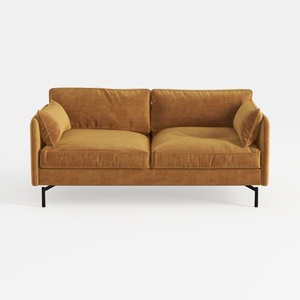
Corduroy High Resilience Sofa with 2 Pillows,57.9
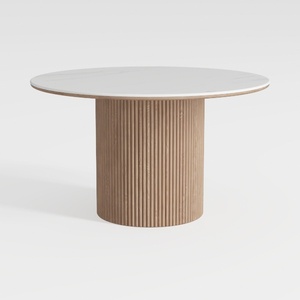
Mopio Quin Round Coffee Table with Storage, Drum A
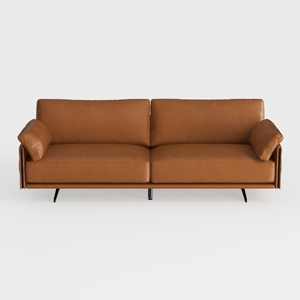

loveseat-Luxe Space
Homestyler is an outstanding online home design platform that empowers you to create stunning interiors effortlessly. With its user-friendly design tool, impressive 3D renderings, diverse design projects, and helpful video tutorials, you can easily transform your home ideas into reality. Unleash your creativity today!
Design Now for FREE
































