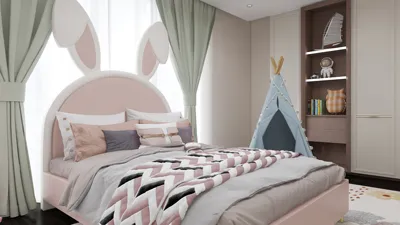


I once designed a cozy studio where the client insisted on incorporating three chandeliers, believing that additional lighting equated to enhanced luxury. It took me a week to convince them that effective ambient lighting revolves around layers rather than excess. Ultimately, we created a warm, magazine-worthy space that often left visitors asking, 'Where are the chandeliers?' In fact, designing for small areas encourages smarter lighting decisions, so I’d like to share five of my preferred ambient lighting strategies that truly elevate the experience.
1. Recessed dimmable downlights with accents
I’m a fan of recessed downlights as they maintain a clean ceiling appearance and visually enlarge a room. By employing dimmable LEDs on separate circuits, you can achieve a warm general glow or increase brightness for tasks; however, installation can be costly if it requires ceiling alterations. In a recent kitchen-living area I supervised, replacing a single bright fixture with layered recessed lights diminished glare while amplifying the sense of space.
save pin
2. Cove lighting to enhance perceived height
Cove lighting conceals strips of warm LEDs along ceiling edges or shelving tops, instantly creating the illusion of higher ceilings. This gentle, even illumination is particularly forgiving in compact spaces; however, careful planning is necessary to determine the channel and appropriate color temperature to complement existing fixtures. In a small bedroom that felt claustrophobic, introducing cove lighting along a wall transformed it into a spacious loft-like environment, all without the need for renovation.
save pin
3. Wall washers and uplights for added texture
Wall washers or uplights that cast light across surfaces can highlight textures and visually expand a room. These are ideal for accentuating a featured wall or tiling without adding clutter; however, placement is crucial to avoid unsightly hot spots. In one project, I strategically positioned slim uplights behind a bookshelf to add depth while keeping the layout uncluttered for easy movement.
save pin
4. Integrated furniture lighting for multifunctionality
Incorporating built-in or under-cabinet lighting within furniture serves dual purposes as ambient and task lighting. This can significantly maximize space in studios and micro-apartments, provided the furniture design can accommodate wiring or low-voltage strips. I installed concealed LEDs in a bedhead for a small rental, which delighted the tenant with a soft glow that was perfect for both waking up and reading.
save pin
5. Smart bulbs and layered scenes
Smart bulbs enable you to set up various layered scenes—such as for movie nights, dining, or cleaning—without needing to swap fixtures. Their flexibility is particularly beneficial for renters and dynamic living situations; the only downside is the occasional connectivity issues and the requirement of an intuitive app. For a client who frequently entertained guests, the ability to pre-set scenes made each event feel thoughtfully curated with minimal effort.
For anyone keen on visualizing these concepts in a practical plan, I often start my projects with a room planner to experiment with lighting placements and fixture dimensions. This approach not only saves time but also aids clients in envisioning the final look before any irreversible changes are made.
save pin
Tips 1:
Budget tip: It’s smart to prioritize a dimmer and select warm LED temperatures (2700K–3000K) to achieve cozy lighting without breaking the bank. A practical suggestion is to first test lighting setups with temporary fixtures to avoid any unexpected outcomes. For renters, investing in plug-in uplights and smart bulbs allows for layered ambient lighting without permanent modifications. If you seek templates or realistic layouts, using a free floor plan creator can expedite your planning process and provide immediate insight into scale.
save pin
FAQ
Q1: What exactly is ambient lighting? A1: Ambient lighting serves as the overarching illumination for a space, ensuring comfortable visibility and establishing the desired atmosphere. It forms the foundational layer that is complemented by task and accent lighting.
Q2: Which color temperature works best for living rooms? A2: Warm white lighting, typically between 2700K and 3000K, creates a welcoming and tranquil ambiance, while temperatures ranging from 3000K to 3500K offer a slightly more vibrant yet still comfortable atmosphere suitable for social areas.
Q3: What wattage or brightness is recommended for a small room? A3: Aim for 20–30 lumens per square foot for ambient lighting; areas designated for tasks, such as kitchens, will require greater luminosity. LEDs make achieving this goal efficient due to their low power consumption.
Q4: Is it possible to install recessed lights in a rental property? A4: Permanent installations of recessed lighting are often prohibited by landlords; it’s best to utilize surface-mounted or plug-in fixtures, or seek written permission beforehand.
Q5: Are smart bulbs a worthwhile investment? A5: Absolutely, they offer versatility and scene management, especially in smaller areas where one fixture may need to fulfill multiple roles. Just remember to consider ecosystem compatibility when selecting devices.
Q6: How can I reduce glare from uplights and wall washers? A6: Employing diffusers, carefully aiming fixtures, and opting for warmer, lower-intensity LEDs can help to mitigate harsh lighting spots.
Q7: Where can I find reliable lighting standards based on evidence? A7: The Illuminating Engineering Society (IES) publishes useful lighting guidelines and provides trusted authority on lumen and task illumination recommendations.
Q8: How do I effectively plan my lighting layout before purchasing fixtures? A8: Kick off with a scaled floor plan, identify activity zones, select layered lighting sources, and experiment with different setups. For rapid layout tests, consider using a 3D floor planner like Homestyler to visualize how ambient light interacts with various surfaces.
save pin
Homestyler is your go-to online platform for home design. With its user-friendly design tool, stunning 3D renderings, and a wealth of inspiring design projects and video tutorials, transforming your space has never been easier. Start creating your dream home today!
Дизайн сейчас бесплатно
































