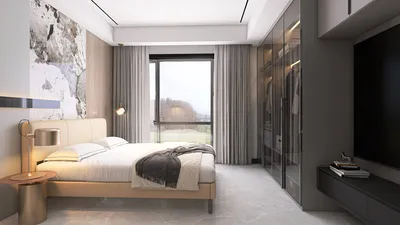


A well-designed sofa side table serves a more significant purpose than its size might indicate. It provides a base for lighting, organizes remote controls, and supports a coffee cup or laptop without obstructing movement. In the living rooms I've designed, achieving a surface height that is 1–2 inches above the sofa arm helps to minimize awkward wrist positions, aligning with guidelines from WELL v2 that focus on reducing musculoskeletal strain. Research from Steelcase links improved workstation ergonomics to enhanced comfort and sustained productivity, emphasizing the importance of those few inches, even by the sofa.
Dimensions play a crucial role in both functionality and aesthetic tranquility. I aim for a table width between 12–16 inches for slender arms, and up to 18–20 inches if it's also meant to hold a task lamp. Studies by Gensler highlight that reduced visual clutter benefits focus, as small, curated surfaces help minimize cognitive load and distracting elements. When it comes to lighting, I recommend pairing a table lamp with a power rating of 7–9W (2700–3000K) for a gentle ambient glow that avoids glare for seated users.
Essential Tools, Materials, and Suggested Dimensions
Key dimensions (adjust as necessary for your sofa):
Materials:
Tools Required:
Ergonomic Sizing and Layout Considerations
I begin by measuring three key reference points: the height of the sofa seat, the height of the arms, and the space available between the sofa and the wall. Ensure a minimum of 18 inches in common walkways; in compact living spaces, 14–16 inches can be sufficient alongside the sofa's end. If you're adjusting dimensions or proportions before making any cuts, utilizing a digital room layout tool helps visualize the space dynamics efficiently, allowing for a more accurate representation before finalizing your design: try a room layout tool and consider incorporating Homestyler for a seamless layout experience.
Cut List (Example for a 24H x 16W x 20L Table)
Adjust measurements according to your preferred joinery methods and the thickness of the top material.
Joinery Choices: Strong, Simple, or Artistic
Step-by-Step Assembly Instructions
Examine boards for any cupping or twisting. Use a plane or sand down until flat and slightly break sharp edges (approximately 1/32 inch chamfer) to prevent chipping of finish.
Cut the legs, aprons, and tabletop pieces. Clearly label parts, ensuring aprons are kept in pairs for uniformity in grain and color.
Arrange the legs and aprons on a flat surface. Confirm the apron setback (I prefer a 1/8–1/4 inch inset from the leg faces for a shadow effect).
For pocket screws, drill on the inside faces of the aprons. For mortise-and-tenon joints, first create mortises in the legs followed by fitting the tenons.
Construct two leg-and-apron 'U' frames. Ensure squareness using a carpenter's square; check diagonals for equal lengths within 1/16 inch. Attach the remaining aprons to complete the rectangular structure. Use clamp pads to protect the hardwood from bruising.
Position the base centered underneath the top with an even reveal. Use figure-8 fasteners or slotted holes in aprons to allow the top to move with the grain. Pre-drill holes to prevent splitting.
Sand surfaces in successive grits from 120 to 180 to 220. Wipe surfaces with mineral spirits or water to raise the grain, followed by a final pass with 220 for a smooth finish.
Apply two to three coats of waterborne polyurethane (which has low odor and fast drying time) or a hardwax oil for a more natural touch. I prefer three coats of polyurethane on the top for better resistance to rings and two coats on the base in family-oriented spaces.
Lighting, Color, and Sound Comfort
Combine the table with a lamp that operates at 2700–3000K for evening relaxation. A very warm light (2200K) can distort colors; anything cooler than 3500K can increase alertness during the night. For reading, target 300–500 lux on the page; position the lamp to avoid direct sight of the source at eye level, following IES glare control guidelines. In terms of color, oak finished in matte diminishes specular highlights, while a muted base color (LRV 35–55) keeps the visual weight grounded and less distracting in open layouts. Using a felt-lined catch-all or cork-backed coasters also helps in reducing noise, enhancing acoustic comfort.
Checks for Stability and Safety
Variations You Might Consider Next
Final Touches and Styling
Maintain a curated vignette on the table: one lamp, one vertical accent (such as a small vase or branch), and one horizontal element (like a stack of books or a tray). This trio creates a soothing rhythm and minimizes clutter, reflecting principles of attention stewardship evident in research from Steelcase and Gensler. If situated near a walkway, opt for a lamp shade with a diffuser to reduce glare for individuals standing.
Citations of Authority
For ergonomic and wellness factors mentioned here, refer to the WELL v2 standards and studies from industry experts that explore elements of posture, lighting comfort, and focus behavior. Additional insights on human-centric environments can be discovered through the Steelcase research and wellness strategies implemented in WELL v2.
Frequently Asked Questions
The surface of the table should ideally be within 1–2 inches of the sofa arm height. This measurement helps maintain neutral wrist positions when placing items like drinks or typing away on a laptop, thus minimizing reach strain.
For a single seat span, a width of 14–18 inches and a length of 18–22 inches is suitable. If the table will accommodate both a lamp and a stack of books, consider increasing the width to 18–20 inches.
Materials such as oak, ash, and maple are highly durable against dents, making them excellent choices for family rooms. If you're on a budget, consider using furniture-grade plywood with hardwood edge-banding.
No need to worry. For a small side table, pocket screws and glue will suffice as long as you keep everything square during the assembly process. If crafting a long-lasting heirloom piece, however, mortise-and-tenon joints will enhance both strength and craftsmanship.
Secure the top using figure-8 fasteners or screws through slotted holes in the apron, ensuring alignment with the grain. Avoid rigidly gluing the top to the base to allow for natural movement.
Opt for a 2700–3000K LED bulb, around 7–9W, housed in an opaque or fabric shade to mitigate glare. Strive for around 300–500 lux on the surfaces where you read, in line with IES task-lighting recommendations.
Incorporate adjustable levelers or thicker felt pads and adjust each corner post-placement. Installing a lower shelf can similarly improve stability and mass.
Waterborne polyurethane is excellent for providing resistance against scratches and rings while maintaining low odor. Hardwax oils give a more natural touch and are simpler to repair but may require more frequent upkeep.
Indeed. Ensure the base depth is at least 60% of the top's length, and maintain the height slightly above the cushion level so that the top clears the sofa without pressing against the upholstery.
Ensure at least 18 inches of clearance in main pathways. In more compact spaces, maintaining a distance of 14–16 inches beside the sofa is feasible, but avoid compromising space near doorways.
Absolutely—select a high-quality veneer core for durability. Edge-band with matching hardwood and slightly round off edges for a polished appearance.
Limit the items on the surface to three: a lamp, a vertical element, and a tray or stack of books. This approach fosters balance and maximizes usable space.
Homestyler is your go-to online home design platform! With its user-friendly design tool, stunning 3D renderings, and a wealth of DIY video tutorials, you can effortlessly create and visualize your dream spaces. Start transforming your home today!
今すぐ无料でデザイン
































