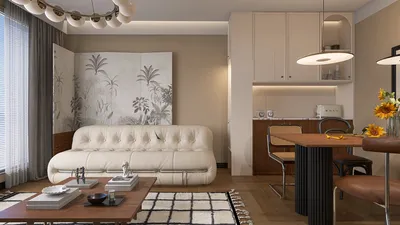


I focus on designing kitchens that simplify use—reducing the need for bending, minimizing blind reaches, and ensuring everything has an organized spot. Pull-out storage achieves this by transforming neglected corners, tight gaps, and deep spaces into easily accessible, ergonomic solutions. Task lighting and unobstructed sightlines are equally essential; the WELL v2 guidelines emphasize the importance of lowering visual strain and facilitating easy access to commonly used items, which contributes to healthier workspace environments, specifically in kitchens and food preparation areas (WELL v2 Lighting Design). Furthermore, when storage optimizes workflow, it leads to tangible benefits—research from Steelcase illustrates a strong connection between supportive environments and increased engagement and productivity, a principle that is directly applicable to home work zones like kitchens (Steelcase workplace engagement).
Ergonomic principles guide the most effective pull-out storage choices. For repetitive tasks, the optimal vertical reach zone typically ranges from approximately 24 to 48 inches above the floor, positioning heavier items at the lower end and lighter, more frequently accessed items at mid-shelf height—aligning with human factors considerations and WELL comfort strategies (WELL v2 Comfort concept). In terms of lighting, I adhere to IES recommendations for task illumination; preparation surfaces require brighter lights compared to ambient settings, and managing glare is vital when dealing with shiny drawers or chrome organizers (IES standards).
Slim Pull-Outs for Spices, Oils, and Baking Essentials
Incorporate 6 to 9-inch pull-out base cabinets next to the stove to hold oils, vinegars, and spices within easy reach. I recommend full-extension slides and adjustable rails to prevent items from toppling over. Stainless shelves lined with silicone reduce noise and resist spills. Include a shallow top tier for spice jars (with labels facing forward) and a deeper lower tier for taller bottles. Illuminate the space with a low-glare LED strip (2700–3000K) to maintain accurate color rendering for labels and ingredients.
Tray and Baking Sheet Pull-Outs
Vertical dividers within a pull-out or roll-out tray cabinet help manage the chaotic stack of pans. Spacing slots at 1.5 to 2 inches accommodates most baking sheets and cutting boards. Place this cabinet close to the oven to shorten the distance when handling hot pans and minimize risks. If your kitchen design is still evolving, use a layout simulation tool like Homestyler to visualize clearances and ensure proper door swing and handle ergonomics.
Deep Drawer Pull-Outs for Pots and Small Appliances
Swap out fixed shelves for 10 to 12-inch deep drawers equipped with robust slides intended for high loads. Implement internal pegs or adjustable dividers to secure pots, lids, and mixing bowls in place. I find that placing drawers for heavier pots at heights around 24 to 30 inches reduces the lifting effort. Consider including a concealed secondary drawer within the main drawer for storing knives and small utensils used alongside the pots, streamlining your cooking setup.
Corner Pull-Outs That Actually Work
Blind corner units with articulated shelves or swing-out trays help utilize space that would otherwise remain underutilized. The best options fully extract contents from the cabinets. Look for models that feature anti-rack hardware, soft-close mechanisms, and non-slip bases. These units should store medium-weight items; items like mixers and Dutch ovens are better placed in deep drawers instead of corners. If your kitchen space is limited, experiment with movement clearances using an interior layout planner before selecting corner hardware.
Under-Sink Pull-Outs and Cleaning Caddies
The under-sink area benefits from a U-shaped pull-out that circumvents plumbing issues. Incorporate a detachable caddy for cleaning sprays and cloths, a tilt-out front for sponges, and a slender rail for dishwashing tabs. Considering ventilation is crucial: enhanced airflow through perforated bottoms and easy-to-clean finishes helps control moisture. Position corrosive substances lower and secured; place dishwasher tablets at a higher, less accessible spot to prevent curious hands from reaching them.
Pull-Out Pantries: From Narrow Towers to Full-Height
A 12 to 18-inch-wide pull-out tower effectively organizes cereals, canned goods, and snacks with visibility from both sides. I prefer placing lighter items on higher shelves and bulk goods at waist level. Utilize side-rail baskets with 3 to 4 inch lips to prevent items from falling out of place. For full-height units, integrate a top LED light with door-activated switching to illuminate labels clearly and avoid shadows. If the refrigerator is close by, consider matching handle styles to create a cohesive visual appearance on the tall unit.
Drawer-within-Drawer Cutlery and Utensils
Implement a shallow inner drawer system to keep daily cutlery organized separate from specialty tools. Maple or bamboo inserts not only absorb sound but also provide a warmer tactile experience than plastic alternatives. Store knives in a slotted block to safeguard blades and fingers. Arrange tools left-to-right from preparation to cooking: peeler, shears, tongs, spatulas near the cooktop; whisks and microplanes positioned closer to the prep area.
Roll-Outs for Dry Goods and Bulk Storage
For base cabinets, roll-out shelves placed at 5 to 7-inch intervals convert a static box into a mini-pantry. I advise using clear, airtight bins labeled on the short sides so they’re visible when pulled out. Consider repackaging flour and sugar into uniform containers that fit two per roll-out for better organization and visual appeal. Store oils and grains in cooler, darker areas, away from heat emitted by the dishwasher, to prolong shelf life.
Appliance Garages with Pull-Out Platforms
Reduce countertop clutter by housing small appliances behind a lift-up door that slides out on a pull-out platform. Verify the height for plug-ins and how cords are routed to ensure the mixer can operate without lifting it out. A soft-close tambour door maintains clean sightlines in open-plan kitchens. Keep the interior surfaces matte to minimize glare from task lighting, enhancing comfort during early-morning coffee routines.
Waste, Recycling, and Compost Pull-Outs
Categorize waste streams where disposal typically occurs: near the preparation area for compost, and nearby the cleanup area for recycling and general trash. A pull-out featuring two or three bins with sealed lids and a small top drawer for liners keeps odors contained. Install it at the end of the island to shorten the distance from chopping to disposal. Consider using a foot-operated opener for messy hands.
Corner Drawers vs. Lazy Susans
Corner drawers provide diagonal stacking and smooth presentation of contents, while lazy Susans work well for round or medium-sized bulk items. I typically favor drawers in kitchens with tight spaces and opt for lazy Susans when door swings permit. Both options benefit from non-slip liners and internal lighting to avoid searching in the dark.
Lighting Your Pull-Outs
Incorporate low-glare LED strips set between 2700-3000K inside tall pull-outs and deep drawers. Implement door sensors to facilitate hands-free operation. For storage adjacent to preparation areas, aim for a higher task illumination than ambient light to mitigate eye strain, adhering to IES task lighting regulations. Maintain a Color Rendering Index (CRI) of 90 or above to ensure spices, produce, and labels are easy to see accurately.
Materials and Finishes That Survive Real Kitchens
Powder-coated steel, anodized aluminum, and sealed hardwood inserts withstand wear and moisture more effectively than bare particleboard alternatives. Opt for matte or satin finishes to minimize glare; high-gloss surfaces may create unwanted reflections when pulled under bright task lights. Soft-close, full-extension slides rated for 75 to 100 pounds help prevent racking over time.
Planning the Workflow: Prep, Cook, Clean
Organize pull-outs by their functions. Keep knives, cutting boards, and mixing bowls positioned between the refrigerator and sink (for preparation). Place spices, oils, and cooking utensils flanking the cooktop (for cooking), and store dishes, flatware, and towels near the dishwasher (for cleanup). I prefer to validate these layouts with a room design visualization tool like Homestyler before finalizing cabinetry, as simulating daily activities provides a more accurate view than guessing.
Small Kitchens: Making Narrow Gaps Work
Transform 3 to 6-inch gaps beside stoves or refrigerators into pull-out storage for brooms, trays, or spices. Utilize narrow toe-kick drawers for sheet pans and placemats. When working with galley layouts, ensure you maintain at least 36 inches of aisle clearance; 42 inches feels more spacious for two individuals. In tight spaces, prioritize deep drawers over hinged doors to reduce conflicts when opening.
Acoustics and Soft-Close Hardware
Given that kitchens tend to be lively spaces acoustically, implementing soft-close slides and dampened hinges decreases noise, while felt or silicone bumpers on organizer bases quiet metal contacts. If your kitchen opens to living areas, these enhancements are crucial for maintaining conversational comfort.
Color Psychology for Intuitive Organization
Utilize subtle color coding inside drawers to signal function without overwhelming visual senses. Warm neutrals induce calmness; desaturated green can indicate fresh produce or cleaning supplies, while a muted orange liner can designate baking tools—colors that are easy to recognize under warm-white task lights and lessen decision fatigue.
Safety and Human Factors
Position heavier tools between knee and hip height, install child-proof locks where necessary, and round the edges of pull-out fronts for safety. Clear the floor space: toe-kick lighting or a low-output night path can prevent trips during late-night excursions. Place fire extinguishers outside of pull-out zones so that a jammed drawer never obstructs access to safety equipment.
Quick Specs I Trust
- Heavy pots: deep drawers at 24–30 inches high, capable of supporting 100 lbs
- Spices and oils: pull-out cabinets sized 6–9 inches next to the cooktop
- Cutting boards and sheets: dividers-spaced at 1.5–2 inches, located near the oven
- Trash/recycling units: positioned closest to preparation and cleanup areas
- Aisle space: minimum width of 36 inches; 42 inches for comfortable two-person access
From Plan to Reality
Take measurements of the items you own before choosing organizers. Group them by frequency of use, then allocate a pull-out with the appropriate height, load capacity, and lighting. If you're restructuring cabinetry, use interior layout planners like Homestyler to prototype workflow so that you can verify reach, traffic flow, and appliance clearances before making any installations.
FAQ
For stocked items, a clearance height of 10 to 12 inches works well; 14 to 16 inches accommodates taller cereal boxes. Position heaviest items between 24 to 42 inches from the floor for safer lifting practices.
Using low-glare LED strips in the 2700 to 3000K range, maintaining a CRI of 90+, ensures labels remain readable and colors are represented accurately. Door-activated sensors facilitate hands-free contact, while light shields help reduce glare.
Absolutely, particularly 6 to 9-inch units at the cooktop’s flanks. They efficiently transform otherwise awkward spaces into frequently used storage and decrease steps needed during cooking.
Opt for a corner pull-out when total extraction and enhanced access to rectangular items is essential; choose a lazy Susan for storing round or medium-bulk items when you have ample door swing space.
Minimize categories within each drawer, utilize adjustable dividers, and label the front edges. Review contents quarterly; eliminate duplicates and relocate less frequently used tools to higher or more distant storage locations.
Look for soft-close, full-extension slides designed to hold between 75–100 pounds per drawer. If spans exceed 30 inches, reinforce the cabinet structure.
Consider positioning a multi-bin pull-out at the end of the island or near the prep station, with an additional access point positioned close to the sink or dishwasher for streamlined cleanup.
Certainly. Focus on using deep drawers instead of doors, leverage narrow pull-outs for spices or trays, and ensure at least a 36-inch aisle for comfortable movement throughout the kitchen.
Materials like powder-coated steel, anodized aluminum, and sealed hardwood inserts resist moisture and wear. Add non-slip liners to decrease noise and enhance durability.
Plan your daily cooking sequence and validate clearances and workflows through a room layout tool to ensure accurate reach zones, door swings, and bin access.
Homestyler is your go-to online home design platform. With its user-friendly design tool, stunning 3D renderings, and an array of inspiring design projects and DIY video tutorials, you can effortlessly create the home of your dreams. Start designing today!
Diseño ahora GRATIS
































