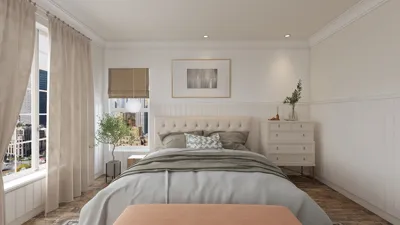


Throughout various residential and hospitality projects, I've constructed an impressive number of nightstands. A well-designed bedside table strikes a perfect balance between reach, stability, and sufficient surface area. To ensure optimal height, I maintain the tabletop level within 1-2 inches of the mattress height, making it easy to access a glass of water or a book without straining the shoulders. The WELL v2 standards highlight neutral reach zones, which significantly lower musculoskeletal stress—a simple guideline that proves valuable each night. Generally, a square size of 16-20 inches, or its equivalent in round, is ideal for most bedrooms, preventing any obstruction of movement.
When planning dimensions, it’s essential to consider both lighting and reading habits. According to the Illuminating Engineering Society, bedside reading should achieve 300-500 lux in home settings; positioning a lamp at 18-24 inches above the tabletop typically meets this requirement while preventing glare that could disturb sleep. Additionally, color choice plays a critical role: Verywell Mind suggests that shades of blue and green can alleviate stress and enhance tranquility; hence, I often choose a soothing sage or deep navy finish for the inside of drawers, offering a calm visual cue upon opening.
Design Objectives and Proportions
Starting with good ergonomics, the height should align with the mattress level: measure your mattress height and place the tabletop within a 1-2 inch range. Keep the overall size compact—16-20 inches wide for tighter spaces, or 20-24 inches if requiring space for a lamp and storage. Maintain a depth of 14-18 inches to allow easy access without bumping knees during nighttime movements. If your room layout requires careful planning, consider employing a layout simulation tool such as Homestyler to create a quick mock-up before cutting any materials.
Materials: Strong, Sustainable, and Repairable
For a DIY project, selecting solid hardwoods such as oak, ash, or maple is beneficial, as they are easy to sand and refinish. Plywood with a hardwood veneer also offers a good balance of cost and stability. I prefer low-VOC finishes and oils that promote healthier air quality indoors—keeping odors at bay and aligning with contemporary wellness standards. To ensure longevity, favor durable joinery over quick-fix solutions: consider using screwed pocket holes for the structure, dowels or domino tenons for legs and aprons, along with a replaceable top that can be resurfaced after years of use.
Simple Design: A Minimalist Nightstand with Box-and-Leg Structure
This design features a compact box carcass with one drawer and an open shelf, elevated on four tapering legs.
• Top: 18 x 16 inches (3/4 inch thick)
• Sides: 16 x 14 inches (3/4 inch thick)
• Bottom: 18 x 14 inches (3/4 inch thick)
• Back: 18 x 16 inches (1/2 inch thick)
• Drawer Front: 16 x 6 inches
• Drawer Box: sized to fit slides (usually allowing for 1 inch total clearance)
• Legs: 4 pieces at 20-22 inches, tapering to 1 inch at the foot
• Required tools: circular or table saw, drill/driver, pocket-hole jig
• 12-14 inch full-extension drawer slides
• Wood glue, screws, clamps
• Sandpaper (120/180/220 grit), low-VOC finish
Step-by-Step Guide to Construction
1) Prepare and square: Mill and sand all panels to a smooth 180 grit. Ensuring accuracy at this stage prevents issues later on.
2) Assemble the carcass: Join the sides to the bottom using pocket-hole screws or dowels; apply glue and clamp. Attach the back panel for structural support, which is essential for stability.
3) Attach the top: Float the top using figure-eight fasteners or slots, allowing for seasonal wood movement. Center it with a 1/2 inch overhang to facilitate easy handling.
4) Fit the legs: Mortise and tenon is the recommended method; otherwise, for DIY projects, use threaded inserts or hanger bolts secured into the carcass base rails. A slight splay (5-7 degrees) provides a solid stance without looking bulky.
5) Construct the drawer: Use 1/2 inch material for the sides and 1/4 inch for the bottom in a groove. Install slides according to the manufacturer's specifications, checking for an even reveal. Opting for a leather pull or simple knob can prevent clothing snags.
6) Sand and finish: Softly round edges to a 1/32 inch radius to prevent dings. Apply two coats of low-VOC polyurethane or hardwax oil, allowing sufficient time to cure completely to avoid odors near your bedding.
Ergonomics, Lighting, and Nighttime Routine
I place the lamp in a manner that keeps the bulb just ahead of the headboard line to reduce direct line-of-sight when lying down. If glare becomes an issue, consider switching to a 2700K warm LED with a fabric shade for better diffusion. To maintain an uncluttered space for late-night access, keep the tabletop clear—just a glass, phone, or book—while less-used items can be stored in the drawer. If reading in bed, adjust pillow height and lamp placement to provide adequate light without casting shadows on your reading material; aiming for that 300-500 lux benchmark is advisable.
Color, Texture, and Psychological Effects
Nightstands serve as compact canvases; thus, they effectively showcase color. Calming hues—gentle blues, greens, and earthy tones—can help ground bedtime routines. Subtle contrasts (such as a light top paired with darker legs) create a visual rhythm without overwhelming the design. A matte finish can minimize glare after sunset, contributing to a more tranquil bedside environment.
Sound Comfort and Surface Options
While metal pulls may create noise during nighttime use, leather or wood alternatives help mute sound. Placing felt pads underneath the legs protects the flooring and dampens vibrations. For individuals sharing a bed with someone whose sleep schedule differs, soft-close slides can significantly reduce drawer noise.
Storage Considerations
Design the drawer to be about 5-7 inches high for keeping essentials at hand, while having an open shelf either above or below for accommodating a book or tablet. If minimalism is your preference, consider forgoing the drawer and instead adding a lip on the top to stop items from falling when reaching in the dark.
Safety and Stability
It’s crucial to evaluate tip resistance. A wider stance and a 1-2 inch rear setback for the legs enhances stability. If a heavy lamp occupies one corner, add a discreet counterweight or reinforce it with a cross rail. Rounded edges can help reduce nighttime bumps.
Finishes and Maintenance
Opt for low-VOC finishes in proximity to pillows. Hardwax oils are repair-friendly: they allow for buffing of scratches and spot oiling, making your nightstand look like new. Steer clear of high-gloss finishes in bedrooms, as reflections can add to visual clutter.
When to Tailor Your Design
If your bed features an integrated headboard shelf, consider adjusting the nightstand to be narrower and taller. In smaller rooms, a wall-mounted floating shelf simplifies cleaning and keeps the floor free from clutter. You can test various dimensions with an interior layout planning tool like Homestyler to visualize circulation and functionality around your bed.
Research and Reference Points
Principles of ergonomic reach and nighttime comfort are backed by WELL v2 guidelines focused on human-centered design, alongside the IES recommendations for residential lighting. For further insight, refer to the WELL v2 Ergonomics and IES standards for comprehensive understanding.
Frequently Asked Questions
Q1: What’s the best height for a bedside table?
A: Ideally, the tabletop should be positioned within 1-2 inches of your mattress height, facilitating neutral reach and minimizing shoulder strain, as recommended by ergonomic best practices under the WELL v2 standards.
Q2: How much illumination do I need for reading before bed?
A: Target 300-500 lux at your reading surface. A warm LED lamp set to 2700K with a fabric shade usually provides the ideal low-glare lighting, aligning with IES guidelines.
Q3: What size is most suitable for compact bedrooms?
A: An ideal footprint would be around 16-18 inches in width by 14-16 inches in depth to ensure unobstructed movement while allowing space for a lamp, book, and a glass of water.
Q4: What materials are best for DIY projects?
A: Solid hardwoods such as oak, ash, or maple, or quality plywood with a hardwood veneer are excellent choices. Pair them with low-VOC finishes to ensure protection of indoor air and ease of maintenance.
Q5: Is a drawer or an open shelf more practical?
A: A single drawer, ideally 5-7 inches high, can conceal clutter and minimize nighttime disturbances. If you favor a minimalist style, an open shelf allows easy visibility and quick access to essentials.
Q6: How can I avoid glare from my bedside lamp?
A: Position the bulb ahead of the headboard line, opt for a 2700K warm LED, and include a fabric shade. If glare continues to be an issue, you may slightly lower the lamp height or select materials with matte finishes.
Q7: How can I evaluate my nightstand dimensions prior to construction?
A: Create a mock-up using cardboard or leverage a room design visualization tool online such as Homestyler to simulate movement and accessibility around the bed.
Q8: What type of joinery is sturdy enough for daily use?
A: Utilize pocket-hole screws for carcass assembly, dowels or domino tenons for supporting legs and aprons, and ensure the top is able to float using figure-eight fasteners to accommodate wood movement.
Q9: Are there specific colors that can enhance sleep quality?
A: Softer hues like blues and greens have been linked to reduced stress levels; opting for gentle, muted tones helps to minimize visual stimulation at night, resonating with color psychology principles.
Q10: How do I ensure my nightstand remains stable with a heavy lamp?
A: Implementing a wider leg stance, incorporating a rear setback, and considering a hidden cross rail or counterweight will enhance stability if the lamp is particularly heavy.
Homestyler is your go-to online home design platform! With its user-friendly design tool, stunning 3D renderings, and a wealth of inspiring design projects and video tutorials, you can effortlessly create and visualize your dream spaces. Start your design journey today!
Design Now for FREE
































