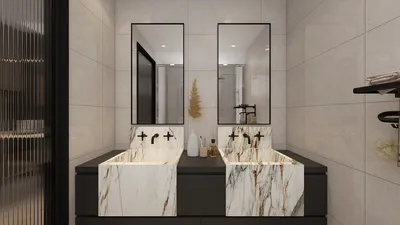


Adding texture to your walls introduces depth, warmth, and a three-dimensional feel that standard paint often cannot deliver. In living areas, where we balance social interaction, screen time, and relaxation, textured wallpapers can not only define different spaces but also create an illusion of higher ceilings while enhancing lighting effects throughout the room. A Steelcase study indicates that nearly half of the participants noted the importance of sensory aspects in their living environments, highlighting the significance of tactile elements in our daily lives. Furthermore, WELL v2 emphasizes the benefits of visual and material diversity for mental well-being, advocating glare control and even lighting to combat visual fatigue (WELL L04, L08).
The key to showcasing textured surfaces lies in proper lighting. The Illuminating Engineering Society recommends that living rooms maintain ambient lighting levels between 100 and 300 lux, complemented by layered task lighting for activities, ensuring that textures appear deliberate rather than jarring (as outlined in IES residential lighting standards). Additionally, research on color psychology by Verywell Mind emphasizes that warm neutral shades create a calming environment, which is particularly beneficial when selecting textured wallpapers that will not overwhelm shared spaces.
Select the Ideal Texture for Your Room's Character
When choosing textures, I approach it similarly to selecting fabrics for a custom suit: the material should align with its intended purpose. For example, grasscloth and sisal add natural irregularities and subtly diffuse light, making them perfect for warm, inviting lounges. On the other hand, silk or linen weaves introduce a refined sheen suited for more elegant sitting areas. For family-friendly environments, embossed vinyl or nonwoven wallpapers with tactile surfaces are ideal, as they are durable, easy to clean, and resistant to wear. In minimalist spaces, a micro-rib or basketweave adds just enough texture to avoid flatness without clashing with architectural details or artwork. Incorporating tools like Homestyler can assist you in visualizing these textures within your space.
Achieving Balance in Scale, Patterns, and Visual Flow
Textures can appear differently depending on viewing distance—what looks good up close may not translate well from afar. Larger textured elements, such as fluted or sculptured designs, can cast strong shadows that might make a small room feel even cozier if not used judiciously. In smaller living areas, I prefer medium to fine textures with gentle directional grains; these can elongate the space when placed in line with the longest wall. For bolder relief designs, choose a standout wall and softly repeat the texture through other elements like bouclé throws and woven blinds to establish a harmonious feel.
Understanding Light, Shadow, and Color Temperature
Texture involves a combination of materials and lighting. Aim for a layered lighting setup: ambient lighting at 100-300 lux, task lighting for reading areas at 300-500 lux, and accent lighting at 200-300 lux to highlight textured walls. Warmer whites within the 2700-3000K range enhance the beauty of natural materials like grasscloth, while cooler tones at 3500K can impart a crisp edge to gray or concrete textures. To avoid overpowering the texture, refrain from placing high-brightness fixtures too close to heavily textured surfaces, as this can cause glare and harsh highlights. A gentle wall grazing effect from 12-18 inches away can illuminate the texture nicely without being harsh.
Optimal Locations for Texture
Position textured wallpaper where it naturally draws the eye: behind the sofa, framing the fireplace, or anchoring the TV wall with a low-gloss, subtly patterned surface to minimize reflection. In open-concept living spaces, a textured alcove can help define the lounging area without the need for barriers. For elongated rooms, applying texture to the shorter wall can visually balance proportions and reduce a narrow or tunnel-like effect.
Fusing Color Psychology with Tactile Experiences
The feel of a surface influences our color perception. Textured warm taupes, wheat, and clay shades create a calm and inviting ambiance, perfect for spaces used primarily in the evenings. Rich charcoal or deep blue suede textures provide an intimate backdrop for art and brass details. According to Verywell Mind’s insights on color psychology, blues and greens are associated with tranquility and concentration, making soft blue-gray textures a fitting option for media-oriented living rooms. When pairing textures with colors, consider slightly lowering saturation levels, as the texture itself offers sufficient visual intrigue.
Acoustic Advantages of Texture
Textured wall coverings can effectively dampen mid to high frequencies, especially when complemented with nonwoven backing. While they do not replace extensive acoustic treatments, they can help minimize slap echo in spaces with hard flooring and large windows. Pair textured walls with dense rugs and lined draperies to achieve a balanced sound profile. For those who enjoy movie nights, consider using heavier textile-effect vinyl on the TV wall along with a wool rug to absorb sound reflections.
Considerations for Touch, Durability, and Maintenance
In homes frequented by children or pets, I recommend durable, scrub-resistant textured vinyls (check for scrubbability ratings) or tightly woven nonwovens that resist snags and scuffs. While grasscloth remains stunning, it’s best placed away from direct sunlight and heavy foot traffic, as natural fibers can fade and are more challenging to clean. For sunlit rooms, opt for wallpapers made with UV-resistant inks and seams designed to stay hidden. During installation, applying a primer-sealant improves adhesion and ease of future removals.
Allowing Texture and Art to Coexist
Art requires negative space to shine. When displaying it on textured wallpaper, use wider mats or frames to ensure the texture serves as a backdrop rather than a rival. Avoid reflective glass over textured surfaces to prevent disruptive highlights. If the artwork itself is intricately textured (like impasto or mixed media), consider a more subdued wall finish nearby to create visual balance.
Design Moves That Enhance Texture
Texturing should align with how the room is used. For a reading nook, wrap a fine-weave texture behind your chair along with a task lamp providing 300-500 lux. In social areas, a textured backdrop for the main seating area helps delineate conversational spaces. When exploring focal walls versus comprehensive wraps, a seating arrangement tool, such as Homestyler, can help visualize sightlines and shadows throughout the day. Testing layouts can assist in determining best placements for furniture, lighting, and accent walls.
2024-2025 Material Trends to Embrace
Three fresh material trends are gaining traction for their durability and stylish appeal: (1) subtly ribbed vinyl or nonwoven plasters that mimic the look of limewash, minus the upkeep; (2) grasscloths featuring mélange yarns that blend warm and cool hues for dynamic color shifts; and (3) suede- and nubuck-like wallpapers with micro-nap surfaces that dampen sound and soften light. These materials pair beautifully with curvy furniture shapes and the layered neutrals prevalent in modern living room designs.
Prioritizing Sustainability and Health
Seek out low-VOC inks and substrates, third-party emissions certifications, and manufacturers with transparent material sourcing. Although natural-fiber wallpapers are breathable, they may be more fragile; recycled-content nonwovens offer a middle ground. Strive to merge performance with ecological goals—especially in frequently used living rooms—by opting for finishes that can be scrubbed and repaired, avoiding high-gloss coatings that heighten glare.
Installation Tips from Professionals
Always order an extra 10-15% of wallpaper to account for pattern matching and potential repairs. Ensure you request a consistent lot for color accuracy. When dealing with heavily textured patterns, align seams away from direct lighting to keep them less visible. In older homes with uneven walls, using a liner paper can help create a smoother surface for better final results. After installation, test the lighting throughout the day to ensure the shadows behave as desired; adjust lamp placements rather than blaming the wallpaper itself.
Quick Texture Pairing Guide
- Grasscloth + oak, linen, oxidized brass, warm 2700K lamps
- Embossed geometric vinyl + walnut, boucle, matte black metal, 3000-3500K
- Suede-effect nonwoven + stone, smoked glass, antique brass, 2700-3000K
- Micro-rib neutral + light ash, cotton, chrome accents, 3000-3500K
Reference Inspirations for Design
For lighting and visual comfort strategies, I often reference IES recommendations alongside WELL v2 guidelines on luminance and glare management, while also considering Verywell Mind’s insights into color psychology when adjusting color palettes. These resources aid in aligning sensory richness with authentic comfort rather than mere novelty for its own sake.
Frequently Asked Questions
Q1. What type of textured wallpaper is best for small living rooms?
A light, warm neutral in a fine or medium weave is ideal. Keep the relief subtle and align the texture with the longest dimension, lighting it at 100-200 lux with a gentle wall-graze to elongate the room visually.
Q2. Will textured wallpaper make my room feel darker?
It can, especially if the relief is pronounced and the color is deep. Balance this with layered lighting at suitable lux levels and opt for low-sheen, mid-tone textures if you want depth without sacrificing brightness.
Q3. Can I place textured wallpaper behind a television?
Absolutely—just select a low-gloss finish and avoid high-relief patterns that could create distracting highlights. Aim for ambient lighting in the 2700-3000K range, along with dimmable accent lights to minimize reflections on the screen.
Q4. How do I maintain textured wallpaper?
Most nonwoven and vinyl options can simply be wiped down with a damp cloth; make sure to check the manufacturer's scrubbability rating. Natural fibers like grasscloth will need dry dusting with prompt attention to any spills that occur.
Q5. Which textures are beneficial for acoustics?
Textile-effect vinyls, suede-like nonwovens, and natural fiber weaves can significantly dampen echoes. While they won’t replace dedicated acoustic solutions, they are effective under certain conditions.
Q6. How do I coordinate texture with bold artwork?
Opt for subtle textures or tight weaves in mid-tones. Increase the width of mat borders and choose non-reflective glazing. The texture should complement, not compete with, the artwork.
Q7. Are there eco-friendly textured wallpaper options available?
Yes, many options exist; prioritize low-VOC inks, recycled-content nonwovens, or natural fibers with transparent sourcing. Always verify emissions certifications when possible.
Q8. Is it necessary to texture all four walls?
Typically, one or two walls suffice in most living rooms. Full wraps are suitable for larger spaces with uniform daylight and careful lighting control. Test large samples and lighting effects before making a final decision.
Q9. What is the ideal color temperature for textured walls in the evening?
A warm 2700-3000K range is generally most flattering for natural textures, preserving the softness of shadows without making the space feel stark.
Q10. How should I arrange furniture around a textured focal wall?
Position the main sofa or a pair of chairs against the textured wall to stabilize the overall layout. Utilize planning tools like Homestyler to assess sightlines and traffic flow prior to the final arrangement.
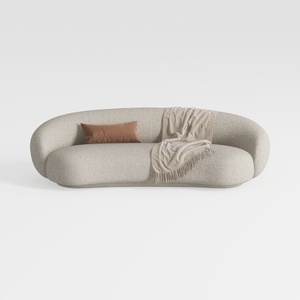

Meridian Furniture 693Cream-L Hyde Collection
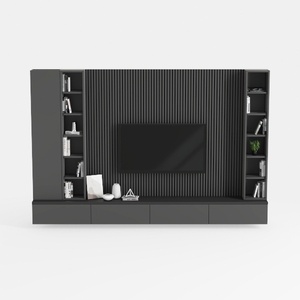
Sideboard Buffet, Kitchen Storage Cabinet with

Bird's Nest-Shaped Hand-Woven Light Gray Aluminum
Homestyler is your go-to online home design platform! With its user-friendly design tool, stunning 3D renderings, and an extensive collection of DIY video tutorials, you can easily create and visualize your dream home. Dive in and unleash your creativity today!
Diseño ahora GRATIS
































