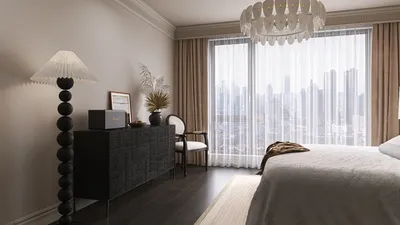


In my design philosophy, I treat living rooms as vibrant galleries, where scale, lighting, and storytelling intertwine. An artwork can serve as a pivotal anchor, guiding sightlines, maintaining proportionality, and establishing the emotional atmosphere of the space. When chosen thoughtfully, a single piece can enhance perceived ceiling height, improve acoustics, and unify varied furniture styles into a harmonious narrative. Utilizing tools like Homestyler aids in visualizing these compositions effectively.
The aspects of scale and positioning are guided by more than intuition. According to the International WELL Building Institute, environments that prioritize visual comfort and restorative elements are linked to better occupant experiences. The Visual Lighting Design framework in WELL v2 focuses on managing glare and ensuring adequate luminance contrast. Furthermore, Gensler’s research highlights that a diverse visual environment, including art, fosters engagement and wellbeing when elegantly integrated into overall sightlines. These insights emphasize that aligning the scale of art with a room’s visual rhythm enhances the spatial experience, encouraging people to linger and enjoy.
Proper lighting is essential for showcasing art effectively. The Illuminating Engineering Society (IES) suggests maintaining an ambient light level between 50 and 200 lux in residential spaces, while accent lighting for artwork usually aims for higher intensity to highlight without causing glare. Specific beam spreads (15°–30° for focused lighting) and warm color temperatures (between 2700K to 3000K) ensure that paintings are viewed as intended, preserving their colors without distortion.
Selecting the Right Canvas Size: The 60–75% Rule
To determine canvas size, I typically create pieces that occupy 60–75% of the width of related furniture, like a sofa or console. For instance, an 84-inch sofa pairs well with a piece that is approximately 50–63 inches wide. In rooms with ceilings lower than 8'6", leaning towards horizontal designs is preferable, whereas ceilings at 9' or higher can accommodate vertical arrangements to elongate the space. Introducing asymmetry, such as pairing a large canvas with a slender floor lamp, can add dynamism without clutter. Tools like Homestyler can be invaluable when evaluating proportions before making a purchase.
The Impact of Color Psychology: Paintings That Influence Mood
Art color strongly affects perceived warmth and tempo in living spaces. Calm hues like blues and muted greens promote tranquility and cognitive clarity, while vibrant reds and oranges can elevate energy levels. Research compiled by Verywell Mind shows that blue tones are commonly linked to peace, while yellow can evoke optimism when utilized selectively. I favor pairing cool-toned artworks with high-contrast decor to create balance, while warm abstracts add liveliness to neutral settings.
Choosing Art Styles: Abstract, Figurative, Landscape, and Minimalist
- Abstract Pieces: Perfect for open layouts; their inherent ambiguity allows you to manipulate intensity through color and scale. Large, gestural abstracts harmonize beautifully over modular sofas.
- Figurative Works: Bring in narrative and character, especially advantageous in smaller spaces where mid-tone palettes prevent overcrowding visually.
- Landscape Art: Ideal for enhancing depth perception, particularly when the horizon levels with seated eye height (around 42–48 inches from the floor).
- Minimalist Art: Suitable for contemporary or Japandi settings; clean, textured canvases engage viewers without drawing excessive attention.
Illuminating Your Artwork: Layers, Angles, and Preventing Glare
To optimize the display of art, I aim lighting fixtures at approximately 30° from vertical to reduce reflections on varnished surfaces. The ideal setup combines ambient light at 200–300 lux, accent lighting achieving about 3:1 contrast on artwork versus the surrounding area, and task lighting for reading in seating areas. Maintaining a consistent color temperature is vital; I recommend around 2700K for warm spaces or 3000K for modern, crisp palettes, while direct sunlight should be avoided to prevent fading.
Acoustic and Material Choices
Canvas serves to mitigate high-frequency sound reflections, especially in conjunction with rugs and upholstered furniture. In active spaces with hard surfaces, consider using a multi-panel canvas or an arrangement of gallery pieces for sound diffusion. Regarding framing, preferences lean towards slim maple, white oak, or blackened steel based on color schemes and sheen; opting for low-VOC finishes and FSC-certified woods aids in promoting better indoor air quality and sustainability efforts.
Focal Point Techniques for Varied Living Spaces
- Compact Apartments (under 200 sq. ft.): Utilize one impactful canvas, around 48–54 inches wide, positioned lower (center at 56 inches) to enhance perceived height.
- Elongated Rooms: A panoramic artwork can stretch sightlines and should be complemented by appropriate furniture like a low bench or media unit.
- Lofted Spaces with High Ceilings: Opt for vertical artworks, such as diptychs or canvases with a 1:2 ratio, to bridge the gap between lower furniture and ceiling space.
- Open Plan Living-Dining Areas: Anchor the living area with a warmer, textured artwork, while employing a cooler, more subdued piece in the dining space to avoid overstimulation.
Oversized Statement vs. Gallery Wall
Selecting a significant single artwork can create a strong architectural presence—minimal yet powerful. Conversely, a gallery wall can narrate a visual story. If opting for a gallery approach, ensure there's a spacing of 2–3 inches between frames, align the tops or bottoms, and maintain a cohesive palette (like using black frames with cream mats) to limit visual clutter. Mixing canvases with photography can add depth, but remember to leave at least one area with bare wall for breathing space.
Optimal Hanging Height and Sightlines
For most living rooms, artwork should be centered around 57–60 inches from the finished floor, adjusting according to the sofa height. With tall sofas, raise the gathering point to retain a 6–8 inch gap. When hanging art over consoles, keep it 4–6 inches above to avoid a cramped appearance. Always evaluate from the main seating area—this primary sightline will determine whether the art truly resonates within the space.
Commissioned vs. Pre-Made Artwork
Commissioning art allows for perfectly tailored scale and color palette, often at surprising affordability. Share dimensions, photos, fabric swatches, and desired lighting color schemes to help guide the artist. Alternatively, ready-made pieces can shine when you embrace spontaneity—choose what resonates with you, then design the room around it using accessories like throws, books, and a single accent color pulled from the artwork.
Maintenance, Framing, and Ensuring Longevity
Opt for UV-filtering materials only if you can manage reflections; otherwise, a well-varnished canvas exhibited without glass tends to feel more open and inviting. Avoid placing paintings in constant direct sunlight and away from active HVAC vents. Dusting frames lightly with a soft brush and refraining from using household cleaners can assist in their preservation. For valuable items, monitor humidity levels (ideally around 40–55%) to safeguard the artwork's integrity.
A Quick Guide to Color Combinations
- Cool-neutral Rooms (gray, taupe, black): Introduce warmth through sienna, rust, or blush-hued abstracts.
- Warm Wood-heavy Spaces: Implement teal, indigo, or charcoal to harmonize with amber tones.
- Vibrant Rooms: Select a canvas that features 1–2 dominant hues at 60% intensity to create cohesion without conflict.
Utilizing Layouts Before Purchase
I often simulate artwork placement at true scale—using painter's tape on walls, or digital tools—to circumvent costly mistakes. When contemplating multiple walls for art, a straightforward interior layout planner is crucial for maintaining balance throughout the various zones of the room: employing tools like Homestyler can streamline this process significantly.
Expert Insights and Further Reading
Delve into the frameworks surrounding visual comfort and environmental quality through the WELL v2’s Visual Lighting Design guidelines at wellcertified.com, and access Gensler’s research library for insights connecting environmental variety and user experience at gensler.com/research. Their findings consistently affirm what I have witnessed in numerous residential projects: scale, light, and narrative are pivotal elements that transform art into an immersive experience.
Frequently Asked Questions
A canvas width of approximately 60–75% of the sofa works effectively—usually between 48–63 inches for standard dimensions of 72–90 inches. Maintain a gap of 6–8 inches above the back cushions for optimal aesthetics.
Cool color palettes (gentle blues, greens, and blue-grays) typically enhance calmness. Summarizing from Verywell Mind, blue resonates with tranquility, so keeping color saturation moderate is beneficial to deter visual fatigue.
Aim for a center height of 57–60 inches from the finished floor, adjusting upward for taller sofas. In spacious rooms with high ceilings, a maximum of 62 inches may be appropriate, as long as the art piece maintains connection with the furniture.
For effective illumination, position lighting at a 30° angle using warm white bulbs rated at 2700–3000K. Incorporating a subtle accent-to-ambient contrast of 3:1 while steering clear of direct sunlight is essential. The IES recommends ambient light levels around 50–200 lux, with higher intensity locally for artworks.
For architectural emphasis, a single oversized piece is ideal. In contrast, a gallery wall nurtures storytelling and texture; maintaining consistent spacing (2–3 inches) and at least one cohesive design element (frame color, matting, or color scheme) helps avoid visual chaos.
Yes, soft furnishings and canvas can absorb high-frequency sounds. A multi-panel artwork arrangement is effective for enhancing sound diffusion in dynamic, hard-floored spaces.
To preserve art, avoid direct sunlight, maintain stable humidity levels (aiming for 40–55%), and consider conservation-grade varnish or UV filters where suitable. Also, avoid placement near heating vents.
First, establish a dominant artwork that anchors the living space, then ensure adjacent areas are more subdued to prevent overwhelming visuals. Use horizontal pieces to elongate compact rooms and vertical works to heighten areas with greater ceiling heights.
Floating frames in oak, walnut, or thin metal lend a polished edge without glare. Avoid glass unless utilizing low-reflective glazing and ensuring well-controlled lighting.
Tape out the dimensions on your wall or employ a digital room layout tool to assess scale and sightlines, ensuring the art harmonizes with both wall and furniture proportions.
Art that features restrained palettes, tonal landscapes, and textural minimal pieces often remain versatile even as furniture and paint colors evolve.
Indeed. Provide wall measurements, photos, palette references, and preferred moods. Many up-and-coming artists can offer reasonably priced custom sizes that standard pieces may not accommodate.
Originally incubated at Autodesk, Homestyler has grown into one of the most widely adopted home design platforms in the world, now trusted by over 18 million users. Whether you're a homeowner exploring ideas or a professional designer delivering client-ready renders, Homestyler brings industry-leading 3D technology to your fingertips — no experience required.
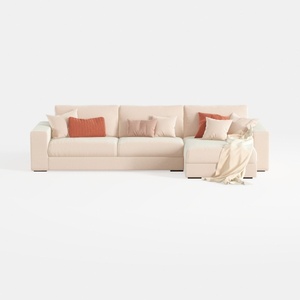
Minimalist Beige Fabric L Shaped Sectional Sofa 3D Model
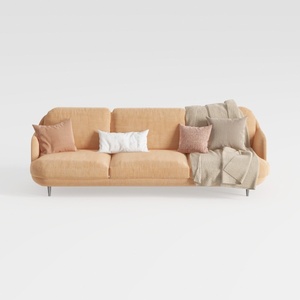

Modern Minimalist Peach Fabric Sofa with Throw Pillows and Blanket 3D Model

Modern Oak Linen Fabric Sofa 3D Model
Homestyler is your go-to online platform for home design. With its user-friendly design tool, stunning 3D renderings, and a plethora of design projects and video tutorials, you can easily create and visualize your dream space. Transform your ideas into reality today!
Design Now for FREE
































