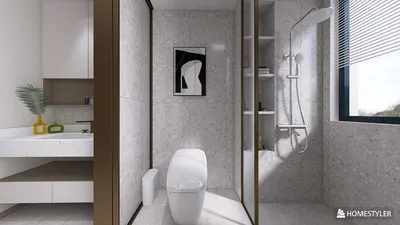


Marble wall tiles infuse a sense of understated luxury into the living room, balancing timeless elegance with modern aesthetics. My preference leans towards stones that exude a calming presence in daylight and radiate warmth under evening illumination, which I combine with furnishings and textures that soften the inherent gravity of the material. Besides visual appeal, a living room must be functional—ensuring good acoustics, ergonomic seating, adequate lighting, and durable surfaces to accommodate daily activities. When selected and detailed with care, marble effectively achieves this balance, and for easy design visualization, I recommend using a platform like Homestyler.
Aesthetics and functionality go hand in hand. According to WELL v2 standards, managing glare and achieving balanced illumination are essential for visual comfort, with recommendations suggesting task lighting levels between 300–500 lux for typical home activities. For lounge areas, my target is a soft ambient light of 200–300 lux with warm lighting at 2700–3000K, enhancing the marble without creating harsh reflections. Color psychology, as noted by Verywell Mind, indicates that softer neutral tones can help decrease visual fatigue; the pale veining of marble contributes to a soothing color palette conducive to relaxation and socializing.
Acoustic quality is often overlooked in design. Research from Steelcase connects acoustic comfort to well-being and concentration, revealing that untreated marble's reflective surface can amplify brightness and sound. The solution is straightforward: incorporate sound-absorbing elements—aim for rug coverage of 40–60%, opt for upholstered furniture with dense padding, and utilize linen or wool curtains. This combination effectively reduces sound reverberation while maintaining the clarity of the stone’s appearance.
Selecting the Ideal Marble for Living Rooms
I begin by considering the room's purpose: whether it will facilitate conversation, contemplation, or entertainment. Calacatta and Statuario marbles deliver a crisp, gallery-like vibe, while Carrara offers gentle movement that complements warm wooden furnishings. Darker varieties such as Nero Marquina can create intimate spaces when paired with soft, warm lighting. If the layout will include media elements, I usually avoid high-contrast veining near the screen wall to minimize visual distractions.
Tile Size, Layout Patterns, and Joint Considerations
Using large-format tiles (24x48 inches or larger) minimizes grout lines and enhances spatial perception, especially in rooms with ceilings over 9 feet. In smaller living spaces, mid-format tiles (12x24 inches) help establish a calmer rhythm while minimizing waste around openings. I align the joints with architectural features—such as door headers and mantel heights—to preserve visual coherence. As plans develop, I employ a layout tool within Homestyler to visualize tile arrangements, check electrical outlet placements, and avoid awkward cuts at edges.
Lighting Considerations: Color Temperature, Glare, and Depth
Marble thrives under layered lighting. I incorporate indirect cove lighting for enhancing the ceiling height, wall grazing to highlight delicate veins, and table lamps for inviting illumination. Following WELL v2 guidelines for visual comfort, I ensure that direct light remains below eye level in seating areas and specify diffusers for overhead lights. Warmer bulbs (2700–3000K) create a welcoming atmosphere, while cooler lights (3500–4000K) may diminish the stone’s appeal in the evening. In spaces with abundant daylight, I recommend low-reflectance finishes opposite the marble wall to mitigate glare.
Ergonomics and Spatial Considerations with a Marble Feature Wall
The proportions are crucial. A marble feature wall exhibits its best effect when it constitutes 40–60% of the primary sightline, allowing adjacent surfaces to remain in matte finishes for a calming effect. I position seating so that the ideal viewing distance to the feature wall stays between 8 and 12 feet, ensuring legibility of details without overwhelming the space. For media areas, I prefer to mount the center at eye level from the main seating position, typically around 42–48 inches based on sofa height, and integrate cable management before the tiles go in to eliminate obtrusive cutouts.
Acoustic Comfort while Maintaining Sophistication
Given marble's reflective qualities, the room's acoustics need proper calibration. I choose plush rugs (0.5 to 0.75 inches pile), upholstered pieces, and sound-absorbing drapes with at least a 0.3 NRC rating in key areas. Bookshelves and textured art can also serve as effective sound diffusers. For open-plan living and dining arrangements, introducing vertical niches or timber slats within large marble expanses can help scatter sound while maintaining a unified visual narrative.
Material Choices, Finishes, and Care
The choice of finish is just as crucial as the type of marble. Honed marble provides a subtle sheen and reduces glare, whereas polished marble enhances reflectivity and requires more vigilance regarding stains. For living spaces, I generally prefer honed finishes on larger surfaces and save polished details for smaller elements like mantels. Sealants should be breathable and refreshed according to the manufacturer's recommendations, typically every 12–24 months depending on use and cleaning frequency. Using neutral pH cleaners and keeping microfiber cloths available is essential for maintaining the finish.
Sustainability and Ethical Sourcing
With its durability, marble can be a sustainable option when sourced carefully. I emphasize the importance of quarry provenance, extraction methods, and lifecycle details from suppliers. Pairing this stone with low-VOC adhesives and grouts preserves indoor air quality. For renovation tasks, reusing offcuts as shelves or side tables can create a cohesive design story while minimizing waste.
Color Psychology and Styling
Marble serves as a quiet protagonist when paired with tactile materials—bouclé, wool, wood, and unlacquered brass fittings. Insights from Verywell Mind's color psychology suggest selecting warm neutrals to alleviate stress and enhance comfort, prompting me to incorporate earthy textiles and subtle metals to balance the coolness of gray-veined marbles. For darker palettes, introducing warm accent lighting and natural fibers avoids a visually oppressive atmosphere.
Living Room Trends for 2024–2025 Featuring Marble
The emerging trend showcases softer, monolithic stone surfaces equipped with hidden storage, integrated lighting tracks, and sleek media shelves formed from matching slabs. This aesthetic is serene yet architectural, and practical. Layered textures such as limewash on adjacent walls, wide-plank oak flooring, and wool rugs introduce warmth. The hardware is minimalistic, allowing the stone's narrative to dominate the space.
Installation Insights: Edges, Transitions, and Safety
Sharp edges are crucial. I request mitered corners for niche exposures and continuous vein patterns across joints wherever feasible. When transitioning to painted surfaces, I prefer slender shadow gaps (3–6mm) over bulky trims for a refined, gallery-like appearance. It’s essential to confirm outlet locations, low-voltage wiring, and TV mounting support before the tile installation begins to avoid future complications and achieve an uninterrupted marble look.
Planning Layouts and Visualization Tools
When layout requirements shift—like added niches or altered furniture arrangements—using visual simulators can prevent costly design errors. An interior layout application such as Homestyler aids in testing furniture scale, lighting locations, and tile configurations in situ. I verify sightlines from all seating spots and ensure that prominent stone veins do not clash with electrical outlets or grille openings.
Maintenance, Cleaning, and Daily Living with Marble
Marble should feel inviting and functional. Spills are a part of life; thus, prompt blotting and the use of coasters on high-traffic surfaces near the wall (like mantel shelves or media units) is essential. Regular dusting is necessary, along with monthly cleanings with a neutral pH product, and resealing based on schedule. If small chips occur, professional filling is feasible; hairline cracks may require a specialist to prevent further damage.
Frequently Asked Questions
Honed finishes diminish glare and resist fingerprints, making them perfect for expansive wall applications. In contrast, polished finishes can be striking for smaller accents but necessitate more rigorous upkeep.
Utilize layered lighting with diffusers, maintain ambient light levels of around 200–300 lux in lounge settings, and avoid positioning strong downlights directly within the viewer's line of sight according to WELL v2 visual comfort criteria.
Marble's reflective surface influences sound. Balance it through rugs, upholstered seating options, curtains, and bookshelves. Aim for 40-60% soft surface coverage in key seating areas to effectively control reverberation.
Absolutely, especially with honed finishes, quality sealants, and proper maintenance. Avoid acidic cleaners, address spills quickly, and consider protective ledges in high-contact areas.
Creams, beiges, and soft gold-veined stones impart warmth. Pairing gray-veined marbles with warm lighting (2700–3000K) and textured textiles can offset their cooler undertones.
Plan the installation of wiring and support before tiling. Position the TV center around 42–48 inches from the ground depending on seating, and minimize high-contrast veining around the screen to lessen visual distraction.
The longevity and potential for reuse make marble a practical choice. Opt for responsibly sourced stone, low-VOC adhesives, and consider repurposing offcuts into shelves or plinths to reduce waste.
Using closely matched grout helps maintain a seamless appearance; slightly darker grout may highlight the rhythm within mid-format tiles. Keep joint widths tight (generally 2–3mm) for exquisite detailing.
Regular dusting with a microfiber cloth, monthly cleaning with a neutral pH cleaner, and resealing every 12-24 months in line with manufacturer advice are vital for upkeep. Steer clear of acidic agents and abrasive cleaning tools.
Utilizing large-format tiles minimizes joints, creating a smooth, uninterrupted look, particularly in higher ceilings. Although installation can be complex, the overall effect is significantly elevated.


Homestyler is your go-to online platform for home design! With its user-friendly design tool, stunning 3D renderings, and a wealth of DIY video tutorials, you can effortlessly create and visualize your dream spaces. Transform your interior design ideas into reality today!
تصميم الآن مجانا
































