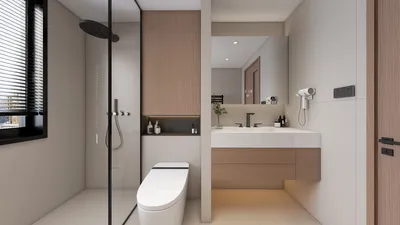


Islamic wall art introduces a serene order, deep respect, and a visual cadence that enhances a living room's atmosphere. When thoughtfully selected—taking into account scale, proportion, lighting, and materials—it can serve as a grounding element, embodying cultural values and heritage. In my designs, strategically positioned calligraphy or geometric patterns soothe the viewer's gaze and subtly direct movement within the space, acting like a visual guide.
Research indicates that well-designed lighting and composition within an environment significantly enhance comfort and focus. The WELL Building Standard v2 emphasizes glare management and uniform illumination as key criteria for visual comfort; optimal task areas typically perform best when illuminated to levels between 300–500 lux with controlled contrast, while accent light can be adjusted for artwork (source: v2.wellcertified.com). Additionally, studies by Steelcase link restorative and meaningful surroundings to increased wellbeing and engagement, emphasizing the impact of emotionally resonant decor (source: steelcase.com/research). These concepts translate beautifully into the living room, where art and light influence daily moods and behavior.
Design Intent: The Central Role of Calligraphy
Arabic calligraphy—whether it’s Qur’anic verses, duas, or traditional phrases—serves as a stunning focal point on a feature wall. Choosing larger pieces (approximately 60–90 cm wide for medium-sized rooms) provides presence without overwhelming the space, while a triptych can soften the visual weight across a broader area. Maintaining a clear typographic hierarchy ensures legibility from a typical seating distance of 2.4–3.0 meters. Color choices are crucial: deep indigo and charcoal impart seriousness; warm neutrals and soft gold leaf evoke a sense of comfort; while a monochromatic black-on-white scheme lends a sleek, modern aesthetic.
Geometric Patterns and Spatial Harmony
The use of Islamic geometry, including girih and star tessellations, contributes to visual rhythm and spatial equilibrium. Repetitive motifs promote tranquility in lively rooms, creating a harmonious backdrop for family activities. Opt for mid-scale patterns to minimize visual fatigue. Place geometric designs behind sofas or tables to frame seating areas; ensure clear sightlines from main seating to the focal wall so the pattern can be appreciated as a cohesive element. To experiment with different arrangements before committing, utilize a space planning tool for room design visualization.
Material Choices: From Canvas to Metal
Canvas prints are affordable and easy to update, while wooden panels add warmth and texture; consider using FSC-certified hardwoods and low-VOC finishes to enhance indoor air quality. Laser-cut metals like brass and powder-coated steel provide sharp lines and a glowing finish that complements contemporary spaces. For eco-friendly options, choose long-lasting materials and artisanal techniques that endure daily use, thereby reducing waste and the need for replacements.
Understanding Color Psychology and Cultural Context
Colors significantly influence emotional atmosphere. Blues often represent calmness and trust, while soft greens symbolize renewal and balance—qualities that are particularly valued in spiritual environments. A color psychology overview from Verywell Mind highlights that cooler shades generally foster relaxation, whereas warmer colors promote sociability (verywellmind.com/color-psychology). Adjust the color palette of your living room according to natural light: spaces facing north may benefit from warmer accents, while sun-soaked areas can incorporate deeper blues and charcoals without feeling oppressive.
Illuminating Artwork: Lux Levels, Glare, and Layering
Artwork requires a thoughtful combination of light layers: ambient, accent, and task lighting. Aim for ambient levels of 150–300 lux in living rooms, with art illumination set to 1.5–3 times the general lighting to create delightful contrast. Use warm-white lamps of 2700–3000K to maintain a cozy atmosphere for calligraphic art and gold finishes. Manage glare with shielded fixtures or wall washers; using dimmers is essential to adapt the lighting for gatherings, prayer, or quiet evenings. Follow IES guidelines for visual comfort and consistency when positioning directional lights.
Considerations for Scale, Proportion, and Eye-Level Positioning
Position the center of the artwork approximately 145–155 cm from the floor for optimal viewing comfort when seated. In family rooms, where occupants tend to sit more, align the artwork with the height of the primary sofa. For groupings of multiple pieces, maintain uniform spacing (usually 5–8 cm) and keep the bases of frames aligned. Avoid placing heavy visual elements above low surfaces, as this can lead to an imbalance in perceived weight.
Enhancing Acoustic and Tactile Comfort
Hard surfaces can cause living rooms to sound bright. Incorporating textured wall art—such as wooden reliefs, fabric-covered frames, or layered panels—effectively minimizes echo and softens the acoustic environment. Pairing wall art with wool rugs and upholstered furnishings can help maintain a balanced soundscape, facilitating quieter conversations and preserving the meditative quality of spiritual texts.
Displaying Content with Respect and Care
When displaying Qur’anic verses, it's crucial to maintain a respectful placement—steering clear of regions near direct heat sources or low-level areas. Ensure that the surrounding space is tidy and consider establishing a dedicated accent wall to minimize visual distractions. In open-plan homes, position these pieces away from high-traffic areas to ensure protection and reverence.
Integrating Tradition into Contemporary Living
Combine calligraphy with subtle geometric designs for added depth or contrast metal scripts against a limewash wall for a softer effect. Utilizing low-profile frames or floating mounts can enhance the modern appeal. If arranging furniture around a focal art wall, an interior layout planner can clarify pathways, clearance areas, and visual lines using a layout simulation tool.
Placement Techniques for Varied Room Sizes
For small living spaces (under 12 m²): select a single medium focal piece and keep other surfaces unobtrusive. Medium-sized rooms (12–25 m²): aim for a balanced gallery that includes one calligraphic anchor and two to four geometric pieces. Larger spaces (25+ m²): oversized panels or a collection of multiple works can fill the scale; ensure even lighting throughout the installation to avoid glare.
Maintenance, Longevity, and Everyday Use
Dust frames and metal displays with a soft microfiber fabric; avoid using harsh cleaners on goldleaf or painted surfaces. Implement archival mats and UV-filter glazing for pieces exposed to sunlight. If humidity varies, prioritize stable materials like aluminum composite or treated hardwood to prevent warping and ensure durability.
FAQ
Q1: What dimensions should Islamic wall art be when placed above a standard sofa?
A1: For a sofa measuring between 180–220 cm, an artwork width of 60–90 cm is aesthetically pleasing for a singular focus piece. For galleries, aim for a total width about two-thirds of the sofa's length and position the center around 145–155 cm above the floor.
Q2: Which lighting color temperature is ideal for calligraphy and gold accents?
A2: A warm-white range of 2700–3000K maintains warmth and enhances gold or brass highlights. Combine ambient lighting at 150–300 lux with accent lighting at 1.5–3 times the intensity to ensure gentle focus without glare, aligning with WELL v2 standards on visual comfort.
Q3: How do I choose colors that are both calming and vibrant?
A3: Opt for cool tones—like blues and greens—for tranquility, then introduce warmth through metallic accents or soft beige. Referencing research from Verywell Mind reveals that cooler colors help lower excitement levels and foster relaxation.
Q4: Is geometric art too overwhelming for smaller rooms?
A4: Utilize mid-scale, low-contrast geometric designs to maintain visual rhythm without causing distraction. Position patterns behind seating rather than in busy sightlines to avert fatigue.
Q5: What materials are the most durable for homes with families?
A5: Powder-coated metal, sealed hardwoods, and UV-printed aluminum composite are robust choices. Select low-VOC finishes and archival framing techniques to ensure both air quality and the artwork’s longevity.
Q6: How can wall art enhance sound quality?
A6: Textured panels, fabric-backed structures, and layered art pieces introduce sound absorption. Combine these features with rugs and soft seating to stabilize sound reflections, facilitating clearer conversations and enriching the overall calmness of the space.
Q7: How can I display Qur’anic verses with respect in an open-plan design?
A7: Avoid positioning artwork near heat sources, place it at a height above eye level, and isolate it from cluttered areas. A designated accent wall paired with controlled lighting will maintain an atmosphere of respect.
Q8: What is the best method for planning placements before installation?
A8: Assess sightlines from seating and entrances, test scale with paper models, and employ a room layout tool to visualize clearances and alignments. This helps prevent mistakes and achieves a harmonious arrangement.
Q9: Can Islamic wall art fit into minimalist design schemes?
A9: Indeed, select monochrome calligraphy, sleek frames, and restrained geometric patterns. Keep the color scheme tight—black, white, and brass allow negative space to enhance the design.
Q10: What can I do to reduce glare from glossy frames or metals?
A10: Use matte glazing, indirect lighting solutions, and shielded fixtures to minimize glare. Dimming options are beneficial to adjust brightness for different times of the day.
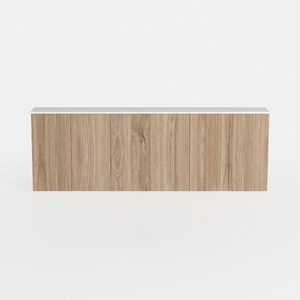
Fluted Sideboard Buffet Cabinet with Storage,
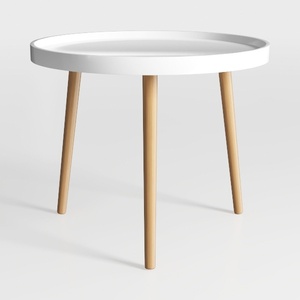
danpinera Round Side Table, Metal Legged Accent
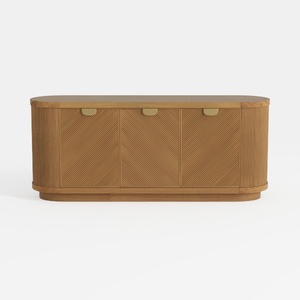
Meridian Furniture 77054Natural Everson Collection
Homestyler is your ultimate companion for home design! This user-friendly platform features an intuitive online design tool and stunning 3D renderings, allowing you to visualize your ideas effortlessly. Explore numerous design projects and follow DIY video tutorials to transform your space with confidence.
Design Now for FREE
































