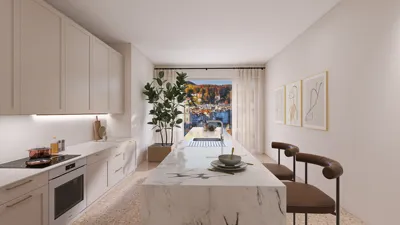


Incorporating decorative artificial plants can swiftly enhance the ambiance of a living room—there’s no need for a watering schedule, seasonal replacements, or related worries. When arranged thoughtfully, faux greenery can evoke the serene visuals of nature that many homeowners desire. In my design work, I’ve noticed how living rooms can become instantly more inviting by artfully placing realistic-looking botanicals on shelves, tables, and corners, especially when using a design tool like Homestyler to visualize arrangements.
The benefits extend beyond mere appearance. Engaging with nature-inspired elements can significantly enhance well-being and comfort levels. According to research from Steelcase, having access to natural elements and biophilic design can lead to better moods and increased engagement within built environments. The WELL v2 standard also highlights biophilia as an effective approach to improve comfort and restorative experiences, especially in settings where natural elements are less accessible. For situations where live plants are impractical, either due to insufficient light or allergies, high-quality artificial plants can serve as an effective, low-maintenance visual anchor.
Select Realistic Materials and Forms
The distinction between authentic-looking and artificial-looking faux greenery often hinges on the quality of materials and botanical realism. Seek out silk, high-grade PU, or latex materials that feature varied leaf patterns and soft matte finishes (as high gloss typically appears less natural). Mixing different leaf types and sizes—such as combining a fiddle-leaf fig with cascading pothos or asparagus fern—effectively reflects the layering found in nature. I suggest aiming for a balance where upright plants constitute about 60% and cascading varieties 40% to maintain a lively, dynamic appearance.
Color Psychology: Calming Greens and Energizing Accents
The color green is linked to stability and renewal; muted, soft greens can ground a living space, while deeper shades like forest green bring elegance. Warm undertones (such as olive and sage) complement wood and leather, while cooler tones (like emerald and eucalyptus) work effectively with stone and gray textiles. Introducing a hint of burgundy leaves or variegated plants can invigorate the palette without overwhelming the space.
The Importance of Lighting: Placement for Authenticity
Artificial plants can still benefit significantly from correct lighting. When illumination is below 300 to 500 lux, foliage may appear lackluster; aim for a combination of ambient lighting around 300 to 500 lux alongside localized lighting of 700 to 1000 lux to enhance leaf texture. Maintain a color temperature between 2700 to 3000K to replicate warm daylight found in residential settings and use diffusers to soften strong shadows and minimize glare. For taller plants, opt for side lighting instead of direct illumination from above to create realistic shadow effects.
Ergonomics and Traffic Flow
Plants should support comfort and not hinder movement. Ensure clear circulation paths of at least 800 to 900 mm around seating arrangements. Avoid placing spiky or stiff leaves near seating where they might snag clothing. In family areas, position taller faux greenery behind couches or in lower-traffic corners; utilize low-profile arrangements on coffee tables to preserve sightlines and promote easy conversations.
Styling Techniques: Establishing Visual Rhythm
Balance is essential. Position a large statement plant (around 1.5 to 1.8 m high) in a corner to delineate the seating area. Layer medium plants (60 to 90 cm) on shelves or next to a media unit, and incorporate small tabletop botanicals (15 to 30 cm) for added texture. Grouping plants in height clusters—two medium and one small—creates visual interest, avoiding the flat look of a uniform line of identical pots.
Choosing Containers, Stands, and Finishes
The selection of planters plays a crucial role. Matte ceramic or fiberstone options tend to appear more genuine compared to shiny plastic alternatives. Use stands to elevate plants above radiators or baseboards, and select neutral finishes that harmonize with other room materials. A black powder-coated stand can mirror metallic accents in lighting, while a warm terracotta pot complements rugs and wooden furniture.
Low-Maintenance, High-Impact Routine
Even artificial plants require some upkeep, but significantly less than live options. Regularly dust leaves with a microfiber cloth and use compressed air for intricate fronds. Changing the positions of plants each season can refresh views and prevent stagnation. Should a plant fade, consider replacing it or repositioning it away from strong UV rays near south-facing windows for longevity.
Acoustic and Comfort Aspects
Soft foliage and varied arrangements can help absorb some sound reflections in open spaces, complementing existing rugs and upholstered seating. Position plants near hard surfaces like bare walls or glass to help soften sound. While they aren’t a substitute for true acoustic solutions, this layering contributes to a more pleasant living environment.
Sustainable Selections
Focus on durable and repairable designs rather than disposable decorative items. Opt for faux plants with removable stems and sturdy bases so they can be updated as needed. Choosing planters made from recycled materials or long-lasting ceramics can reduce waste. Investing in a small collection of high-quality pieces that last for years is a more sustainable approach than frequently replacing lower-quality decorations.
Living Room Layout Ideas
• For small apartments: Utilize a tall, slender plant to draw the eye upward, along with two small trailing pieces on shelves. Keep the floor space clear to support movement.
• In open-plan living areas: Arrange plants to subtly define the seating zone—an anchor plant behind the sofa, paired medium plants on the console, and a tabletop botanical close to the reading chair.
• For darker rooms: Select deep green, matte foliage and prioritize accent lighting; avoid overly variegated leaves that may look muddled in low light conditions.
• In minimalist spaces: Limit the selection to two plant species and repeat them for a cohesive look.
Planning and Visualizing Before Purchase
Sketch the layout of your living room and pre-arrange the sizes of plants to assess balance. Using a simple interior design planner can assist in projecting sightlines and traffic patterns without making costly purchases based on guesswork. When mapping out where to place plants, consider utilizing a design tool like Homestyler that allows you to visualize arrangements and gauge spacing effectively.
Quick Design Checklist
• Strive for a combination of tall anchor plants, medium fillers, and small accent pieces.
• Keep color temperature warm (2700-3000K) and implement layered lighting.
• Ensure clear circulation paths and avoid blocking views.
• Select matte, textured containers that synergize with your materials.
• Dust on a monthly basis; rotate arrangements seasonally to maintain freshness.
Frequently Asked Questions (FAQ)
Q1: How many artificial plants should I incorporate in a standard living room?
A: Begin with one tall anchor plant, two medium ones, and two to three smaller accents. Adjust quantities based on the size of the space and furniture density—if seating is limited, decrease tabletop plants to ensure clear lines of sight.
Q2: Which lighting conditions make faux plants appear most realistic?
A: Aim for warm light (2700–3000K) with ambient lighting of 300–500 lux and accent lighting of 700–1000 lux. Side lighting enhances the texture of the leaves, creating a natural appearance of shadows.
Q3: How can I prevent a cluttered appearance?
A: Utilize small clusters with varied heights while maintaining space around focal points. Keep walking paths clear (800–900 mm) to avoid overcrowding coffee tables.
Q4: Which materials tend to look the most lifelike?
A: Silk and high-quality PU foliage featuring matte finishes, intricate veining, and subtle color variations. Pair these with ceramic or fiberstone planters for an elevated realistic effect.
Q5: Can artificial plants aid in sound absorption?
A: Indeed, strategically placed foliage can help dampen high-frequency sounds, particularly near hard surfaces. Combining these plants with rugs and upholstered pieces can create noticeable comfort in the space.
Q6: Do faux plants offer any health advantages compared to live ones?
A: While artificial plants lack the ability to purify air, they still provide biophilic visual elements that enhance comfort and mood. Research from Steelcase underscores the significance of nature references in environments where direct access is limited.
Q7: What maintenance is required for artificial plants?
A: Simply dust them monthly with a microfiber cloth, use compressed air for delicate fronds, and prevent prolonged exposure to direct sunlight to minimize fading. Rotate their positions with the seasons.
Q8: How should I approach a very dark living room?
A: Opt for rich, matte greens and enhance with strong accent lighting. Beware of highly variegated leaves in low light settings as they can create visual confusion.
Q9: How can I merge plants into a minimalist décor?
A: Restrict the variety to two species and replicate them. Utilize simple, matte containers and keep plant arrangements linear and uncluttered.
Q10: Any recommendations for small living spaces?
A: Look upwards with one tall, slender plant and complement with two small plants for shelves. Maintain open floor space and incorporate wall-mounted lighting to free up surfaces.


Homestyler is your go-to online home design platform! With its user-friendly design tool, stunning 3D renderings, and a variety of inspiring design projects and video tutorials, you can effortlessly transform your space and unleash your creativity—no design experience needed!
立即免费设计
































