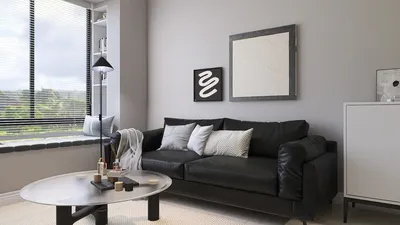


I regard study environments as intricate ecosystems, where every visual element can influence concentration, mood, and endurance. Wall art goes beyond mere decoration—it serves as subtle stimuli that shape our focus, motivation, and sense of organization.
My approach to poster selection is grounded in two key pieces of evidence. Firstly, color psychology suggests a strong correlation between hues and emotions; insights from Verywell Mind indicate that blue fosters tranquility and concentration, while green promotes balance and rejuvenation—both ideal for prolonged studying. Secondly, extensive workspace research demonstrates that environmental cues can significantly impact performance; studies by Steelcase link visual organization and conducive surroundings to enhanced cognitive engagement and task endurance. These insights guide my decisions regarding the color schemes, dimensions, and placements of posters.
Themes for Posters that Enhance Concentration
Motivational typography should be used sparingly. A single large typographic poster with a concise, impactful message positioned directly across from your desk can serve as a focal point without creating visual clutter. Choosing abstract geometric patterns in muted blues, soft greens, or warm neutrals can provide a rhythmic backdrop that complements the text on your workspace. For those who benefit from structured information, posters featuring subject-specific diagrams—such as the periodic table, world maps, or grammar trees—can serve dual purposes as both references and decorative elements. It’s best to limit the color palette to two or three hues to create a unified visual experience that minimizes cognitive distractions.
Understanding Color Psychology: Effective Palettes
I prefer cooler tones such as blue (representing calmness), soft greens (for restoration), and gentle off-whites (which diffuse brightness). While vibrant reds can energize, they might also elevate arousal levels—therefore, it is wise to use red accents sparingly. According to the color psychology insights from Verywell Mind, cooler shades typically enhance focus, while warm colors can inject a measure of motivation when used judiciously. Combining cool base tones with a warm accent can maintain engagement without leading to overstimulation.
Dimensions, Framing, and Proportional Balance
When selecting poster sizes, consider the sightlines and dimensions of your wall. For desks measuring 120 to 160 cm in width, use a single poster of 50×70 cm or a pair of 30×40 cm frames to achieve visual symmetry. Consistent margins and frame styles—like a 5-8 cm mat board and a slim black or oak frame—contribute to visual harmony. Strive for a visual composition ratio of 60–30–10: 60% of the wall's focal area should be occupied by a main poster or grid, 30% by secondary pieces, and 10% by smaller items like badges or postcards. This strategy helps prevent a chaotic appearance while allowing room for personal touches.
Lighting Considerations Supported by Evidence
Excess glare can be detrimental to both posters and focus. The IES standards highlight the importance of proper illuminance and glare management; hence, I utilize non-glare acrylic or matte glass to ensure legibility under typical task area lighting of 300–500 lux. It’s advisable to avoid placing glossy posters directly opposite windows or bright desk lamps, opting instead to slightly angle frames or employ matte finishes to minimize reflections. Additionally, align the tones of your posters with appropriate light temperatures; a neutral-white light at approximately 3500-4000K is ideal for study environments.
Sound Considerations and Visual Calm
Thin paper posters can flutter and produce noise near air vents. To mitigate this, opt for framed posters, textile art prints, or cork-backed boards that absorb sound. The aim is to create a visually calming wall that also acts as a sound-dampening surface; even a fabric poster can help alleviate mid-high frequency noise. Avoid placing busy collage-style clusters in the sightline of your desk; instead, keep them on side walls to protect your focus.
Strategic Layout: Zones for Concentration, Reference, and Inspiration
I categorize wall spaces into three distinct areas: focus (directly in front), reference (to the side for easy viewing), and inspiration (behind or beside seating). The focus area should feature one dominant poster for clarity. The reference wall can host charts, timelines, or calendars, while the inspiration zone is perfect for showcasing art prints, travel photos, or personal achievements. If you plan to arrange furnishings and wall positions in tandem, utilizing an interior layout planner such as an effective room layout tool can aid in visualizing sightlines and appropriate poster sizes tailored to your space.
utilizing a room layout tool
Sustainable Material Choices
Select archival-quality paper (acid-free, 200–300 gsm) to prevent yellowing from study lamps. Recycled paper options with matte finishes can help reduce glare and lower environmental impact. Choosing frames made from FSC-certified wood or recycled aluminum ensures alignment with sustainability principles. For a tactile variety, consider fabric posters or canvas prints in muted textures to avoid glare and add warmth to the space.
Personalization Without Overcrowding
Incorporate a narrow rail or magnetic strip to display rotating mini-prints—whether they are quotes, weekly goals, or sketches. This approach allows for the main composition to remain stable while enabling small updates. Limit visible notes to the reference zone; integrating them into the focus area could lead to visual chaos. Maintain consistent margins around your posters (typically 8–12 cm from edges or neighboring frames) to ensure visual breathing space.
Optimal Placement Height and Ergonomics
For seated study positions, ensure that poster centerlines are set at a height of 120–135 cm from the floor based on chair height, thereby placing critical content within a natural line of sight. For areas designed for standing review (like next to whiteboards), adjust height to around 140–150 cm. By reducing the need for head tilting and eye strain, you can keep cognitive resources focused on studying rather than repositioning to view visuals.
Combining Creativity with Structure
Consider creating an arrangement featuring a triad: one typographic anchor, one abstract geometric piece, and one subject-specific diagram. Ensure bold but minimal typographic strokes, low-contrast geometric patterns, and crisp labeling for diagrams. An alternative combination could involve monochrome photography (depicting architecture or nature), one map print, and a color swatch poster—use the color palette from the swatch to bring coherence to desktop accessories.
Tailoring Content to Diverse Study Styles
Analytical learners often benefit from structured charts and process-focused posters (like Kanban boards or study timelines). Visual learners may be drawn to abstract designs and color-coded maps. Language learners tend to favor phonetic charts, verb trees, and examples of styled typography. It’s beneficial to align poster content with your primary study style while including a representation of the alternate style to enhance cognitive processing.
Maintaining and Refreshing Your Space
Regularly dust frames every month, check for any warping, and refresh inspirational materials on a quarterly basis to maintain relevance. If motivation wanes, consider swapping out a single poster rather than overhauling the entire wall—small changes can refresh the environment while preserving familiarity.
The Role of Research in Design Choices
While decisions about posters might seem minor, they have cumulative effects. Guidance from WELL v2 emphasizes environments that bolster mental health and performance; practically, this translates to harmonizing controlled lighting, balanced color schemes, acoustic comfort, and visual organization. Research from Steelcase reiterates the importance of well-curated visual spaces in sustaining focus and engagement. I utilize these foundational principles to avoid over-decorating and to keep wall displays purposeful.
Frequently Asked Questions
Cool color palettes, specifically muted blues and soft greens, foster tranquility and prolonged concentration. Introducing warm accents judiciously can invoke motivation without overwhelming the senses.
Typically, one significant piece or a duo of medium-sized frames is effective. Aim for a composition ratio of 60–30–10 to prevent clutter.
Matte finishes help reduce glare at 3500–4000K lighting, ensuring legibility from various angles.
Yes, they can be effective if concise and well-situated. A clearly articulated message on the focus wall serves as a steady cue without competing with study materials.
Position them on a side wall within your peripheral view. This helps maintain a visually quiet area in front and lessens cognitive load.
Consider using 30×40 cm frames arranged in a tight grid with consistent spacing. Larger individual pieces could overwhelm narrower walls.
Framed prints, textile posters, or cork-backed boards enhance mild sound absorption; they complement the existing acoustic treatments rather than replace them.
Set your ambient lighting to about 300–500 lux with a neutral-white color temperature. Opt for non-glare coverings and avoid direct reflections from lamps on glossy prints.
Centerlines should be approximately 120–135 cm from the floor to align with the typical seated eye level, minimizing neck strain.
Quarterly updates for inspirational materials keep the environment lively; retain stability by keeping reference posters constant for familiarity.
Looking to transform your home? Homestyler offers a user-friendly online design tool that allows you to visualize your ideas in stunning 3D renderings. With a wealth of inspiring design projects and helpful DIY video tutorials, it’s perfect for anyone wanting to create their dream space effortlessly!
تصميم الآن مجانا
































