

In a past project, I persuaded a client that adorning the wall of their cozy Normandy cottage’s breakfast nook with a tree mural would enhance the space by making it appear larger. However, I misjudged the scale, painting the trunk too broad, which inadvertently overshadowed the antique chair. This experience served as a valuable reminder about the importance of scale and restraint in design. To help visualize your layout effectively, I recommend starting with a simple sketch and testing it on one wall first.
1. Scaled tree murals for intimate spaces
Small spaces, like alcoves, are perfect for a singular painted tree. Adopting tall and slim trunks draws the eye upward, creating an illusion of higher ceilings. I prefer utilizing a muted color palette (like soft gray, warm beige, or sage) so the mural deepens the space without being distracting; the benefit is that it instantly adds drama on a modest budget, but caution is advised as it may look busy if combined with patterned upholstery.
save pin
2. Trompe-l'œil windows accompanied by branches
On one occasion, I created a faux window featuring painted branches in a dim corridor during a Normandy renovation. The trick lies in integrating soft shadows and a distant horizon, which effectively enhances the sense of depth. The advantage is that no structural modifications are needed, bringing an immense charm to the space; however, be aware that it requires precise shading or else the illusion may falter, so consider dedicating a couple of hours to practice or hiring a professional.
save pin
3. Tree stencils expertly concealing storage
On kitchen doors and shallow cabinets, I often apply stenciled foliage over the pulls and seams to create an integrated pattern. For clients aiming for a practical yet charming design, I suggest stenciling after cabinet installation and finishing with a robust topcoat. These petite murals pair surprisingly well with organized shelving, and when it comes to counters, I frequently advise clients with kitchen flow insights during the placement process.
save pin
4. Tree motifs painted on doors and trims
Doors serve as vertical canvases without encroaching on floor space: envision a sapling painted on a pantry door or a slender branch running along trim. The benefit is a striking effect at a minimal cost; however, wear and tear can be an issue—applying semi-gloss paint in high-traffic areas is advisable, along with anticipating occasional touch-ups.
save pin
5. Mini murals paired with lighting for added depth
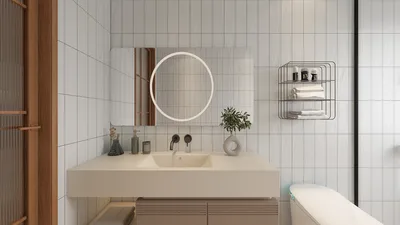
In petite bathrooms modeled after Normandy style, I often combine a quarter-wall tree mural with a narrow ledge and uplighting. This soft illumination enhances the flat paint, making the foliage appear more three-dimensional. If you prefer to prototype your ideas quickly, I sometimes create simulated renderings to experiment with color and intensity—using AI design tools can expedite decision-making, although keep in mind that real paint often looks slightly different under natural light.
save pin
FAQ
Q1: What type of paints are optimal for murals in damp cottage environments?
Acrylic latex with a mildew-resistant additive and a satin or semi-gloss finish works excellently; it is resilient and easy to maintain.
Q2: How do I determine the appropriate scale for my mural?
Take measurements of eye lines and significant furniture; tall, narrow trunks suit lower ceilings, while broader canopies require more wall space. I like to sketch full-sized outlines using kraft paper before finalizing my design.
Q3: Can tree motifs contribute to increased resale value?
Well-executed and tastefully done murals can enhance the character of historic cottages, but opt for neutral tones to attract potential buyers who may favor subtlety.
Q4: Is using stencils quicker than freehand for intricate leaves?
Absolutely—stencils provide consistency and save time, especially when applied to cabinetry. Freehand offers a more organic effect but requires more skill.
Q5: Are there environmentally friendly paint options available for these designs?
Low-VOC and water-based paints are readily available and suitable for murals; they minimize odors and are safer for smaller rooms.
Q6: How can I safeguard murals in areas prone to high traffic?
Applying a durable clear topcoat and steering clear of placing the mural directly behind chairs or doors that frequently hit the wall is crucial; expect to perform touch-ups every few years in busy locations.
Q7: Where can I find reliable resources on historic Normandy interiors?
For authoritative and detailed guidance on period interiors and finishes, I suggest exploring Historic England (https://historicengland.org.uk), which offers comprehensive insight regarding traditional materials and conservation techniques.
Q8: Can I visualize mural concepts before starting the painting?
Certainly—simple paper templates, projections, or digital mockups can assist in the process. For quick digital evaluations, many clients leverage online design case studies and renderers to preview the scale and color options.
save pin
Discover your creative potential with Homestyler! This user-friendly online platform offers an intuitive design tool, stunning 3D renderings, and a wealth of inspiring design projects. Plus, with DIY video tutorials at your fingertips, transforming your home has never been easier or more enjoyable!
지금 무료로 디자인하세요
































