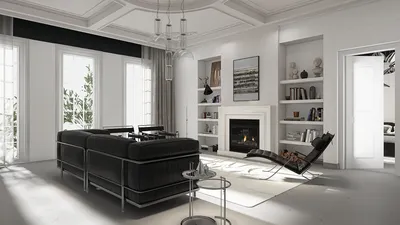


In my experience, I once installed a series of puck lights beneath floating shelves and overlooked hiding the transformer — my client humorously termed it a "constellation of mistakes". This minor oversight taught me an important lesson: lighting should be treated like an accessory; it needs to enhance the space without overwhelming it. In particularly small areas, effective accent lighting can significantly alter the ambiance, perception of depth, and how spacious the room feels.
1. Wall Grazing to Reveal Texture
I enjoy employing wall grazing techniques to showcase textured surfaces like plaster or brick — this method allows light to skim the surface, creating a sense of depth without adding visual clutter. The key advantage is achieving a strikingly dramatic effect with minimal fixtures; however, the challenge lies in positioning the fixtures closely to the wall and reducing glare. For budget-friendly installations, narrow-beam LED wall washers work wonderfully and can be discreetly placed near ceilings, making them an ideal choice for tools like Homestyler.
save pin
2. Picture and Shelf Spotlights
My preferred tools for adding a personal touch to a small living space are picture lights and small adjustable spotlights. These fixtures highlight art and decor items, transforming them into focal points that draw attention away from any awkward areas. However, careful consideration of brightness is essential to prevent artwork from appearing washed out; using dimmers or low-CRI warm LEDs can quickly address this issue.
save pin
3. Cove Lighting for a Float Effect
Cove lighting installed discreetly behind ceiling edges or under cabinetry can create an illusion of floating elements, enhancing the perception of room size. I utilized this strategy in a compact kitchen, giving the cabinets a higher and airier appearance. While this method requires thoughtful planning during initial construction or careful retrofitting, ribbon LEDs are a cost-effective and slim alternative suitable for most cove designs.
save pin
4. Accent Lighting for Nooks and Shelves
Using miniature LED strips or puck lights in alcoves can transform a mundane shelf into a stylish display — for instance, I once turned a shoe nook into a mini-gallery with just a few strips. This approach is budget-friendly and straightforward, although wiring can be tricky in cramped areas; battery-operated options are excellent for those renting their homes.
save pin
5. Color and Tunable White for Mood
Incorporating tunable white and subtle color accents allows for rapid shifts in atmosphere, transitioning from bright task lighting to a cozy ambiance in mere moments. I suggested tunable fixtures to a family seeking a versatile lamp for homework, movie nights, and dining experiences — it truly changed the game. The downside includes a slightly higher initial investment and the necessity to align color temperatures across different fixtures.
If you want to visualize potential lighting placements, consider using a room planner like Homestyler to map out positions and assess sightlines before making any modifications.
save pin
FAQ
Q: What distinguishes accent lighting from task lighting?
A: Accent lighting is designed to highlight particular objects or architectural features, while task lighting is intended to illuminate areas for performing activities. Accent lighting focuses on creating drama, whereas task lighting serves a practical function.
Q: How many accent lights are ideal for a small room?
A: Typically, 2 to 4 well-placed accent fixtures will suffice — one or two to illuminate art or textured walls, and one to highlight a shelf or alcove. It’s essential to ensure that the fixtures remain proportionate to both the objects and the scale of the room.
Q: What beam angle is optimal for accent lighting?
A: Narrow beams ranging from 15 to 30 degrees work best for targeting art, while wider beams from 30 to 60 degrees are better suited for illuminating shelves and textured surfaces. Adjustable fixtures add versatility to your lighting setup.
Q: Should accent lights be warm or cool?
A: Generally, warmer temperatures (2700-3000K) enhance most materials and complement skin tones; cooler temperatures can be effective in contemporary galleries or to make whites pop. Tunable white options provide the flexibility to switch between both styles.
Q: Is it possible to add accent lighting without needing to rewire?
A: Absolutely — you can utilize battery-operated puck lights, plug-in LED strips, and wireless fixtures for easy retrofitting, perfect for renters. For a neater appearance, consider low-voltage plugs or surface-mounted channels.
Q: How can I minimize glare with accent lights?
A: To prevent glare, utilize shields, adjustable heads, and lower-lumen options, and position your fixtures outside direct sightlines. Incorporating dimmers can be a straightforward solution for overly bright highlights.
Q: Are smart accent lights a worthy investment?
A: Smart fixtures offer scene control and color tuning, which is particularly useful in multi-functional spaces. Although they tend to be pricier, they can replace several single-purpose lamps, making them a worthwhile addition.
Q: Where can I find professional assistance for creating lighting plans?
A: For reliable standards and design recommendations, it would be beneficial to consult the Illuminating Engineering Society (IES) publications, available at ies.org, which provides widely accepted guidelines for efficient lighting design.
save pin

Modern Globe Pendant Light Mid Century Opal Glass

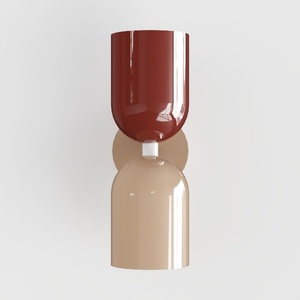
CLAXY Modern Gold Bathroom Vanity Milky Glass Wall
Homestyler is your go-to online home design platform, perfect for bringing your creative visions to life. With its user-friendly design tool, stunning 3D renderings, and an abundance of inspiring video tutorials, you can easily create and visualize your dream spaces, making home design fun and accessible for everyone!
지금 무료로 디자인하세요
































