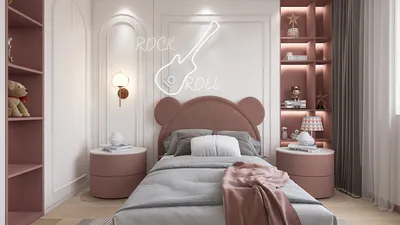


A wood-paneled wall introduces an inviting warmth, unique texture, and structural integrity that painted gypsum can seldom replicate. My methodology merges practical carpentry techniques with foundational principles of interior design—such as light, color, acoustic properties, and user experience—ensuring the wall not only enhances aesthetics but also elevates the overall ambiance and functionality of the room, especially when using tools like Homestyler for planning.
Design decisions gain strength from quantifiable outcomes. The WELL v2 standard emphasizes that glare reduction and balanced illumination significantly enhance visual comfort, while the IES suggests target lux levels of approximately 300–500 for living spaces, helping to mitigate eye strain while accentuating textures without overwhelming brightness. Research from Steelcase indicates that environments that facilitate concentration and acoustic management link to elevated productivity perceptions, highlighting the significance of a wood feature wall that minimizes reflections and clarifies spatial purpose.
The psychology of color influences our experiences in measurable ways: Coverage from Verywell Mind reveals that warm, natural tones are often connected to feelings of comfort and tranquility. This aligns with the amber and walnut shades that clients typically prefer for living and sleeping areas. I complement this with task lighting calibrated between 2700K-3000K for cozy evenings, and 3500K-4000K in multifunction spaces to sustain alertness without being harsh on the eyes.
Plan the Layout and Proportions
Proportion plays a crucial role. I initiate the process by mapping panels according to key sightlines—such as the centerline of a sofa, the width of a bed headboard, or the axis of a dining table—ensuring consistent reveal widths (often 6–12 mm) between boards to create a sharp visual rhythm. If you're experimenting with furniture arrangements or TV mounting heights, an interior layout planner like Homestyler can assist in visualizing sightlines, traffic patterns, and appropriate panel widths relative to the wall length.
From a visual standpoint, consider breaking long walls into thirds: segment them into 3 or 5 vertical parts to prevent dullness. For rooms with low ceilings, vertical paneling directs the eye upward; on the other hand, horizontal boards are advantageous in spaces with high ceilings as they provide an illusion of spaciousness. Ensure the panel field balances with nearby solid elements—curtains, bookshelves, or plaster surfaces—to avoid creating a completely wood-encased appearance unless acoustical properties necessitate it.
Select Materials With Intent
Opt for sustainably sourced solid wood or engineered alternatives such as plywood or MDF featuring wood veneer. Solid oak or ash provide longevity and character, while walnut contributes depth and elegance. Engineered panels offer stability and cost-effectiveness, particularly beneficial for expansive designs. Whenever possible, choose FSC-certified materials. For moisture-prone environments, steer clear of untreated MDF; instead, select marine plywood or treated hardwood.
Thickness is pivotal. Panels measuring between 12-18 mm feel robust and are less likely to warp. Should you wish to conceal cable runs for sconces or TVs, consider creating a shallow service cavity using 18-25 mm battens; this keeps wiring accessible and reduces the need for post-installation chasing of plaster.
Acoustic Comfort and Backing Strategy
Wood is effective in absorbing and diffusing mid-to-high frequency sounds far better than painted drywall. For enhanced acoustic comfort, install panels on timber battens measuring 18-25 mm with a 10-20 mm air gap; incorporating mineral wool (30-50 mm) behind these will substantially reduce reverberation, proving beneficial in living rooms and media areas. Using perforated or slatted panels backed with black acoustic fabric also yields an elegant aesthetic while managing echo.
Finish and Color Psychology
The finish transforms the visual impact. A matte clear oil allows the grain to be visible and soft, while satin polyurethane offers increased durability in high-traffic areas. Should the room require a touch of brightness, consider blonde oak with a subtle finish; alternatively, for a cozier feel, tobacco-stained ash or walnut can create a grounded ambiance. According to findings from Verywell Mind, warm browns and natural wood tones enhance comfort and friendliness—ideal traits for social or restful spaces.
Align the color temperature with the finish sheen. Warmer LEDs (2700K-3000K) complement darker woods, whereas neutral white light (3500K-4000K) keeps lighter woods looking sharp. Avoid high gloss on feature walls as it can detract from the texture you aimed to achieve. Guidance from WELL recommends glare reduction strategies like the use of diffusers, indirect sconces, and dimmable drivers to maintain balanced luminosity.
Hardware, Joints, and Detailing
Sharp detailing distinguishes a professional installation. Employ tongue-and-groove or shiplap for controlled expansion and clear shadow lines. For flat panels, consistent gaps and shadowing at the edges (8-12 mm) allow the wood to appear as though it floats within the wall—this technique helps avoid unsightly transitions at baseboards and ceilings.
Fasteners should remain hidden. Utilize secret screws through the battens or clip systems. If wiring access is required, install removable panels with concealed magnets. For corners, miter or utilize a slim aluminum edge to protect the edges without adding visual bulk.
Lighting Integration
Incorporate wall washers or grazing lights positioned 200-400 mm from the panel surface to highlight texture without creating hotspots. Following IES recommendations, I aim for an ambient light level of 300-500 lux in lounges, layered with accent lighting to create a sense of depth. Installing linear LEDs in upper coves or side reveals generates gentle brightness gradients; employing dimmable drivers allows for a smooth transition from daytime-focused light to evening ambience.
Ergonomics and Human Factors
Consider how individuals will interact with the space. Behind a sofa, ensure panels are positioned sufficiently high to remain visible above the cushions; near desks, use finishes that are light and non-reflective to minimize visual strain. For TV installations, maintain a center height around 100-110 cm from the floor to suit standard seating plans and integrate cable management within the batten cavity.
Step-by-Step Build Guide
Begin by verifying that the wall is plumb and level, then use chalk lines for the placement of battens and panels. Prioritize planning reveal sizes first.
Repair and prime the wall as needed. Implement a vapor barrier if necessary. If working with slatted or perforated panels, consider painting the substrate matte black to enhance depth.
Install 18-25 mm timber battens spaced 400-600 mm apart. Ensure everything remains straight, using shims where necessary.
Route all cables, junction boxes, and backplates, testing all lighting arrangements prior to sealing the installation.
Insert mineral wool into cavities for enhanced acoustic control, particularly in media-centric environments.
Commence the installation from either the centerline or a highlighted corner. Utilize spacers to maintain consistent reveal widths. Use secret screws or clips attached to the battens.
Create shadow gaps or finish with slim trims. Miter external corners for a continuous, polished appearance.
Lightly sand and apply oil or varnish according to manufacturer guidelines. Test stains on scrap pieces to verify the color under final lighting conditions.
Install grazing or cove lights, adjusting the dimming range. Aim for balanced brightness to prevent glare.
Maintenance and Longevity
Regularly remove dust using a soft brush attachment; avoid abrasive cleaning products. Annually reapply oil for matte finishes. Sustain humidity levels between 40-60% to mitigate wood movement. For any minor dings in solid wood, light steam and spot-sanding can often restore the original appearance.
Budget and Sourcing Notes
Engineered veneer panels deliver a high-end look at a reduced cost, especially for larger applications. Reserve solid hardwood for areas with heavy wear or edges. Whenever possible, request that suppliers provide FSC certification and low-VOC finishes, promoting better indoor air quality and aligning with wellness-oriented design principles.
Design Variations
- Vertical slats combined with felt backing for a Scandinavian aesthetic.
- Wide horizontal boards to evoke a contemporary ranch vibe.
- A grid of veneered panels with fine reveals for a sleek architectural effect.
- Mixing wood species (oak and walnut) for nuanced designs, keeping the color palette consistent to minimize visual distraction.
FAQ
Aim for an ambient illumination level of 300-500 lux as per IES suggestions, supplemented by adjustable accent lighting to showcase textures without creating glare. Warmer LEDs (2700K-3000K) complement darker woods, while 3500K-4000K enhances lighter varieties—perfect for achieving a balanced light scheme.
Mount panels on battens leaving a small air gap, incorporating mineral wool behind for effective sound absorption. Slatted systems with acoustic fabric backers work remarkably well. To achieve acoustic balance, include soft furnishings and rugs in the design.
To remain stable and within budget, engineered veneer over plywood or MDF is an excellent choice. Use solid hardwood for edges, trims, and areas subject to heavy wear, where durability and reparability become priorities.
Indeed, create a service cavity using 18–25 mm battens, manage cable routing before panel installation, and design removable panels that utilize concealed magnets for easy access.
Matte oil finishes reduce fingerprints and maintain tactile grain. Satin polyurethane offers enhanced durability but may increase light reflectivity; try to balance this with diffused lighting strategies.
It can, if not carefully employed. Limit darker woods to one accent wall, incorporate vertical lines to enhance perceived height, and layer lighting to preserve the sense of openness and volume in the space.
Utilize tongue-and-groove or shiplap profiles and uphold consistent humidity (approximately 40-60%). Leave small gaps and uniform reveals to accommodate natural wood movement.
Avoid using raw MDF in damp conditions. Opt for marine-grade plywood or treated hardwood, sealing all cut edges and ensuring ventilation. In bathrooms, limit direct water contact and opt for durable, high-performance finishes.
To visually elevate the space, install panels in a vertical orientation. Maintain precise reveals and consider using lighter wood species to prevent a cramped appearance.
Utilize tunable LED lights or combine 3000K ambient lighting with task lighting in the 3500–4000K range. Dimming and layering various sources can effectively alter the mood and visual clarity throughout the day.
The WELL v2 guidelines suggest reducing glare and achieving consistent illumination. To ensure a visually comfortable environment, incorporate indirect fixtures, diffusers, and matte finishes that soften the impact of the wood wall.
Position the screen approximately 100-110 cm from the floor to fit standard seating arrangements, adjusting for viewing distance and screen dimensions as necessary.
What began as an Autodesk innovation has evolved into a design platform used by more than 18 million people around the globe. Homestyler combines powerful rendering, an intuitive editor, and a vast furniture library to help you turn inspiration into photorealistic designs — whether you're redesigning a single room or planning an entire home.
Homestyler is your go-to online platform for home design! With its user-friendly design tool, stunning 3D renderings, and a wealth of DIY video tutorials, you can effortlessly create and visualize your dream space. Perfect for both beginners and seasoned designers alike!
지금 무료로 디자인하세요
































