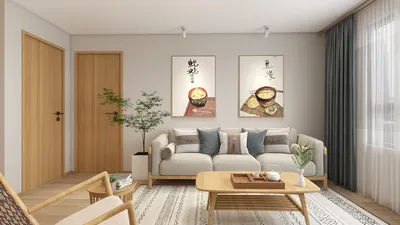


I see living room mirrors as essential multi-sensory elements that enhance lighting, give the illusion of more space, and subtly influence our movements. A well-designed mirror does more than serve as decorative art; it functions as a precise tool for redistributing daylight, creating focal points, and facilitating smooth interactions.
The placement of mirrors is crucial for optimal performance. According to WELL v2, effective access to natural light contributes to visual comfort and aligns with our circadian rhythm, something mirrors can assist with by reflecting light deeper into a room, especially when positioned across or next to windows. The Illuminating Engineering Society recommends a lighting range of 10–50 foot-candles for living spaces; strategically placed mirrors can boost lighting levels from 8 to a more adequate 20 foot-candles if set by a south-facing window, all while carefully managing angles to minimize glare (WELL v2, IES standards).
The scale of mirrors is significant. Based on my project experience, I target a mirror height of 60–72 inches to correspond with eye level, promoting a comfortable line of sight. Research by Steelcase shows that visual complexity can increase cognitive load; therefore, fragmented reflections can be mentally taxing in active living areas. Choosing smooth, expansive shapes over intricate designs helps keep the environment psychologically soothing.
Selecting the Ideal Mirror Shape
The design of a mirror reflects its purpose. A tall, arched mirror softens stark modern lines and creates the perception of higher ceilings, while circular mirrors can center energy and induce tranquility—ideal for placement over mantels or consoles. Linear, rectangular mirrors can reinforce order and complement grid-patterned bookshelves or minimalist furniture. In dynamic environments filled with diverse textures, a subtly faceted frame might be preferred over an overly detailed bevel, presenting a refined look without overwhelming visual noise.
Proportion, Sightlines, and Visual Harmony
Proportion dictates visual balance. It's essential to maintain a 2:3 or 1:2 ratio between the width of the mirror and its corresponding furniture piece—whether a console, credenza, or sofa—to prevent it from appearing disconnected or overpowering. Position the mirror so its vertical center is about 58–62 inches off the ground, the standard for gallery sightlines, which ensures comfortable viewing and avoids neck strain. If multiple focal points exist in the living room (like a fireplace, TV, or window), orient the mirror to complement a secondary view rather than compete with the main feature.
Managing Light: Brightness Without Glare
Mirrors have the capacity to amplify both light and challenges. Aim to direct reflections towards matte surfaces—such as painted walls or fabric panels—to reduce glare effects that glossy materials can cause. Keep angles between 30–45° from direct sunlight during peak hours. If evening lighting appears dull, enhance it by using layered lighting: warm ambient light at 2700–3000K, task lighting at 3000–3500K near seating, and a dimmable accent light that lightly grazes the frame, adhering to IES recommendations for ambient brightness and visual comfort.
The Psychology of Color and Framing
The colors of a mirror's frame can significantly affect mood. Warm woods, such as walnut or oak, create a deeper sense of comfort and are associated with soothing earth tones. A satin black frame introduces precision and grounds light spaces without being harsh. For calming palettes, a soft taupe or clay frame feels gentle, maintaining composed reflections. Adding gold can elevate energy, but opting for a satin finish instead of high-polish minimizes bright highlights. If the color scheme is on the cooler side, consider a subtly brushed brass to add warmth without altering the temperature.
Materials and Sustainability in Selection
Opt for low-iron glass to achieve accurate colors and reduce any green tint. Ensure a secure backing and moisture-resistant frames if the living area has exposure to humidity. Choosing FSC-certified wooden frames and recycled metal options aligns with sustainable practices; catalogs from Material ConneXion provide various alternatives for durable finishes. To extend lifespan, prioritize mirrors with replaceable backings and fittings; a mirror that can be remounted or reframed reduces the risk of premature disposal.
Behavioral Insights and Placement Strategy
The placement of mirrors can influence social dynamics. In conversational seating arrangements, reflect greenery or art instead of people directly to reduce feelings of self-awareness. In compact living spaces, placing a mirror opposite depth-creating elements—a bookshelf or layered curtains—can make the reflection appear more inviting. Near entryways, ensure there is enough room for door swings and avoid direct, immediate reflections, which might feel abrupt.
Visual and Acoustic Comfort
Large mirrors can reflect mid-to-high frequency sounds. Balance this effect with soft furnishings such as wool rugs, upholstered seating, and linen curtains, ensuring at least one soft surface is positioned opposite the mirror. Visually, avoid positioning the mirror to reflect areas of heavy traffic; consistent movement in reflections can elevate cognitive load, so aim for tranquil visuals such as plants, art, and softly illuminated walls.
Considerations for Mounting Heights and Safety
Use the correct wall anchors suitable for the structure—secure to studs for heavier mirrors and toggle anchors for drywall where studs are unavailable. Maintain the bottom edge of the mirror 6–12 inches above console furniture to prevent marks from fingers and allow for airflow around electronics. For family environments, incorporate tempered or safety-backed glass along with secure anti-tip hardware. In busy rooms, designing with rounded corners can create a safer navigation experience, minimizing collision risks.
Adjusting to Layout Changes
When planning mirror placements with rearrangements of seating or consoles, it’s advisable to visualize sightlines and potential reflections before making any permanent advancements. Utilizing a room layout tool can aid in understanding how a mirror will play off windows, patterns of movement, and key focal points without needing to make physical holes in the wall. Consider testing this interior layout planner to comprehend how reflection angles and furniture placements interact: room layout tool.
Design Trends for 2024–2025
The trend for living rooms in the coming years leans towards a gentler minimalism with rounded frames, muted metals, and natural textures. While oversized mirrors remain stylish, there’s a shift towards simplicity in detailing—think sleek profiles, arched shapes, and matte finishes. Integrated ledges beneath mirrors serve functional purposes for small items like keys or sculptures. Layering mirrors with art—pairing one larger piece with a smaller, asymmetrically placed mirror—can create a curated balance that still respects calm sightlines.
Guidelines for Practical Sizing
For mirrors positioned above consoles, aim for a width of 70–90% of the console’s width. When placing above a fireplace, ensure it remains within the width of the firebox or marginally wider if the surround is simple. Floor mirrors should be 72–80 inches tall to accommodate full-body views, while widths of 24–36 inches help maintain stability and proportion. Always account for clearance from pendant lights and ensure reflections are not directed towards bright screens.
Maintenance and Longevity Tips
Utilize non-ammonia glass cleaners to protect coatings and surrounding finishes. Microfiber cloths can help reduce swirl patterns during cleaning. Regularly check the tightness of fixtures; seasonal humidity can alter hardware security. If the frame consists of natural wood, apply a compatible oil or wax at least once a year to retain its luster and stability.
Frequently Asked Questions
Aim to have the mirror’s width between 70–90% of the console or mantle it corresponds to. This ensures visual equilibrium without overpowering the setting.
Position the mirror opposite or at a slight angle to windows to reflect soft light further into the room. Avoid glossy surfaces to minimize glare, keeping ambient lighting within the 10–50 foot-candle range as advised by IES.
Satin black or brushed brass frames can provide clarity without being too harsh, while warm wood options complement earthy interiors, enhancing the overall comfort.
Make sure to reflect serene elements—such as plants, artwork, and soft walls—while avoiding reflections from busy pathways or direct angles towards the TV, which can heighten cognitive stress.
Indeed, arched designs soften angular furniture styles and add a subtle vertical uplift, aligning with the anticipated trends of softer minimalism for 2024–2025.
Whenever possible, secure mirrors into wall studs, utilize proper toggle anchors for drywall, and ensure safety-backed or tempered glass, especially in rooms frequented by families.
Yes, mirrors can influence visual depth. Position them to reflect engaging views—like bookshelves or layered curtains—rather than plain walls, which can create a flat appearance.
Use warm lighting at 2700–3000K for the ambient glow, 3000–3500K for task-oriented lighting, and consider incorporating dimmable options to accentuate the frame. This combination enhances comfort while reducing potential glare.
Center the mirror approximately 58–62 inches off the floor to align with common sightlines; slight adjustments may be made for high ceilings or low-profile furniture.
Large mirrors can reflect higher frequency sounds. Complement this with textured rugs, upholstered seats, and curtains to maintain acoustic comfort and balance.
Use a non-ammonia cleaner and microfiber cloth for maintenance; check fasteners periodically. For natural wood frames, treat them annually with a compatible finish to maintain their aesthetic.
Absolutely. Employing a layout simulation tool can help visualize reflections and traffic flow, thus preventing errors and protecting wall integrity.

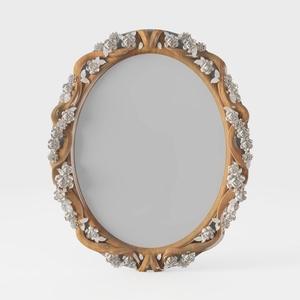

Discover your design potential with Homestyler! This user-friendly online platform offers an intuitive design tool, stunning 3D renderings, and a wealth of inspiring design projects. Plus, learn as you go with informative DIY video tutorials. Transform your space effortlessly!
Design jetzt kostenlos
































